

Russian White / Russian Black
The Russian White and Russian Black are colour variants of the Russian Blue developed in Australia in 1971 by Frances McLeod, who crossed Russian Blues with white and black domestic shorthairs to introduce these colours while maintaining the Russian body type, coat texture, and personality.
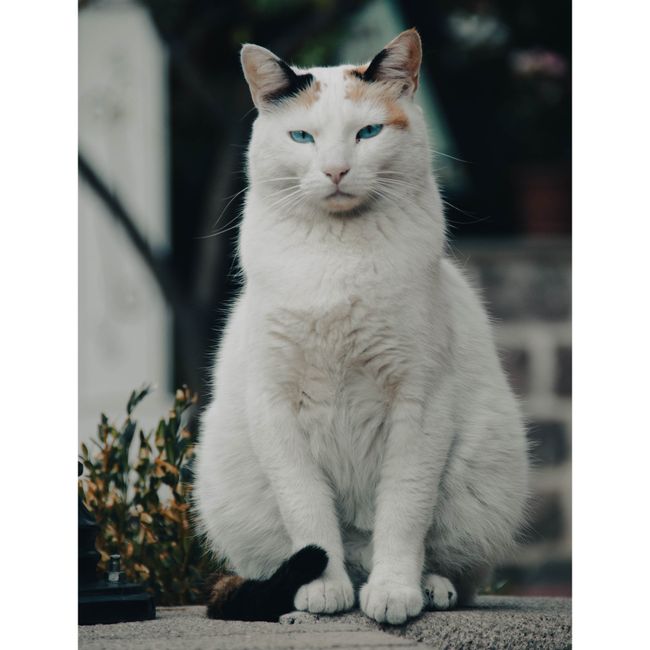
Photo: Photo by Barış Yiğit (https://www.pexels.com/@baris-yigit-239931604) on Pexels — https://www.pexels.com/photo/white-cat-in-close-up-shot-13788415/ · Pexels Licence — free for commercial use, attribution appreciated
Origin
Australia
Lifespan
15–20 years
Weight
2.5–5.5 kg (5.5–12 lbs)
Height
23–28 cm (9–11 in)
Exercise
10 to 20 min/day
Diet
Obligate carnivore — high-quality wet and dry food.
Taxonomic Hierarchy
Kingdom
Animalia
Phylum
Chordata
Class
Mammalia
Order
Carnivora
Family
Felidae
Genus
Felis
The Story
The Russian White and Russian Black are colour variants of the Russian Blue developed in Australia in 1971 by Frances McLeod, who crossed Russian Blues with white and black domestic shorthairs to introduce these colours while maintaining the Russian body type, coat texture, and personality. The white and black varieties are the most commonly recognised; some registries also accept blue (the original) and other colours together as "Russian Coloured." All carry the distinctive plush double coat, vivid green eyes, and reserved-with-strangers personality of the Russian Blue.
Also Known As
Quick Facts
Discover which pets match your lifestyle
Physical Profile
Source: pexels
Same body type as the Russian Blue — slender, elegant, long-limbed, with a distinctive wedge head and prominent whisker pads. The coat is the same plush double-layer texture as the Russian Blue, but in white (with green eyes — notably, unlike in many breeds, the Russian White gene does not cause the deafness associated with W-gene white cats) or solid black (with green eyes).
Grooming
Low
Shedding
Low
Coat Length
short
Coat Type
plush
Brushing
1x-Weekly
Bathing
Rarely
Coat Colors
Recognized By
Source: pexels
Temperament & Personality
Identical to the Russian Blue — gentle, reserved with strangers, deeply loyal to their family, quiet. They may produce lower Fel d 1 than many breeds, similar to the Russian Blue.
Personality Scores
Adaptability
4/5Attention Need
2/5Friendliness
4/5Playfulness
3/5Protectiveness
2/5Living Profile
Ideal Space
Apartment
Daily Exercise
10 to 20 min/day
Ideal Weather
5°C to 25°C
Indoor/Outdoor
Indoor-Preferred
Cognitive Benchmarks
Adaptability
40%
Attention
20%
Playfulness
30%
Communication Style
Vocal Profile
silent
Stress Signals
extreme shyness, hiding, appetite loss, over-grooming
Care & Wellness
Professional Care Protocol
- •Minimal grooming — same as Russian Blue. Same sensitivity to routine changes. Structured mealtimes.
Nutrition Notes
Australian-developed Russian Blue variants. Russian White has NO deafness risk (unlike other white cats). Very healthy.
Vaccination Schedule
Vaccination Schedule
Senior Care
Same as Russian Blue — very few issues. Russian White carries NO deafness risk (white pigment via different gene pathway). Australian development. 15-20 years.
Wellbeing Activities
Nutrition & Sustenance
Daily Calories (Adult)
350 kcal
Daily Calories (Young)
250 kcal
Recommended Foods
Foods to Avoid
Health Overview
Same profile as Russian Blue — generally very healthy with few breed-specific conditions. HCM occurs rarely. The Russian White does not carry the deafness risk of the W-gene in other white cats — the white in the Australian-developed Russian White is achieved through a different genetic mechanism.
Common Conditions
Price Estimates
Pricing Guide
Average estimates as of 2025
Russian White: NO deafness risk. Australian-developed. India: moderate climate fit.
Purchase Price
$800 to $2,000
Adoption Fee
$75 to $350
Data from 2025
Fun Facts
The Russian White is one of very few white-coated cat breeds that does not carry elevated deafness risk — the white colouration in Russian Whites was introduced through a recessive white gene rather than the dominant W gene responsible for deafness in most white cats.
The Russian White and Russian Black were developed in Australia — making them one of a small number of breeds developed in the Southern Hemisphere that has gained international recognition.


