

American Bobtail
The American Bobtail is a naturally occurring bobtail breed from the USA — developed from a random-bred bobtail kitten found on an Arizona Indian reservation in the late 1960s by John and Brenda Sanders.
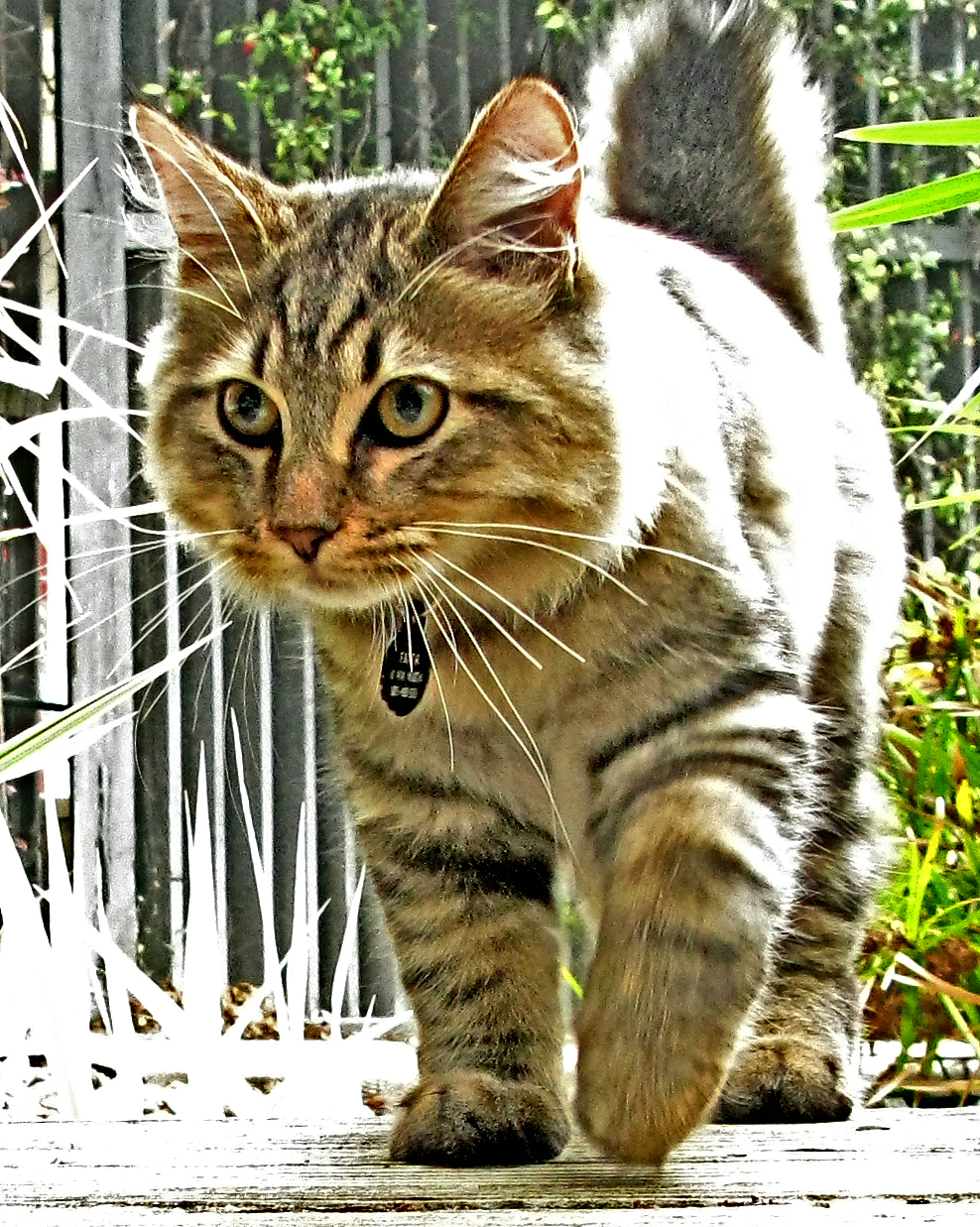
Photo: Wikimedia Commons
Origin
United States
Lifespan
13–15 years
Weight
3–7 kg (7–16 lbs)
Height
25–35 cm (10–14 in)
Exercise
10 to 20 min/day
Diet
Obligate carnivore — high-quality wet and dry food.
Taxonomic Hierarchy
Kingdom
Animalia
Phylum
Chordata
Class
Mammalia
Order
Carnivora
Family
Felidae
Genus
Felis
The Story
The American Bobtail is a naturally occurring bobtail breed from the USA — developed from a random-bred bobtail kitten found on an Arizona Indian reservation in the late 1960s by John and Brenda Sanders. The naturally short tail is caused by a dominant genetic mutation. Unlike the Japanese Bobtail (which also has a bobtail gene), the American Bobtail's gene is different and the breeds are not related. The American Bobtail is known as a dog-like companion that has been used as a therapy cat — their adaptable, calm nature and tendency to bond closely with humans makes them well-suited to therapeutic work.
Also Known As
Quick Facts
Discover which pets match your lifestyle
Physical Profile
Source: wikimedia
The American Bobtail is a moderately large, well-muscled cat with a slightly wild appearance — a broad, modified wedge-shaped head with a distinctive brow, large almond-shaped eyes, and a naturally shortened tail that is approximately one-third to one-half the length of a normal tail. Both shorthaired and longhaired varieties exist. The shaggy coat gives the cat a wild, untamed appearance.
Grooming
Moderate
Shedding
Moderate
Coat Length
medium
Coat Type
dense
Brushing
1-2x-Weekly
Bathing
Rarely
Coat Colors
Recognized By
Source: wikimedia
Temperament & Personality
American Bobtails are dog-like, adaptable, and sociable. They travel well and have been called "the golden retriever of the cat world." They form strong bonds and enjoy interactive play. They can be leash-trained.
Personality Scores
Adaptability
5/5Attention Need
3/5Friendliness
5/5Playfulness
4/5Protectiveness
2/5Living Profile
Ideal Space
Apartment
Daily Exercise
10 to 20 min/day
Ideal Weather
5°C to 28°C
Indoor/Outdoor
Indoor-Outdoor
Cognitive Benchmarks
Adaptability
50%
Attention
30%
Playfulness
40%
Communication Style
Vocal Profile
chirp-trill
Stress Signals
hiding, appetite changes, over-grooming, withdrawal
Care & Wellness
Professional Care Protocol
- •Moderate grooming — brushing 2–3 times weekly for the longhaired variety. The bobtail should be gently checked for any signs of discomfort. Interactive play daily.
Nutrition Notes
Very healthy natural bobtail. NO spinal issues (unlike Manx). Obesity possible. Moderate calorie needs.
Vaccination Schedule
Vaccination Schedule
Senior Care
Hip dysplasia (low). NO spinal problems from bobtail (different gene from Manx). Very healthy. Therapy cat potential (dog-like). 13-18 years — long-lived.
Wellbeing Activities
Nutrition & Sustenance
Daily Calories (Adult)
400 kcal
Daily Calories (Young)
280 kcal
Recommended Foods
Foods to Avoid
Health Overview
Generally a healthy breed. The bobtail gene does not carry the health risks of the Manx gene. Spinal issues can occur in extreme short-tailed individuals — avoid breeding rumpies (completely tailless). HCM.
Common Conditions
Price Estimates
Pricing Guide
Average estimates as of 2025
NO spinal issues (unlike Manx). Long-lived. Dog-like. India: moderate fit.
Purchase Price
$600 to $2,000
Adoption Fee
$50 to $350
Data from 2025
Fun Facts
American Bobtails have been used as therapy cats in prisons, hospitals, and psychiatric settings — their dog-like nature, adaptability, and calm demeanour make them exceptional therapeutic companions.
American Bobtail tails are unique to each individual — no two tails are identical in length, shape, or curl. Some tails are nearly straight; others are kinked or curved.


