

Aegean
The Aegean is one of Greece's only formally developing native cat breeds — a natural breed from the Cyclades Islands of the Aegean Sea that has lived alongside Greek island fishing communities for thousands of years.
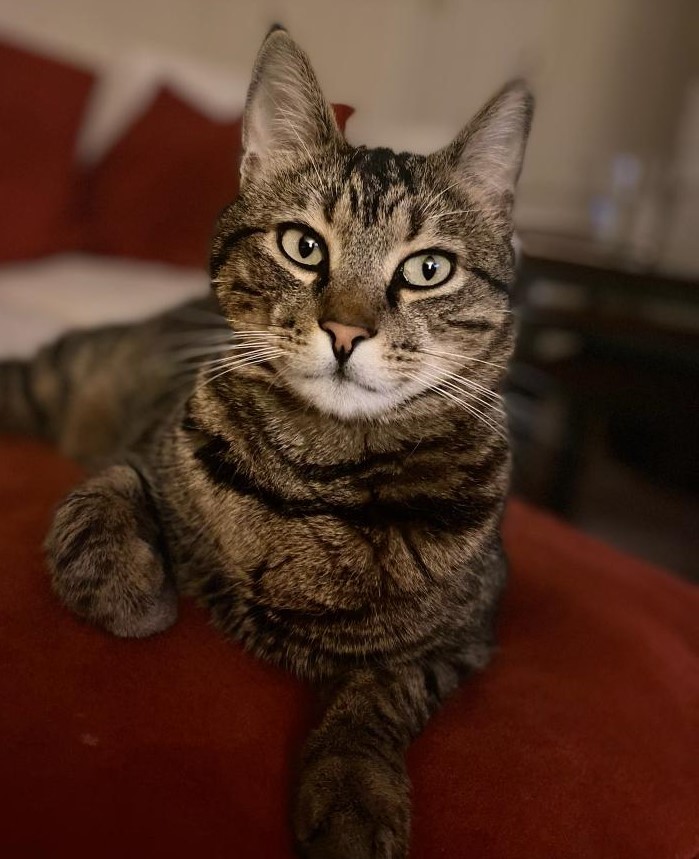
Photo: Wikimedia Commons
Origin
Greece
Lifespan
9–12 years
Weight
3–5 kg (6.5–11 lbs)
Height
23–30 cm (9–12 in)
Exercise
10 to 20 min/day
Diet
Obligate carnivore — high-quality food. Fish-based diets reflect the breed's island heritage.
Taxonomic Hierarchy
Kingdom
Animalia
Phylum
Chordata
Class
Mammalia
Order
Carnivora
Family
Felidae
Genus
Felis
The Story
The Aegean is one of Greece's only formally developing native cat breeds — a natural breed from the Cyclades Islands of the Aegean Sea that has lived alongside Greek island fishing communities for thousands of years. The cats are closely associated with fishing harbours and coastal life, and depictions of cats matching the Aegean's description appear in ancient Greek and Cycladic art. The breed is always bicolour or tricolour — white is genetically fixed in combination with one or two other colours. The breed's development as a formal breed began in Greece in the 1990s.
Also Known As
Quick Facts
Discover which pets match your lifestyle
Physical Profile
Source: wikimedia
The Aegean is a medium-sized, semi-foreign-type cat with a well-muscled, moderately lean body adapted for active coastal life. The coat is semi-long, double-layered, and naturally water-resistant. White is always present — cats are bicolour (white + one colour) or tricolour (white + two colours). The eyes are almond-shaped in any shade from green to blue.
Grooming
Low
Shedding
Moderate
Coat Length
short
Coat Type
smooth
Brushing
1x-Weekly
Bathing
Rarely
Coat Colors
Recognized By
Source: wikimedia
Temperament & Personality
Active, sociable, and people-oriented — the Aegean has been shaped by centuries of living alongside Greek fishermen and harbour communities. They are communicative and form bonds with their family. They are naturally more active and independent than purely indoor breeds.
Personality Scores
Adaptability
5/5Attention Need
2/5Friendliness
4/5Playfulness
4/5Protectiveness
2/5Living Profile
Ideal Space
Any
Daily Exercise
10 to 20 min/day
Ideal Weather
10°C to 35°C
Indoor/Outdoor
Indoor-Outdoor
Cognitive Benchmarks
Adaptability
50%
Attention
20%
Playfulness
40%
Communication Style
Vocal Profile
quiet
Stress Signals
hiding, withdrawal, spraying
Care & Wellness
Professional Care Protocol
- •Minimal grooming — the semi-long coat is naturally weather-resistant and low-maintenance. Active environment with climbing opportunities preferred. Regular dental care.
Nutrition Notes
Greek island natural breed. Very healthy. Always bicolour/tricolour with genetically fixed white. Few dietary restrictions.
Vaccination Schedule
Vaccination Schedule
Senior Care
Very few health issues — natural Greek island breed. HCM possible. One of the oldest natural breeds. Always bicolour/tricolour. India: excellent climate fit (Mediterranean). 9-12 years.
Wellbeing Activities
Nutrition & Sustenance
Daily Calories (Adult)
350 kcal
Daily Calories (Young)
250 kcal
Recommended Foods
Foods to Avoid
Health Overview
One of the healthiest naturally developing breeds — centuries of natural selection in the Aegean Islands have produced robust, diverse genetics. No documented breed-specific conditions. HCM may occur at low rates.
Common Conditions
Price Estimates
Pricing Guide
Average estimates as of 2025
Greek island natural breed. Affordable. India: excellent climate fit.
Purchase Price
$300 to $1,000
Adoption Fee
$25 to $200
Data from 2025
Fun Facts
The Aegean cat's ancestors appear in ancient Cycladic figurines and Greek vase paintings from the Bronze Age — these island cats have been part of Greek maritime culture for over 4,000 years.
Aegean cats are invariably associated with fishing communities in Greece — the harbour cats of the Greek islands are the Aegean's feral ancestors, and they have traditionally been valued for controlling the rodent populations around fishing boats and harbour warehouses.


