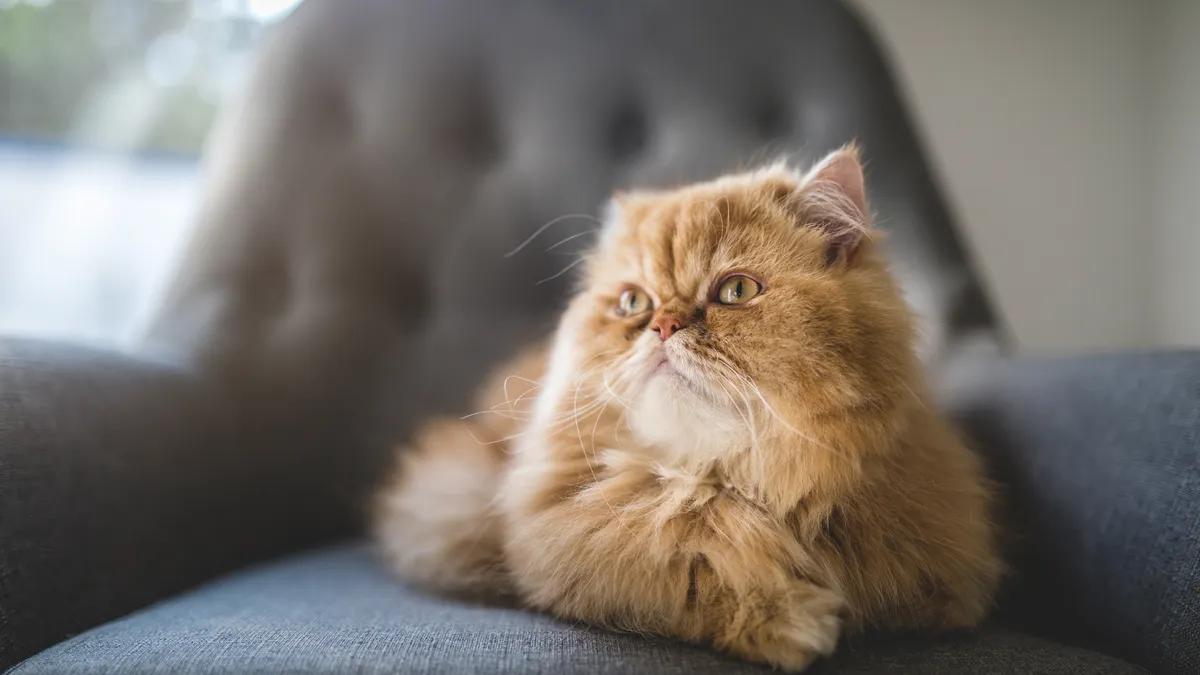

Persian
The Persian is one of the oldest and most popular cat breeds in the world — a long-haired, flat-faced, royally dignified cat that has been a symbol of luxury and elegance since at least the 1600s.

Photo: Wikimedia Commons
Origin
Iran
Lifespan
12–17 years
Weight
3–7 kg (6.5–15 lbs)
Height
25–38 cm (10–15 in)
Exercise
10 to 20 min/day
Diet
Obligate carnivore — high-quality wet food preferred (supports kidney health and hydration); flat face makes eating from shallow wide bowls easier. Avoid exclusively dry diet.
Taxonomic Hierarchy
Kingdom
Animalia
Phylum
Chordata
Class
Mammalia
Order
Carnivora
Family
Felidae
Genus
Felis
The Story
The Persian is one of the oldest and most popular cat breeds in the world — a long-haired, flat-faced, royally dignified cat that has been a symbol of luxury and elegance since at least the 1600s. Known in India and the Middle East as the Shirazi (after Shiraz, Iran), the Persian is the most popular pedigree cat in India, widely kept as a status symbol and companion. Their extraordinarily long, thick coat, flat face (brachycephalic), stocky build, and calm, gentle temperament make them one of the most recognisable breeds globally. They were among the first cats exhibited at the Crystal Palace cat show in London in 1871.
Also Known As
Quick Facts
Discover which pets match your lifestyle
Physical Profile
Source: wikimedia
The Persian has a very distinctive appearance — a large, round head with a dramatically flat face (the nose barely projects beyond the eye line in extreme modern Persians), small rounded ears set wide apart, large round copper or blue eyes, and a stocky, heavily boned body with short thick legs. The coat is extremely long, dense, and silky — it forms a dramatic ruff around the neck and full plume tail. Two types exist: the Traditional (or Doll-Face) Persian has a more moderate face; the Extreme (or Peke-Face) has the very flat face now associated with the breed.
Grooming
Very High
Shedding
High
Coat Length
long
Coat Type
silky
Brushing
Daily
Bathing
Every-4-6-Weeks
Coat Colors
Recognized By
Source: wikimedia
Temperament & Personality
Persians are calm, gentle, and undemanding — they are quintessential lap cats who prefer serene, stable environments. They are affectionate but not clingy. They do not demand attention loudly — their communication is subtle, through soft chirps and gentle nudges. They are perfectly content with indoor life and are not climbers or jumpers by inclination. They adapt well to apartment living.
Personality Scores
Adaptability
3/5Attention Need
3/5Friendliness
4/5Playfulness
2/5Protectiveness
1/5Living Profile
Ideal Space
Apartment
Daily Exercise
10 to 20 min/day
Ideal Weather
15°C to 28°C
Indoor/Outdoor
Indoor-Only
Cognitive Benchmarks
Adaptability
30%
Attention
30%
Playfulness
20%
Communication Style
Vocal Profile
quiet
Stress Signals
hiding, appetite loss, over-grooming, matted coat (stops self-grooming), urinating outside litter box
Care & Wellness
Professional Care Protocol
- •The Persian's coat requires daily brushing without exception — a single missed day can lead to tangles that quickly become mats requiring professional grooming or shaving. Professional grooming every 4–6 weeks is strongly recommended for most pet owners. The flat face requires daily wiping of the eye area (tear staining is very common) and regular cleaning of facial skin folds. Dental disease is elevated — annual dental cleaning. Shallow, wide food and water bowls accommodate the flat face.
Nutrition Notes
Brachycephalic — flat face makes eating difficult; use flat, wide bowls or plates. PKD (polycystic kidney disease) affects 36-49% of Persians — kidney-supportive diet as they age. Hairball management critical (long coat). Dental disease due to jaw malformation.
Vaccination Schedule
Vaccination Schedule
Senior Care
PKD — ultrasound screening from age 1 (DNA test available). HCM. Dental disease (overcrowded teeth due to flat face). Progressive retinal atrophy (PRA). Tear duct overflow (daily face cleaning). Ringworm susceptibility. Brachycephalic respiratory issues worsen with age. India: "Shirazi cat" — extremely popular. 12-17 years.
Wellbeing Activities
Nutrition & Sustenance
Daily Calories (Adult)
350 kcal
Daily Calories (Young)
250 kcal
Recommended Foods
Foods to Avoid
Health Overview
Polycystic kidney disease (PKD) — the most significant heritable condition in Persians, causing progressive kidney cysts; DNA test available and all responsible breeders test. Brachycephalic obstructive airway syndrome (BOAS) from the flat face causing breathing difficulties. Progressive retinal atrophy (PRA) with DNA test available. Hypertrophic cardiomyopathy (HCM). Dental malocclusion from the flat face. Tear duct abnormalities causing chronic tear staining. Ringworm susceptibility. Bladder stones.
Common Conditions
Price Estimates
Pricing Guide
Average estimates as of 2025
India's most popular cat breed (known as "Shirazi"). Wide price range: backyard breeder ₹8K vs show-quality ₹30K+. Grooming costs significant (₹1,500-3,000/month). PKD testing should be demanded from any breeder.
Purchase Price
$500 to $2,500
Adoption Fee
$50 to $300
Data from 2025
Fun Facts
The Persian is the most popular pedigree cat in India — known as the Shirazi, it has been associated with royalty and aristocracy in the subcontinent since Mughal times, when Persian cats were reportedly gifted between courts.
Mr. Bigglesworth from the Austin Powers films — famously hairless — was intended as a parody of the white Persian cat traditionally kept by Bond villains, most famously by Blofeld in the James Bond franchise.
The Traditional (Doll-Face) Persian has a face essentially identical to the breed as it existed in the 19th century — the extreme flat face is a 20th-century development that has been selected to degrees that cause significant health problems.
Persians are one of the longest-domesticated and most extensively bred cat breeds — over 100 recognised colour and pattern varieties exist, more than any other cat breed.