
Canary
The domestic canary has been bred in captivity for over 500 years — one of the earliest domesticated birds.
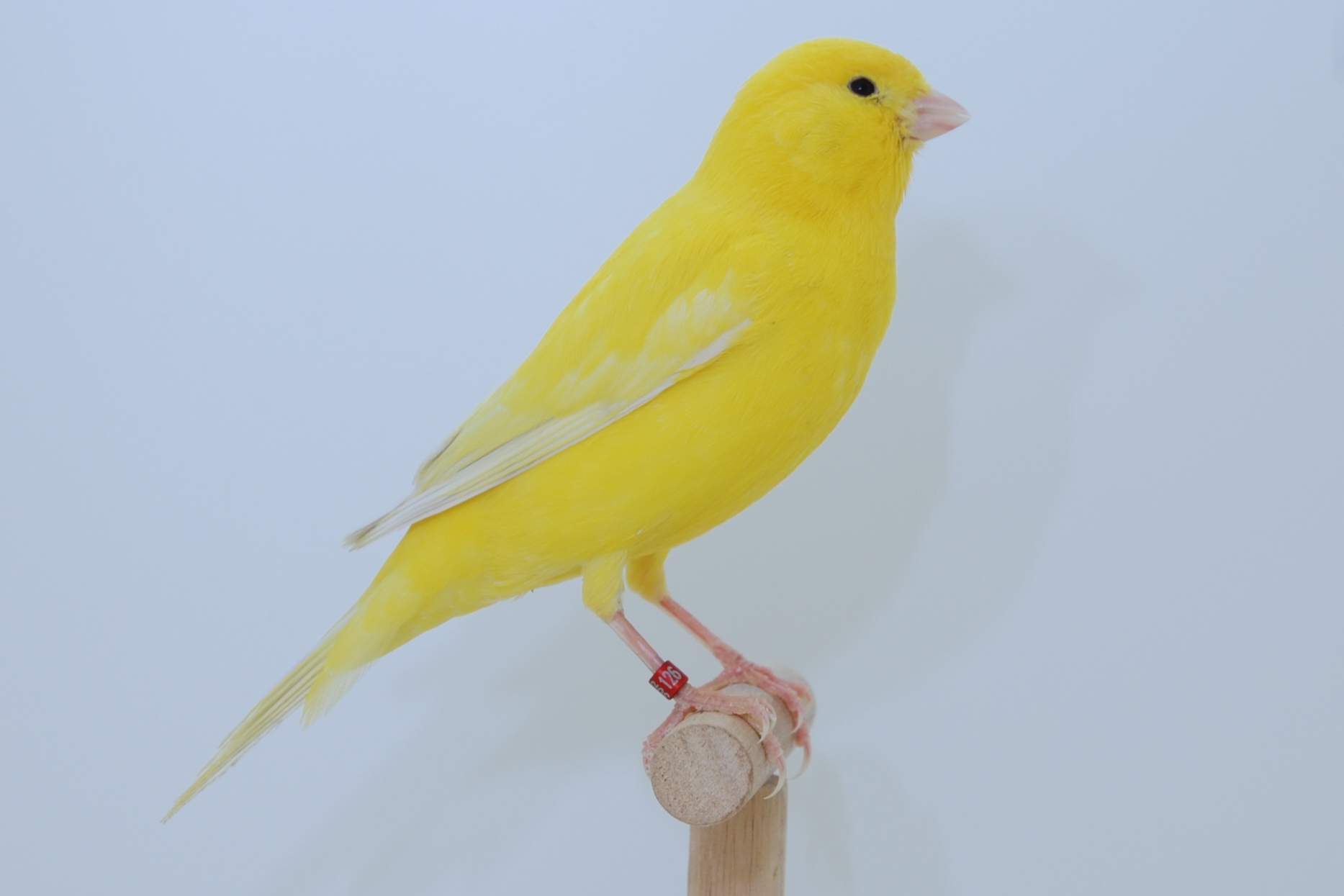
Photo: Wikimedia Commons
Origin
Spain
Lifespan
10–15 years
Weight
15–25 g
Height
12–20 cm
Diet
Herbivore/Granivore — canary seed mix, pellets, fresh greens (spinach, watercress, dandelion), occasional fruit. Egg food during breeding season. Avoid avocado, onion, fruit seeds.
Taxonomic Hierarchy
Kingdom
Animalia
Phylum
Chordata
Class
Aves
Order
Passeriformes
Family
Fringillidae
Genus
Serinus
The Story
The domestic canary has been bred in captivity for over 500 years — one of the earliest domesticated birds. Brought to Europe by Spanish sailors from the Canary Islands in the 16th century, selective breeding rapidly produced the yellow colouration that became standard. Three broad types: song canaries (bred for song), type canaries (bred for body shape), and colour canaries. The canary's song is among the most complex and beautiful of any caged bird.
Also Known As
Quick Facts
Discover which pets match your lifestyle
Physical Profile
Source: wikimedia
The classic image is a yellow bird of moderate size, but 500 years of selective breeding have produced extraordinary variety. Song canaries (Roller, Waterslager, American Singer, Timbrado) vary in size; type canaries (Yorkshire, Lizard, Frill, Gloster) have distinctive postures; colour canaries prioritise plumage colour. Red Factor canaries develop red colouration through carotenoid pigments in the diet.
Grooming
Low
Shedding
Low
Coat Colors
Recognized By
Source: wikimedia
Temperament & Personality
Observation birds rather than hands-on pets — not hand-tame and do not seek human contact. Their appeal is the song (male canaries) and visual beauty. Ideal for owners who want an aesthetically pleasing, musical companion without the demands of parrot ownership.
Living Profile
Care & Wellness
Professional Care Protocol
- •Minimum cage 60 × 40 × 40 cm per bird. Canaries kept singly or male-male pairs (one male sings more actively hearing another). Fresh water and seed daily. Fresh greens several times weekly. Annual moult in late summer — males stop singing during moult. Bath 2–3 times weekly appreciated.
Vaccination Schedule
Vaccination Schedule
Health Overview
Air sac mite (Sternostoma tracheacolum) — very common, causes clicking breath, treated with ivermectin. Canary pox (viral). Egg binding in females. Scaly face mite. Goitre from iodine deficiency.
Common Conditions
Fun Facts
Coal miners used canaries as carbon monoxide early warning systems from the 1880s until 1986 — sensitivity to the gas meant they died before concentrations reached levels dangerous to humans.
Male canaries sing their most complex songs to attract females — a well-trained Roller can produce a continuous song of up to 30 linked passages without repeating a phrase.
The Red Factor canary requires carotenoid supplements in the diet during moult to produce red feathers — without supplementation, a red canary becomes orange or yellow after the next moult.