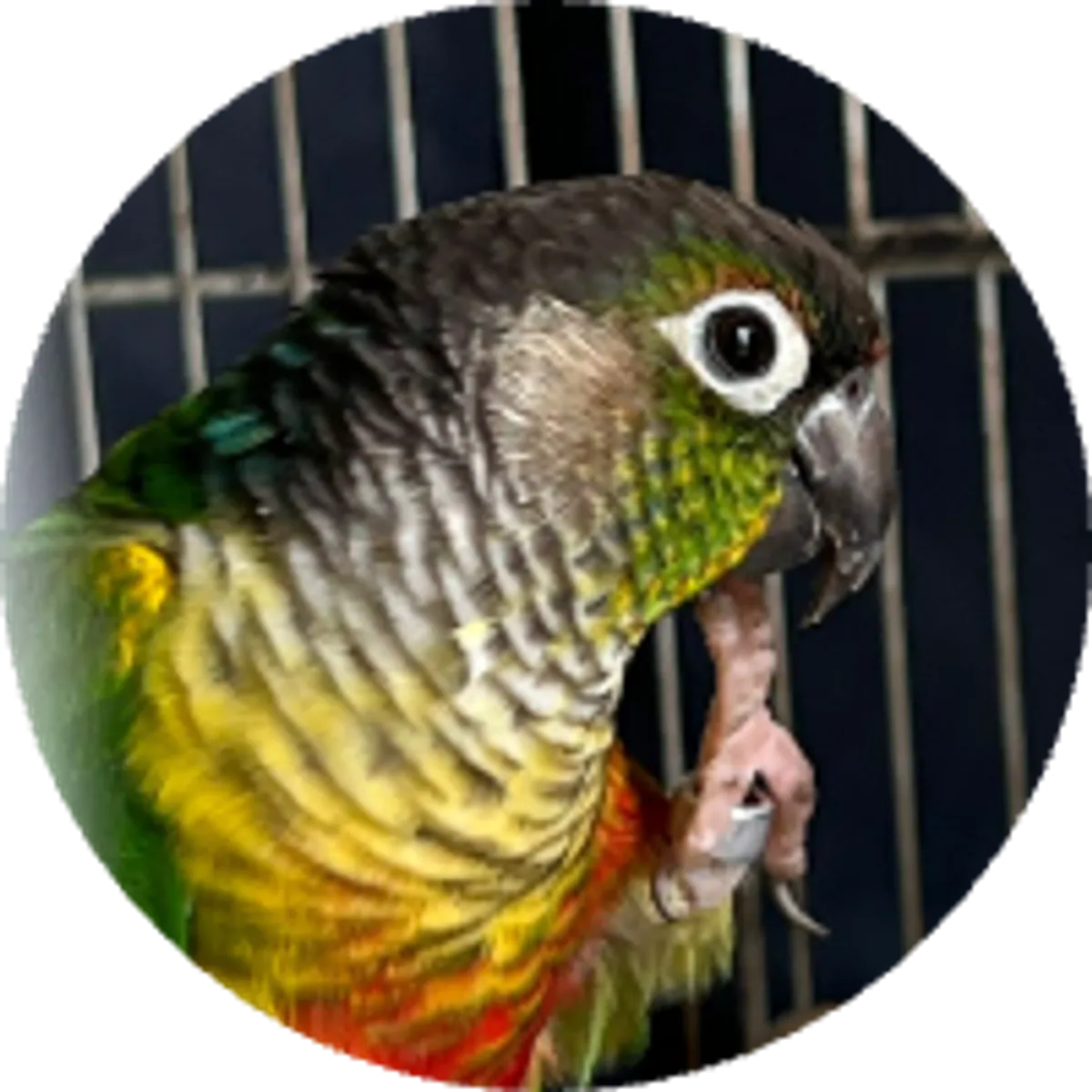

Alexandrine Parakeet
The largest Psittacula and named after Alexander the Great, who is credited with bringing the species to Europe from the Indian subcontinent.

Photo: Wikimedia Commons
Origin
India
Lifespan
25–30 years
Weight
200–260 g
Height
58–62 cm
Diet
Herbivore — pellets, fresh vegetables, fruits, seeds. Similar to Indian Ringneck but larger quantities needed.
Taxonomic Hierarchy
Kingdom
Animalia
Phylum
Chordata
Class
Aves
Order
Psittaciformes
Family
Psittaculidae
Genus
Psittacula
The Story
The largest Psittacula and named after Alexander the Great, who is credited with bringing the species to Europe from the Indian subcontinent. They are a significant step up from Indian Ringnecks in size, noise, and assertiveness. Capable of outstanding speech and tremendous intelligence when properly socialised. Their massive red beak — noticeably larger than the IRN's — is a powerful tool and an occasional liability.
Also Known As
Quick Facts
Discover which pets match your lifestyle
Physical Profile
Source: wikimedia
Large for a parakeet — 58–62 cm from beak to tail tip. Bright green body, distinctive red shoulder patch, rose-pink and black neck ring in adult males. The massive red beak is the largest in the Psittacula genus. Male also has blue-grey cheek and nape colouring.
Grooming
Low
Shedding
Low
Coat Colors
Recognized By
Source: wikimedia
Temperament & Personality
Bold, confident, and intelligent. Less tolerant of mishandling than IRNs and will bite with considerable force. Well-socialised Alexandrines are affectionate and playful with excellent talking ability. More independent than cockatoos — tolerates periods alone reasonably well.
Living Profile
Care & Wellness
Professional Care Protocol
- •Large cage minimum 90 × 60 × 90 cm. 3+ hours interaction daily. Strong toys and heavy-duty perches for the large beak. Size and noise make apartment keeping challenging.
Vaccination Schedule
Vaccination Schedule
Health Overview
Same profile as Indian Ringneck. Psittacosis. Feather plucking. PDD.
Common Conditions
Fun Facts
The Alexandrine Parakeet is named after Alexander the Great, who brought specimens from Punjab to Europe around 327 BCE — one of the first exotic animals documented transported from India to the Western world.
Feral Alexandrine populations have established in Brussels where they are considered a threat to native cavity-nesting birds.