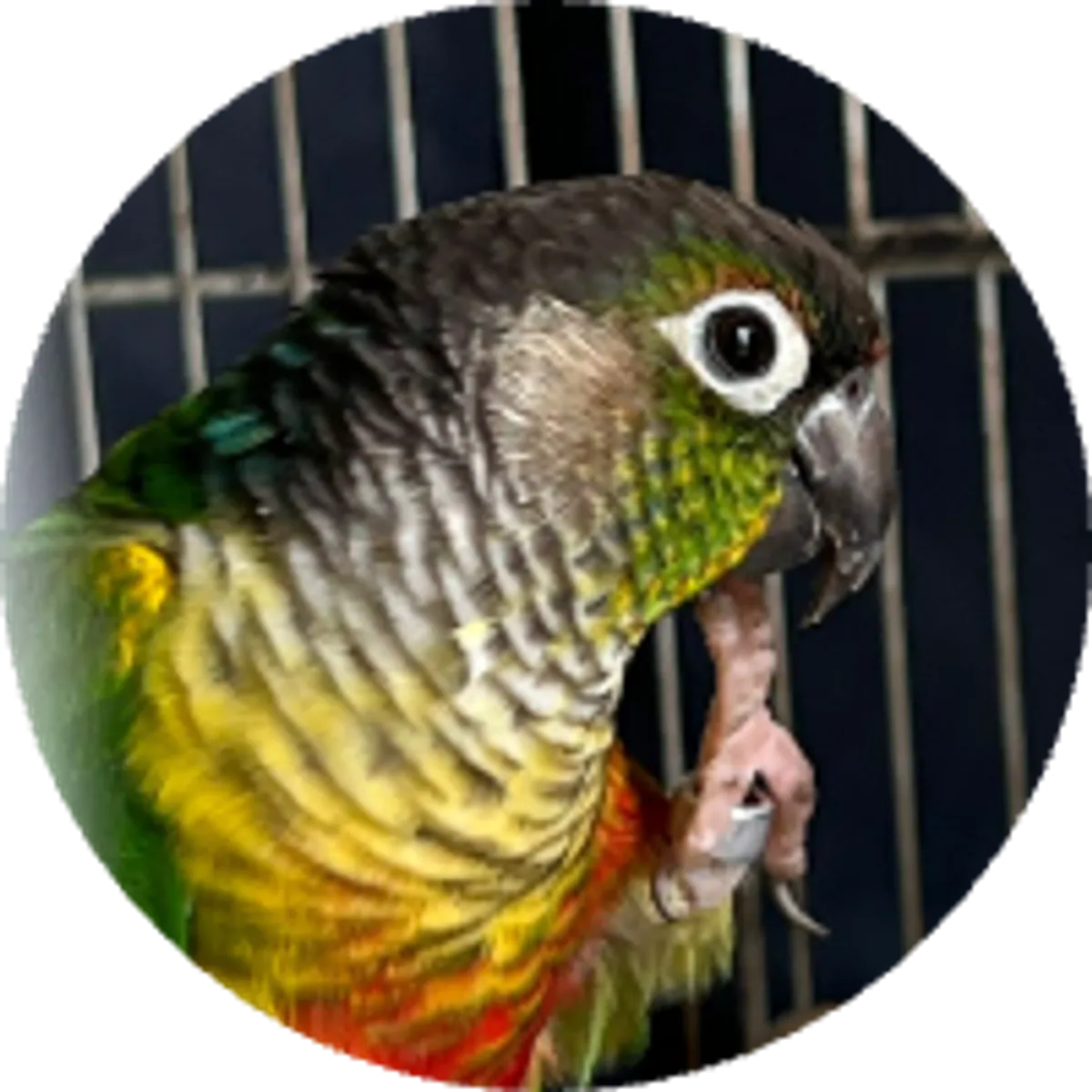

Cockatiel
The Cockatiel is the second most popular pet bird in the world and the ideal bird for first-time bird owners — combining manageable size with a gentle, affectionate temperament, a talent for whistling, and a long lifespan.

Photo: Wikimedia Commons
Origin
Australia
Lifespan
15–25 years
Weight
85–100 g
Height
30–33 cm
Diet
Herbivore — pellets (60%), fresh vegetables, seeds (20%), fruit (5–10%). Avoid avocado, onion, chocolate, caffeine.
Taxonomic Hierarchy
Kingdom
Animalia
Phylum
Chordata
Class
Aves
Order
Psittaciformes
Family
Cacatuidae
Genus
Nymphicus
The Story
The Cockatiel is the second most popular pet bird in the world and the ideal bird for first-time bird owners — combining manageable size with a gentle, affectionate temperament, a talent for whistling, and a long lifespan. Technically the smallest cockatoo (evidenced by the erectile crest), the cockatiel's crest position communicates mood precisely: flattened back = alarm; straight up = excitement; relaxed halfway = content.
Also Known As
Quick Facts
Discover which pets match your lifestyle
Physical Profile
Source: wikimedia
The wild cockatiel is grey with a yellow face, orange circular cheek patches, and a long pointed tail. Popular mutations include lutino (entirely yellow with orange cheeks), pied (patches of yellow on grey), and cinnamon (warm brown-grey). The crest, long tail, and orange cheek spots are recognisable across all colour mutations.
Grooming
Low
Shedding
Moderate
Coat Colors
Recognized By
Source: wikimedia
Temperament & Personality
Gentle, affectionate, and social. A tame cockatiel will follow its owner around, sit on their shoulder for hours, and seek petting. Males develop extensive whistled repertoires and can learn entire tunes. Generally patient with gentle children.
Living Profile
Care & Wellness
Professional Care Protocol
- •Minimum cage 60 × 60 × 90 cm. Several hours out-of-cage daily. Pellet-based diet supplemented with fresh vegetables. Cockatiels are highly social — pairs or regular owner interaction prevents depression. Their fine white powder-down can be a respiratory irritant.
Vaccination Schedule
Vaccination Schedule
Health Overview
Chronic egg laying in females. Psittacosis. Respiratory infections. Night frights (sudden nocturnal panic causing cage bar injuries) — a night light helps. Proventricular Dilatation Disease (PDD) occurs. Significant powder-down production.
Common Conditions
Fun Facts
The cockatiel's crest has approximately 6–8 distinct positions conveying different emotional states — experienced owners become fluent in crest-reading.
Cockatiels are one of the few birds that reliably learn to whistle complete tunes — champions in aviculture competitions can produce complex melodies of 10+ bars.
Wild cockatiels form flocks that fly rapidly between isolated water sources in Australia's arid interior, covering hundreds of kilometres in a day.