

Pomeranian
The Pomeranian descended from large sled-pulling Spitz dogs of the Arctic and was miniaturised over centuries into the fluffy, fox-faced companion we know today.
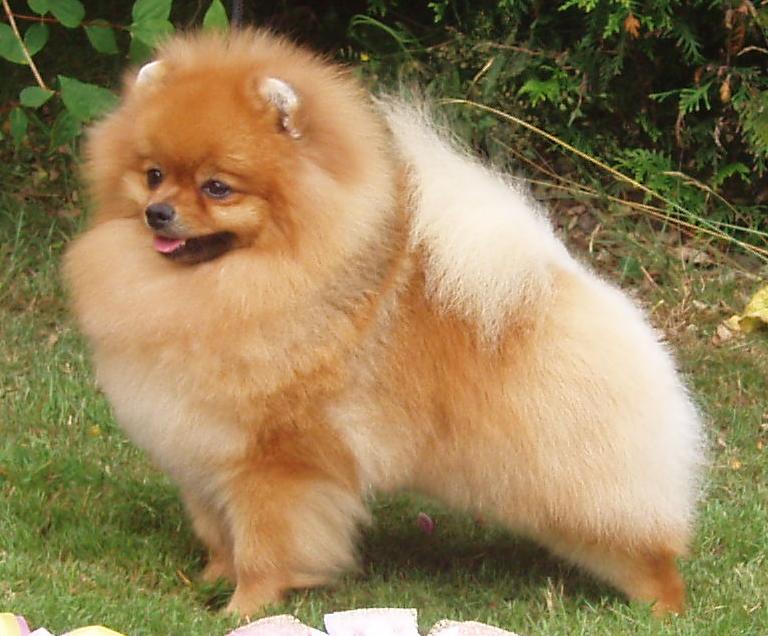
Photo: Wikimedia Commons
Origin
Germany
Lifespan
12–16 years
Weight
1.4–3.2 kg (3–7 lbs)
Height
18–30 cm (7–12 in)
Exercise
20 to 30 min/day
Diet
Omnivore — toy-breed specific kibble; weight management important despite small size
Taxonomic Hierarchy
Kingdom
Animalia
Phylum
Chordata
Class
Mammalia
Order
Carnivora
Family
Canidae
Genus
Canis
The Story
The Pomeranian descended from large sled-pulling Spitz dogs of the Arctic and was miniaturised over centuries into the fluffy, fox-faced companion we know today. Queen Victoria fell in love with a small Pomeranian named Marco while visiting Florence in 1888 and began breeding them, popularising the smaller size — before Victoria's influence, Pomeranians were twice the current size. Despite weighing under 3 kg, the Pomeranian is bold, self-assured, and intensely alert — a big personality packaged in an extraordinary cloud of fur.
Also Known As
Quick Facts
Discover which pets match your lifestyle
Physical Profile
Source: wikimedia
The Pomeranian's double coat is its most striking feature — a profuse, fluffy outer coat that stands away from the body like a halo, with a dense soft undercoat. The fox-like face has small, erect ears and bright, alert eyes. The heavily plumed tail lies flat over the back. The Pomeranian has the widest colour range of almost any breed — over a dozen recognised colour varieties.
Grooming
High
Shedding
High
Brushing
3-4x-Weekly
Bathing
Every-3-4-Weeks
Coat Colors
Recognized By
Source: wikimedia
Temperament & Personality
Pomeranians are vivacious, curious, and unaware of their small size — they will readily challenge dogs many times larger and investigate unfamiliar situations with confidence. They are intensely loyal and bond strongly with their family. Their intelligence makes them excellent in obedience and trick training when approached positively. They are naturally vocal and alert, which makes them effective watchdogs but potentially trying in apartments.
Personality Scores
Adaptability
5/5Attention Need
5/5Friendliness
3/5Playfulness
4/5Protectiveness
3/5Living Profile
Ideal Space
Apartment
Daily Exercise
20 to 30 min/day
Ideal Weather
5°C to 25°C
Cognitive Benchmarks
Adaptability
50%
Attention
50%
Playfulness
40%
Communication Style
Stress Signals
excessive barking, trembling, hiding, aggression, separation anxiety
Care & Wellness
Professional Care Protocol
- •The dramatic double coat requires brushing 2–3 times per week to prevent matting, with daily brushing during seasonal shedding. Professional grooming every 6–8 weeks maintains coat health. Teeth need daily brushing — dental disease is nearly universal. Nails grow quickly. Despite small size, Pomeranians enjoy daily walks and interactive play. They should not be jumped from heights — their tiny legs are vulnerable.
Nutrition Notes
Hypoglycaemia risk in puppies — feed 3-4 small meals. Dental disease is near-universal; dental-specific food helps. Collapsing trachea — use harness. Small stomach capacity means high-quality, calorie-dense food preferred over volume.
Vaccination Schedule
Vaccination Schedule
Senior Care
Collapsing trachea worsens with age — persistent honking cough. Luxating patella surgery often needed. Dental disease — expect significant extractions by age 8. Alopecia X (black skin disease) — hair loss patches, cosmetic but concerning. Heart disease (PDA) in some lines.
Wellbeing Activities
Nutrition & Sustenance
Daily Calories (Adult)
350 kcal
Daily Calories (Young)
250 kcal
Recommended Foods
Foods to Avoid
Health Overview
Patellar luxation is very common. Collapsing trachea causes the characteristic goose-honk cough. Hypothyroidism is seen. A condition called "Black Skin Disease" (Alopecia X) causes coat loss in some individuals — cosmetic rather than health-threatening. Dental disease is nearly universal without preventive care.
Common Conditions
Price Estimates
Pricing Guide
Average estimates as of 2025
Very popular in India — wide price range reflects backyard breeder (₹5K) to KCI-registered show quality (₹40K). Boo-cut Pomeranians (teddy bear cut) popular on social media. Orange/cream most common; merle controversial.
Purchase Price
$800 to $3,000
Adoption Fee
$100 to $400
Data from 2025
Fun Facts
Two of the three dogs that survived the Titanic sinking were Pomeranians — carried in their owners' arms onto the lifeboats.
Queen Victoria's Pomeranian Turi was at her bedside when she died in 1901, per her specific request.
Michelangelo's Pomeranian reportedly sat on a silk pillow watching the artist paint the Sistine Chapel ceiling.


