

Kai Ken
The Kai Ken (also called Tora Inu or "Tiger Dog") is one of six designated Japanese National Dog breeds and the rarest of them — rarer even than the Akita and Shiba Inu.
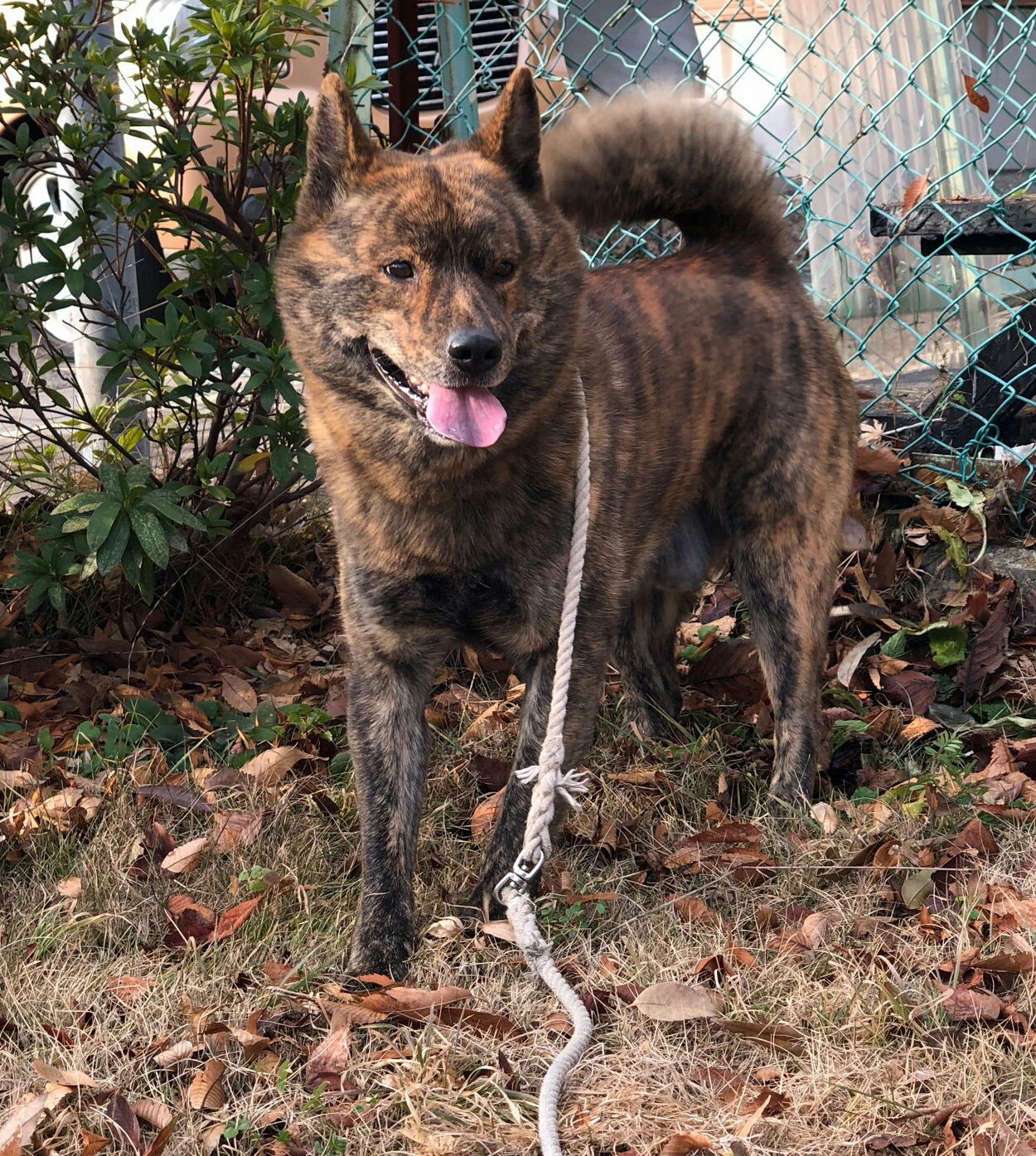
Photo: Wikimedia Commons
Origin
Japan
Lifespan
14–16 years
Weight
14–18 kg (30–40 lbs)
Height
45–55 cm (17–22 in)
Exercise
40 to 60 min/day
Diet
Omnivore — active medium-breed kibble
Taxonomic Hierarchy
Kingdom
Animalia
Phylum
Chordata
Class
Mammalia
Order
Carnivora
Family
Canidae
Genus
Canis
The Story
The Kai Ken (also called Tora Inu or "Tiger Dog") is one of six designated Japanese National Dog breeds and the rarest of them — rarer even than the Akita and Shiba Inu. Developed in the isolated Kai Province (now Yamanashi Prefecture) and kept pure due to the region's mountainous isolation, the Kai Ken was used to hunt deer and wild boar in the dense mountain forests. All three Kai Ken colour varieties are brindle — the only dog breed where brindle is the sole accepted colouration. The breed is notable for its tree-climbing ability — Kai Kens have been documented climbing trees while hunting.
Also Known As
Quick Facts
Discover which pets match your lifestyle
Physical Profile
Source: wikimedia
The Kai Ken is a medium-sized, athletic, well-muscled dog with erect ears, a curled or sickle tail, and a distinctive brindle coat. Three brindle variations exist — red brindle (Aka-Tora), black brindle (Kuro-Tora), and mid-brindle (Chu-Tora). The brindle pattern intensifies with age. The double coat is harsh and straight. The expression is alert and primitive.
Grooming
Low
Shedding
Moderate
Brushing
1-2x-Weekly
Bathing
Every-6-8-Weeks
Coat Colors
Recognized By
Source: wikimedia
Temperament & Personality
Kai Kens are devoted to their family but reserved and wary with strangers — typical of the ancient Japanese hunting breeds. They are intelligent and can be trained, but their independence and primitive nature means they do not respond to conventional obedience approaches. They are typically dog-selective and have high prey drive toward small animals.
Personality Scores
Adaptability
3/5Attention Need
3/5Friendliness
3/5Playfulness
3/5Protectiveness
4/5Living Profile
Ideal Space
House-Large-Garden
Daily Exercise
40 to 60 min/day
Ideal Weather
-10°C to 25°C
Cognitive Benchmarks
Adaptability
30%
Attention
30%
Playfulness
30%
Communication Style
Stress Signals
aloofness, climbing (can climb trees), escape attempts, hunting drive
Care & Wellness
Professional Care Protocol
- •Daily vigorous exercise of 1 hour. The double coat requires brushing 1–2 times weekly and sheds seasonally. Early and extensive socialisation is critically important for this reserved breed.
Nutrition Notes
Very healthy primitive breed. Fish-based diet ideal. Few dietary concerns. Born solid black — brindle pattern develops with age.
Vaccination Schedule
Vaccination Schedule
Senior Care
Very few genetic health issues — arguably the healthiest Japanese breed. Luxating patella in rare cases. Allergies minimal. Japanese National Treasure since 1934. Called "Tiger Dog" for brindle pattern. Can climb trees — the only dog breed known to do this regularly. 12-16 years.
Wellbeing Activities
Nutrition & Sustenance
Daily Calories (Adult)
1000 kcal
Daily Calories (Young)
700 kcal
Recommended Foods
Foods to Avoid
Health Overview
One of the healthiest dog breeds due to centuries of natural isolation. Hip dysplasia is very rare. Few documented hereditary conditions exist. Among the most disease-resistant of all recognised breeds.
Common Conditions
Price Estimates
Pricing Guide
Average estimates as of 2025
Japanese National Treasure. Extremely rare — even rare in Japan. "Tiger Dog" brindle. Can climb trees. India: unavailable.
Purchase Price
$2,000 to $5,000
Adoption Fee
$100 to $500
Data from 2025
Fun Facts
The Kai Ken is the only dog breed in the world where brindle is the only accepted coat pattern — all three colour varieties are brindle, making it the most consistently patterned breed in the world.
Kai Kens have been documented climbing trees while hunting — their strong, curved claws and athletic build allow them to pursue quarry into trees, a behaviour unique among Japanese hunting breeds.
The breed remained genetically isolated in the mountain valleys of Kai Province for centuries — modern DNA analysis shows the Kai Ken has one of the lowest levels of genetic diversity of any large breed, reflecting this isolation.


