

Coton de Tuléar
The Coton de Tuléar is Madagascar's national dog — a charming, cotton-coated companion breed whose origins are somewhat mysterious.
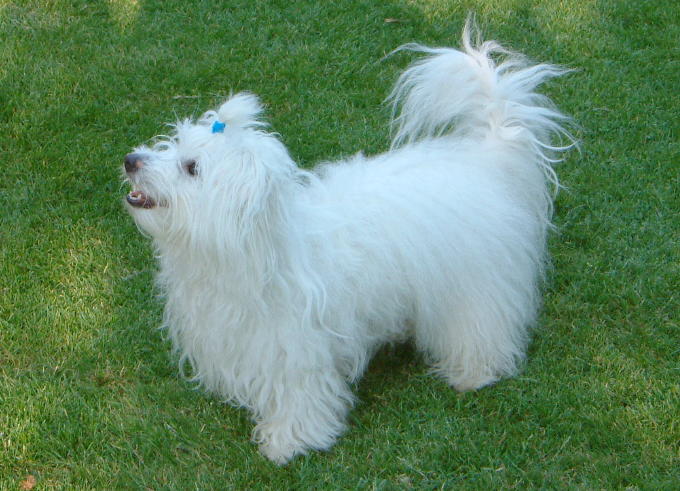
Photo: Wikimedia Commons
Origin
Madagascar
Lifespan
14–19 years
Weight
3.5–6 kg (8–13 lbs)
Height
23–30 cm (9–12 in)
Exercise
20 to 30 min/day
Diet
Omnivore — high-quality small breed food. Generally good eaters without the finickiness of some toy breeds.
Taxonomic Hierarchy
Kingdom
Animalia
Phylum
Chordata
Class
Mammalia
Order
Carnivora
Family
Canidae
Genus
Canis
The Story
The Coton de Tuléar is Madagascar's national dog — a charming, cotton-coated companion breed whose origins are somewhat mysterious. The most widely accepted theory is that small companion dogs survived a shipwreck in the Mozambique Channel and swam ashore to the port of Tuléar (now Toliara) on Madagascar's southwest coast, where they were adopted by local nobility and eventually became treasured companions of Malagasy royalty. The breed is named for the port city and the characteristic cotton-soft coat. It was once illegal for commoners to own one.
Also Known As
Quick Facts
Discover which pets match your lifestyle
Physical Profile
Source: wikimedia
A small, sturdy, well-proportioned companion dog covered in a profuse, fluffy, cotton-soft coat that stands slightly off the body rather than lying flat. The coat is the breed's most distinctive feature — it feels like soft cotton wool and has a natural slight wave. White is the primary colour with occasional light champagne or grey shadings. Lively, round, dark eyes.
Grooming
High
Shedding
Low
Brushing
Daily
Bathing
Every-2-3-Weeks
Coat Colors
Recognized By
Source: wikimedia
Temperament & Personality
Clownish, joyful, and deeply affectionate — the Coton de Tuléar is one of the most cheerful and entertaining of companion breeds. It has a characteristic habit of walking on its hind legs when excited or greeting its owner. Adapts readily to any living situation from city apartment to country house.
Personality Scores
Adaptability
5/5Attention Need
5/5Friendliness
5/5Playfulness
5/5Protectiveness
1/5Living Profile
Ideal Space
Apartment
Daily Exercise
20 to 30 min/day
Ideal Weather
10°C to 30°C
Cognitive Benchmarks
Adaptability
50%
Attention
50%
Playfulness
50%
Communication Style
Stress Signals
clinginess, barking, separation anxiety, excessive licking, whining
Care & Wellness
Professional Care Protocol
- •Moderate exercise — 1 hour daily is sufficient. The cotton coat requires brushing 3–4 times weekly to prevent tangling — it does not mat as severely as some silky coats but requires consistent care. Professional grooming every 6–8 weeks. Low shedding.
Nutrition Notes
Generally very healthy breed. Cotton-like coat needs omega-3 support. Small-breed formula. Dental disease possible. Moderate appetite.
Vaccination Schedule
Vaccination Schedule
Senior Care
Luxating patella. Hip dysplasia (mild). PRA. Bandera's neonatal ataxia — DNA test. Heart murmurs. Madagascar's national dog — the "Royal Dog of Madagascar." Cotton-textured coat unique among breeds. Very few serious genetic issues. 15-19 years — exceptionally long-lived.
Wellbeing Activities
Nutrition & Sustenance
Daily Calories (Adult)
500 kcal
Daily Calories (Young)
350 kcal
Recommended Foods
Foods to Avoid
Health Overview
One of the longest-lived companion breeds — 14–19 years is common. Hip dysplasia at very low rates. Progressive retinal atrophy (PRA). Generally an exceptionally healthy breed.
Common Conditions
Price Estimates
Pricing Guide
Average estimates as of 2025
Rare globally. White or white with grey/tan markings. India: very rare. Grooming intensive but coat doesn't shed much.
Purchase Price
$1,500 to $3,500
Adoption Fee
$100 to $500
Data from 2025
Fun Facts
The Coton de Tuléar was once reserved exclusively for Malagasy royalty — common citizens were legally prohibited from owning one. This royal monopoly was maintained for centuries and contributed to the breed's development as a refined companion rather than a working dog.
The Coton de Tuléar has a characteristic trick — it spontaneously walks on its hind legs when excited, greeting people, or when food is present. This endearing behaviour is so consistent in the breed that it has become one of its defining characteristics.


