

Chow Chow
The Chow Chow is one of the most ancient dog breeds in existence, with DNA studies consistently placing it among the breeds genetically closest to the wolf.
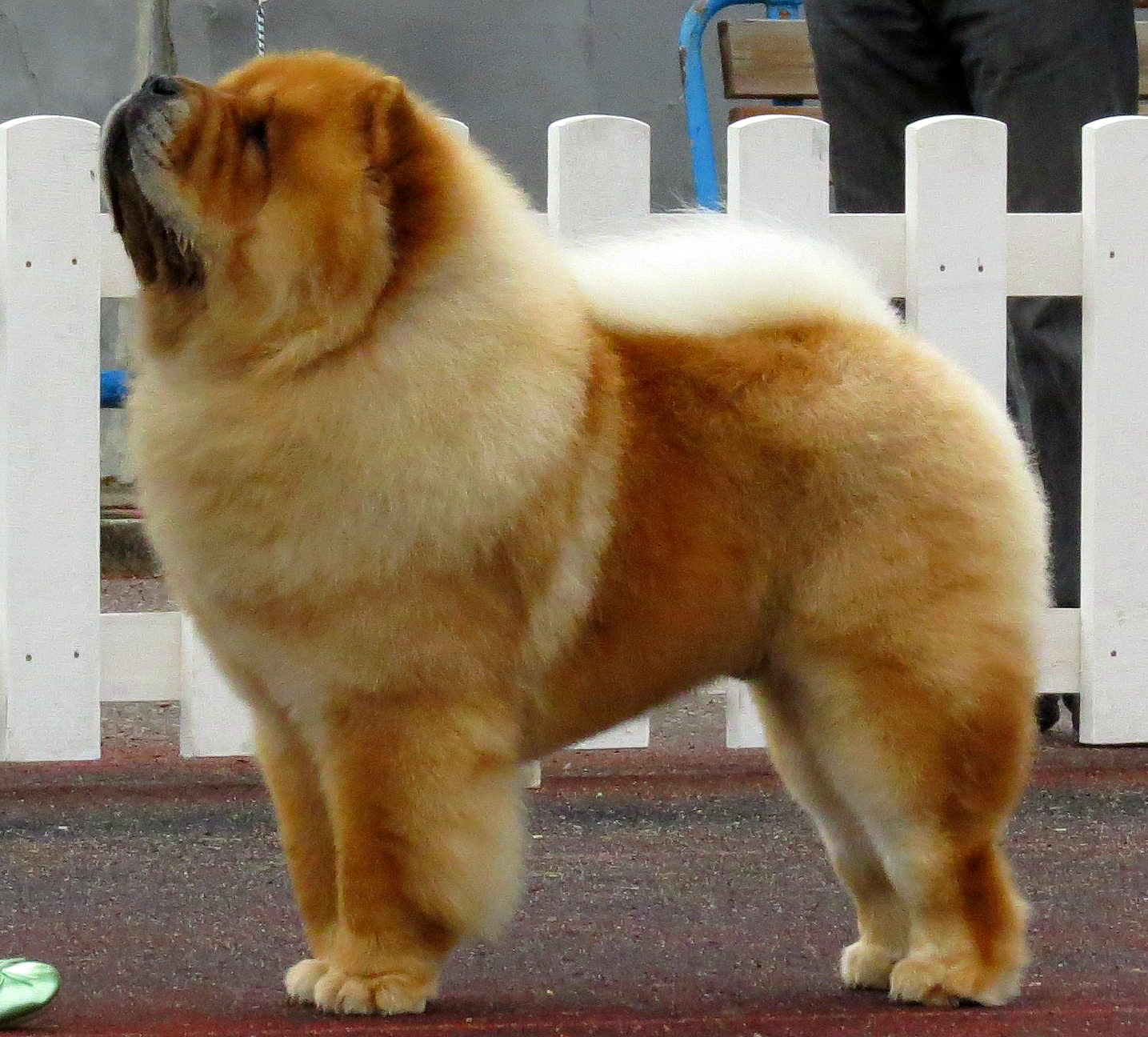
Photo: Wikimedia Commons
Origin
China
Lifespan
9–15 years
Weight
20–32 kg (45–70 lbs)
Height
43–51 cm (17–20 in)
Exercise
30 to 45 min/day
Diet
Omnivore — quality kibble; tend toward skin and coat issues on poor nutrition
Taxonomic Hierarchy
Kingdom
Animalia
Phylum
Chordata
Class
Mammalia
Order
Carnivora
Family
Canidae
Genus
Canis
The Story
The Chow Chow is one of the most ancient dog breeds in existence, with DNA studies consistently placing it among the breeds genetically closest to the wolf. Artwork and pottery from China's Han Dynasty (206 BCE–220 CE) depicts Chow-like dogs. They served as hunting dogs, herding dogs, and guard dogs in ancient China and were eaten as a food source by some populations — the name "Chow Chow" may derive from a Chinese term for food. Their unique blue-black tongue, lion-like mane, and stilted gait are entirely distinctive. They are not social, demonstrative dogs — they are more akin to cats in their independence and aloofness.
Also Known As
Quick Facts
Discover which pets match your lifestyle
Physical Profile
Source: wikimedia
The Chow Chow is immediately recognisable — a medium-sized, square-built dog with a massive, thick mane around the head and neck creating a lion-like appearance. The face is flat with small, sunken eyes. The unique blue-black pigmentation of the tongue, lips, and gums is diagnostic for the breed. Two coat varieties — rough (profuse, abundant outer coat) and smooth (short, hard, dense). All solid colours are recognised.
Grooming
High
Shedding
High
Brushing
Daily
Bathing
Every-4-6-Weeks
Coat Colors
Recognized By
Source: wikimedia
Temperament & Personality
Chow Chows are extraordinarily independent and reserved — they are fundamentally different in temperament from most companion breeds. They do not seek approval, do not enjoy being handled by strangers, and typically bond to one or two people exclusively. They are not aggressive without provocation but are protective and can be intolerant of perceived threats. Their stubbornness makes formal training a test of patience — they are extremely intelligent but have little motivation to comply with requests they find pointless.
Personality Scores
Adaptability
3/5Attention Need
2/5Friendliness
2/5Playfulness
2/5Protectiveness
5/5Living Profile
Ideal Space
House-Small-Garden
Daily Exercise
30 to 45 min/day
Ideal Weather
-10°C to 22°C
Cognitive Benchmarks
Adaptability
30%
Attention
20%
Playfulness
20%
Communication Style
Stress Signals
aloofness, aggression, stiffening, lip curling, avoidance
Care & Wellness
Professional Care Protocol
- •Moderate daily exercise of 30–45 minutes. They are sensitive to heat — the thick coat and flat face (moderate brachycephalic) make thermoregulation difficult. The rough coat requires thorough brushing 2–3 times weekly to prevent matting, particularly around the dense mane. Early and extensive socialisation is critical — a poorly socialised Chow is a significant liability given their size, strength, and protective instinct.
Nutrition Notes
Skin allergies are extremely common — limited-ingredient or hypoallergenic diets often essential. Avoid soy, corn, wheat. Omega-3/6 for skin and coat. Moderate calorie needs despite size. Bloat risk — feed 2-3 meals.
Vaccination Schedule
Vaccination Schedule
Senior Care
Entropion (eyelids rolling inward) — surgical correction often needed. Hip and elbow dysplasia. Skin allergies lifelong. Blue-black tongue is breed-defining (shared only with Shar-Pei). Diabetes mellitus. Autoimmune thyroiditis. Bloat risk. NOT a first-time owner breed.
Wellbeing Activities
Nutrition & Sustenance
Daily Calories (Adult)
1300 kcal
Daily Calories (Young)
1000 kcal
Recommended Foods
Foods to Avoid
Health Overview
Entropion (inward rolling eyelid) is very common due to the tight facial skin around the eyes — surgical correction is frequently needed. Hip and elbow dysplasia occur at elevated rates. Hypothyroidism is common. Gastric cancer and gastric carcinoma occur at higher rates than most breeds. Patellar luxation and skin conditions also seen.
Common Conditions
Price Estimates
Pricing Guide
Average estimates as of 2025
One of the most ancient breeds (DNA closest to wolves). Red most common; black, blue, cinnamon, cream also exist. Cat-like personality — independent, aloof, one-person dog. India: moderate demand, heat sensitivity is major concern.
Purchase Price
$1,000 to $3,000
Adoption Fee
$100 to $500
Data from 2025
Fun Facts
The Chow Chow's blue-black tongue is unique in the dog world (shared only by the Shar-Pei) and is caused by pigment-producing cells in the tongue. Legend holds that the colour was caused by Chow Chows licking up drops of colour when God was painting the sky.
Sigmund Freud kept a Chow Chow named Jofi who attended all his therapy sessions — Freud observed that patients were more relaxed in the dog's presence and used Jofi's behaviour to gauge patient anxiety.
Chow Chows are one of the most ancient breeds in the world — DNA analysis places them as one of the 14 breeds least genetically changed from the ancestral wolf.


