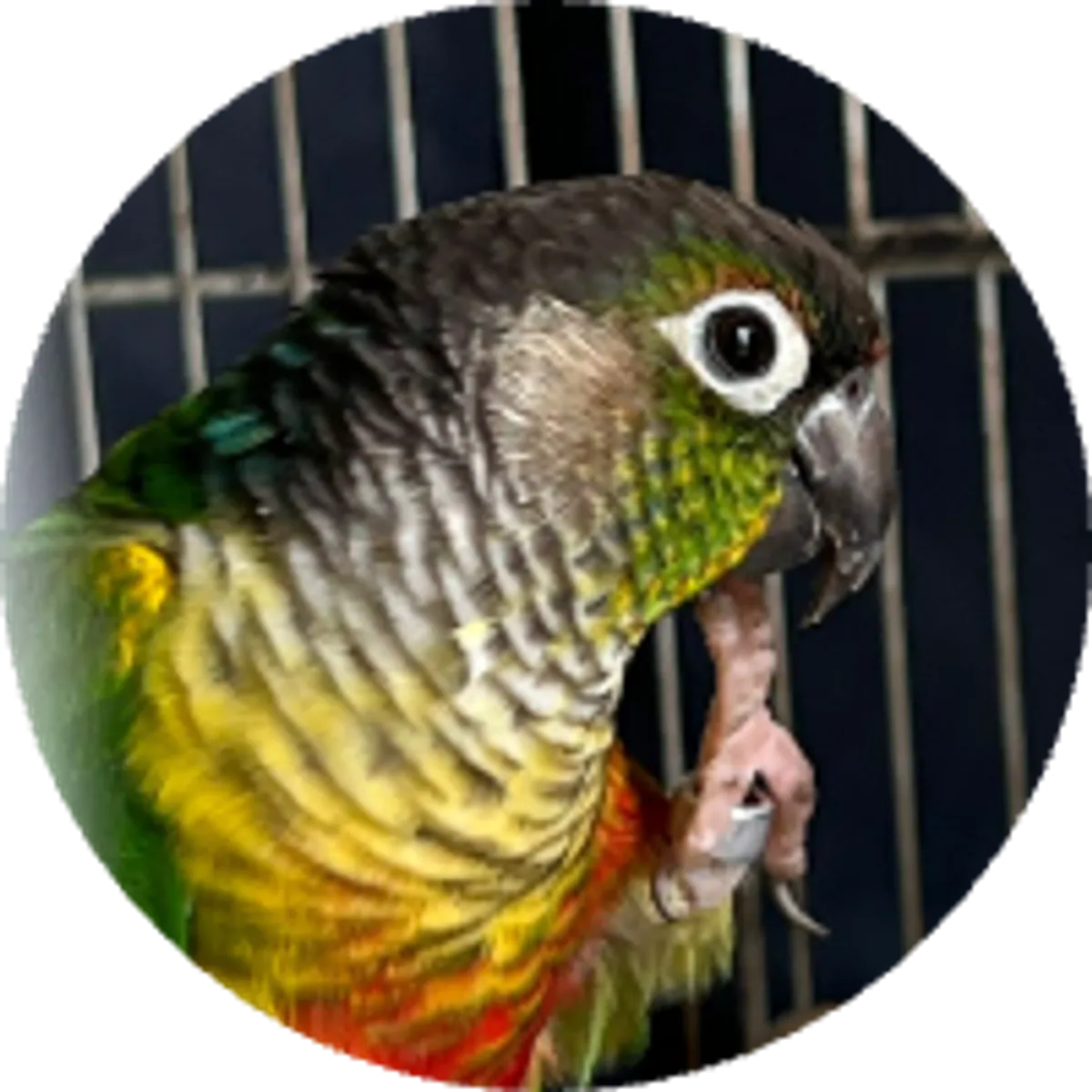

Ring-Necked Dove
One of the most popular dove species kept as pets, prized for their gentle undemanding nature and soft cooing call.

Photo: Wikimedia Commons
Origin
South Africa
Lifespan
10–15 years
Weight
90–150 g
Height
26–28 cm
Diet
Herbivore/Granivore — mixed grain (wheat, millet, dari), dove pellets, fresh greens, grit for digestion.
Taxonomic Hierarchy
Kingdom
Animalia
Phylum
Chordata
Class
Aves
Order
Columbiformes
Family
Columbidae
Genus
Streptopelia
The Story
One of the most popular dove species kept as pets, prized for their gentle undemanding nature and soft cooing call. Unlike parrots, doves are minimally interactive and do not seek hands-on contact, but their calming presence and pleasant vocalisation make them appealing companions. Easier to keep than most parrots. Their soft rhythmic cooing — "work-harder, work-harder" as it is often transcribed — is one of the most soothing sounds in aviculture.
Also Known As
Quick Facts
Discover which pets match your lifestyle
Physical Profile
Source: wikimedia
Medium-small dove of pale pinkish-buff and grey colouration with a distinctive black half-collar on the back of the neck. White-tipped tail. Several colour mutations including all-white (very common in aviculture).
Grooming
Nil
Shedding
Low
Coat Colors
Recognized By
Source: wikimedia
Temperament & Personality
Gentle and undemanding. Not interactive like parrots. Appeal is their peaceful presence and calming call. Ideal birds for those wanting a low-maintenance avian companion.
Living Profile
Care & Wellness
Professional Care Protocol
- •Flight cage or aviary — doves need horizontal flight space. Kept in pairs. Fresh grain, grit, and water daily. Very simple care. Suitable for beginners.
Vaccination Schedule
Vaccination Schedule
Health Overview
Trichomoniasis (canker) — common protozoal throat infection. Paramyxovirus (PMV-1) can affect doves.
Common Conditions
Fun Facts
Ring-Necked Doves have been used in extensive research on bird song, mate choice, and reproductive behaviour.