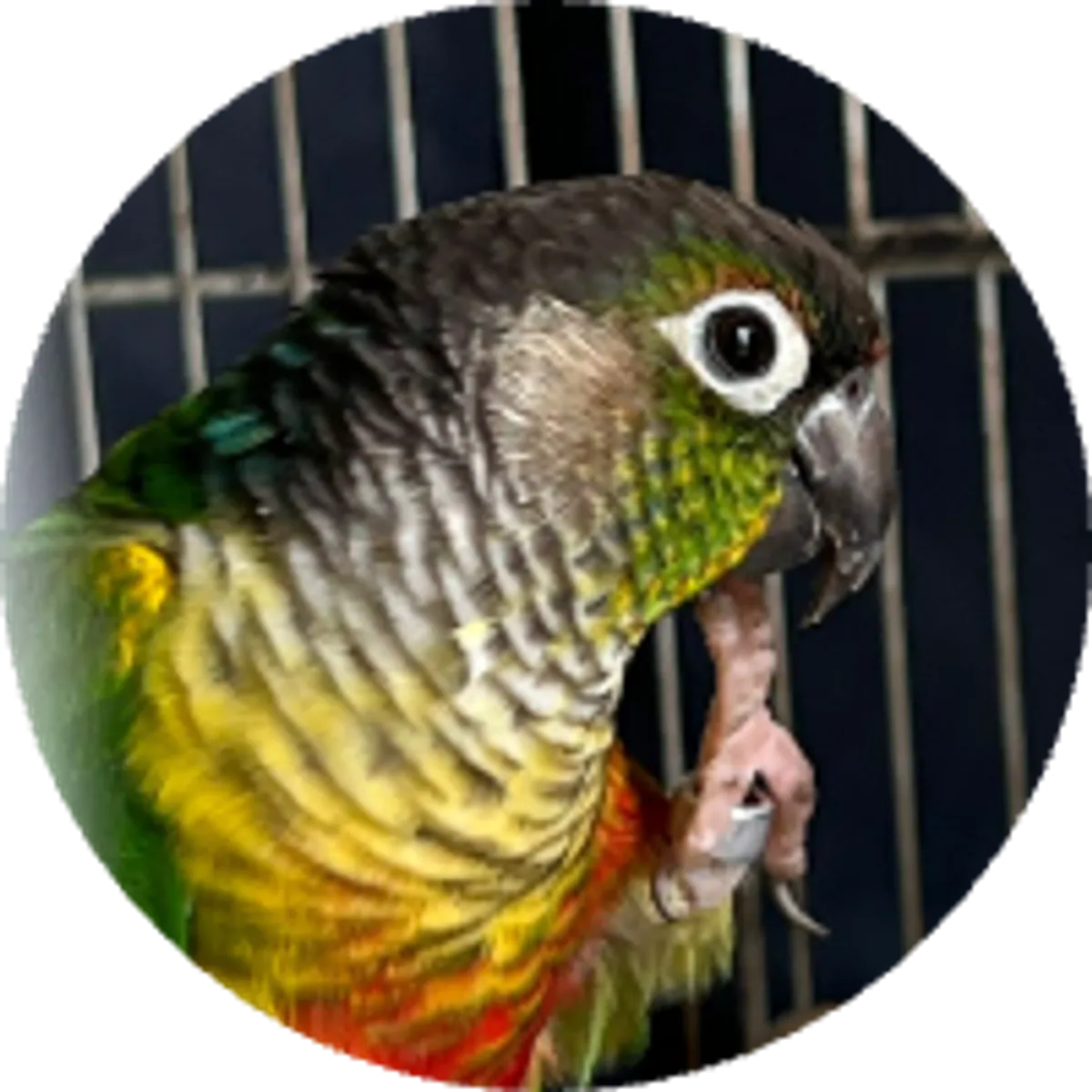

Hyacinth Macaw
The world's largest parrot species by length (up to 1 metre) and one of the most endangered.

Photo: Wikimedia Commons
Origin
Brazil
Lifespan
50–60 years
Weight
1,200–1,700 g
Height
100 cm
Diet
Herbivore — specialist diet; in the wild almost exclusively Acuri and Bocaiuva palm nuts. Captive diet requires macaw pellets, nuts, vegetables, fruit. Very high fat requirement.
Taxonomic Hierarchy
Kingdom
Animalia
Phylum
Chordata
Class
Aves
Order
Psittaciformes
Family
Psittacidae
Genus
Anodorhynchus
The Story
The world's largest parrot species by length (up to 1 metre) and one of the most endangered. Entirely cobalt blue with yellow eye-rings and beak markings. Captive-bred individuals sell for $10,000–$20,000 USD. Their enormous beak — capable of cracking coconuts — combined with their gentle temperament makes them the paradoxical "gentle giant" of the parrot world.
Also Known As
Quick Facts
Discover which pets match your lifestyle
Physical Profile
Source: wikimedia
Uniformly cobalt blue — every feather the same vivid cobalt with no other pattern except the bright yellow skin at the base of the lower mandible and a yellow periorbital ring around each eye. The massive black beak is the largest of any parrot.
Grooming
Low
Shedding
Low
Coat Colors
Recognized By
Source: wikimedia
Temperament & Personality
Despite their enormous beak, characteristically gentle — far less prone to biting than smaller macaws. Deeply affectionate and highly social. Their needs are extreme — the largest cage practicable, 4+ hours of interaction, very high daily enrichment.
Living Profile
Care & Wellness
Professional Care Protocol
- •Dedicated bird room or aviary ideally. Stainless steel construction only. Fresh palm nuts and coconut. 4+ hours daily interaction. Extreme noise levels. CITES paperwork required. Very high cost of ownership.
Vaccination Schedule
Vaccination Schedule
Health Overview
PDD. PBFD. Heavy metal toxicity from cage hardware — their powerful beak strips plating. Nutritional deficiencies from inadequate diet. Bi-annual avian specialist examinations.
Common Conditions
Fun Facts
The Hyacinth Macaw's beak exerts the greatest crushing force of any bird — sufficient to crack open coconuts and the hardest palm nuts that no other bird can access.
The Pantanal in Brazil holds approximately 5,000 wild Hyacinth Macaws — the largest population. Conservation by the Hyacinth Macaw Project has stabilised numbers.
Captive-bred Hyacinth Macaws can cost $10,000–$20,000 USD — among the most expensive pets in the world.