

Tibetan Mastiff
The Tibetan Mastiff is one of the most ancient and imposing of all dog breeds, used for thousands of years in Tibet as a guardian of monasteries, villages, and nomadic camps against wolves, bears, and leopards.
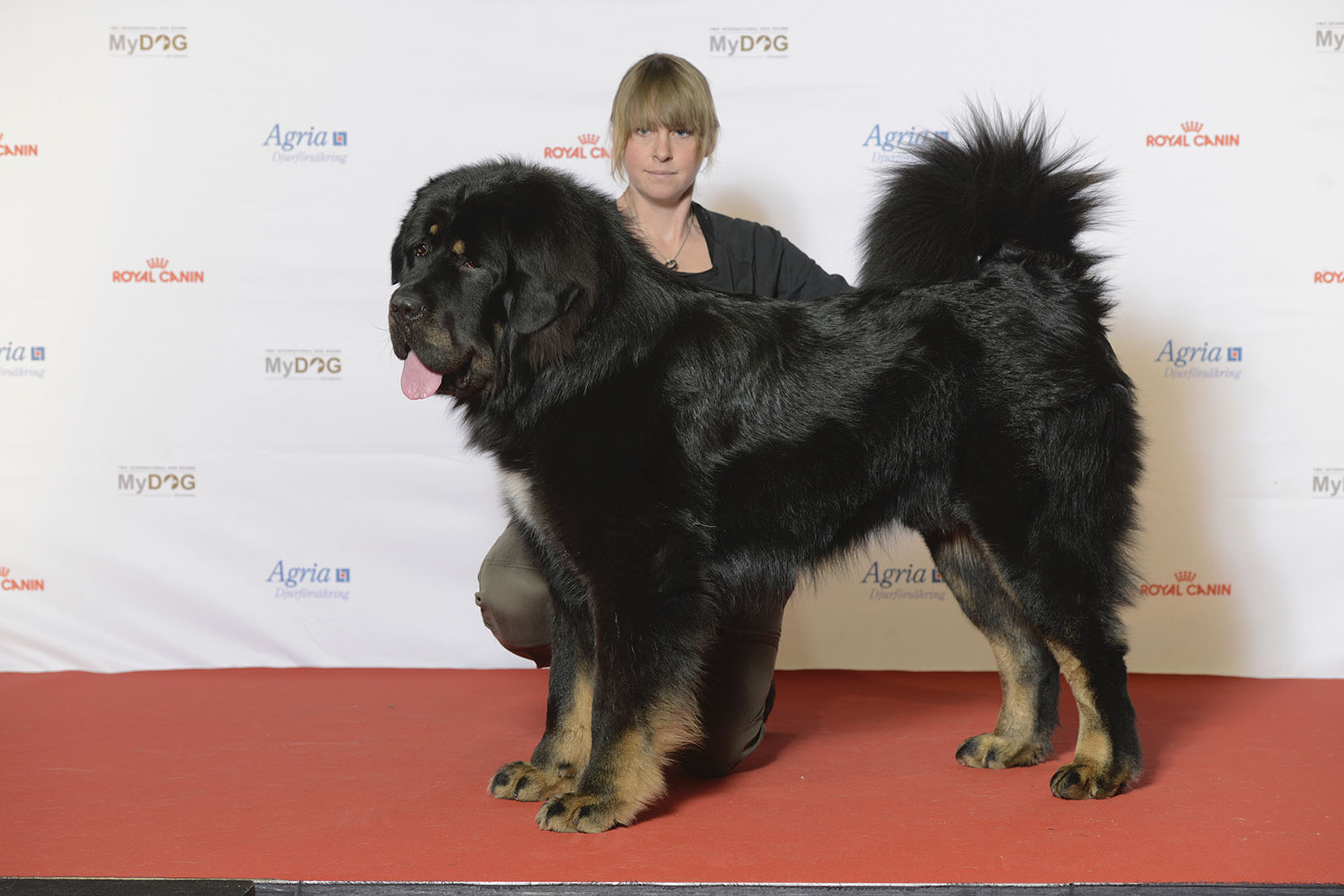
Photo: Wikimedia Commons
Origin
Tibet (China)
Lifespan
10–14 years
Weight
41–91 kg (90–200 lbs)
Height
61–76 cm (24–30 in)
Exercise
20 to 40 min/day
Diet
Omnivore — giant breed quality formula; surprisingly efficient metabolism — do not overfeed
Taxonomic Hierarchy
Kingdom
Animalia
Phylum
Chordata
Class
Mammalia
Order
Carnivora
Family
Canidae
Genus
Canis
The Story
The Tibetan Mastiff is one of the most ancient and imposing of all dog breeds, used for thousands of years in Tibet as a guardian of monasteries, villages, and nomadic camps against wolves, bears, and leopards. Genetically distinct from Western mastiffs, the Tibetan Mastiff is a primitive livestock guardian that operates with profound independence — making decisions entirely on its own assessment of threats without human direction. They achieved extraordinary notoriety and prices in China during the early 2010s, where well-bred individuals sold for millions of dollars as status symbols. In India, the Tibetan Mastiff is specifically listed in the March 2024 DAHD advisory restricting import and commercial breeding.
Also Known As
Quick Facts
Discover which pets match your lifestyle
Physical Profile
Source: wikimedia
The Tibetan Mastiff is a massive, heavily built dog with a broad, impressive head framed by a dramatic mane of longer hair around the neck and shoulders — giving it a lion-like appearance. The double coat is very thick and profuse, providing insulation against extreme Himalayan cold. Males develop a particularly dramatic mane. The deep-set brown eyes have an aloof, watchful expression. The tail curls over the back.
Grooming
High
Shedding
High
Brushing
3-4x-Weekly
Bathing
Every-6-8-Weeks
Coat Colors
Recognized By
Source: wikimedia
Temperament & Personality
Tibetan Mastiffs are fundamentally different in temperament from most working breeds — they are not people-pleasers and have no interest in performing for or impressing humans. They are nocturnal guard dogs by heritage, extremely vocal at night, and highly territorial. They are loyal to their family in a remote, dignified way. Their independence and size make them genuinely unsuitable for inexperienced dog owners or typical suburban settings.
Personality Scores
Adaptability
2/5Attention Need
2/5Friendliness
2/5Playfulness
2/5Protectiveness
5/5Living Profile
Ideal Space
House-Large-Garden
Daily Exercise
20 to 40 min/day
Ideal Weather
-30°C to 18°C
Cognitive Benchmarks
Adaptability
20%
Attention
20%
Playfulness
20%
Communication Style
Stress Signals
nocturnal barking (breed standard), territorial aggression, aloofness, guarding, escape over walls
Care & Wellness
Professional Care Protocol
- •Moderate exercise in a very large, very securely fenced area. The profuse double coat sheds massively once yearly (rather than continuously) and requires daily brushing during the annual shed and weekly maintenance otherwise. They should not be exercised vigorously in heat. They are nocturnal by nature and can be extremely disruptive at night in residential settings.
Nutrition Notes
Giant breed formula. Surprisingly efficient metabolism — eats less than expected for size. Hypothyroidism extremely common. CIDN (canine inherited demyelinating neuropathy) — DNA test available.
Vaccination Schedule
Vaccination Schedule
Senior Care
Hypothyroidism (up to 30% affected). CIDN — DNA test. Hip dysplasia. Entropion. Autoimmune thyroiditis. Females have only ONE heat cycle per year (primitive trait). idealWeatherMaxC = 18°C — the LOWEST heat tolerance of any breed. Chinese billionaire paid $1.95 million for one in 2014. 10-12 years.
Wellbeing Activities
Nutrition & Sustenance
Daily Calories (Adult)
2000 kcal
Daily Calories (Young)
1600 kcal
Recommended Foods
Foods to Avoid
Health Overview
Hip and elbow dysplasia are significant. Hypothyroidism is elevated. Autoimmune conditions occur. Canine inherited demyelinative neuropathy (CIDN) is a fatal neurological disease specific to the breed. Bloat/GDV is a risk.
Common Conditions
Price Estimates
Pricing Guide
Average estimates as of 2025
ABSOLUTELY NOT suited for India — idealWeatherMaxC only 18°C. Price can be astronomical (millions in China). India: Despite demand, keeping this breed in India is strongly discouraged due to extreme heat sensitivity.
Purchase Price
$2,000 to $6,000
Adoption Fee
$100 to $500
Data from 2025
Fun Facts
In 2011–2014, purebred Tibetan Mastiffs in China sold for up to $1.9 million USD, making them the most expensive dogs ever sold — Chinese buyers associated the breed with wealth, status, and auspicious fortune.
The Tibetan Mastiff is the only known dog breed that has only one oestrus cycle per year rather than two — a trait shared with wolves, reflecting the breed's minimal domestication pressure in the remote Himalayas.
DNA analysis shows the Tibetan Mastiff diverged from the ancestral wolf approximately 58,000 years ago — one of the oldest divergence points of any domestic dog breed from wolf ancestry.


