

Standard Schnauzer
The Standard Schnauzer is the original Schnauzer from which both the Miniature and Giant varieties were developed.
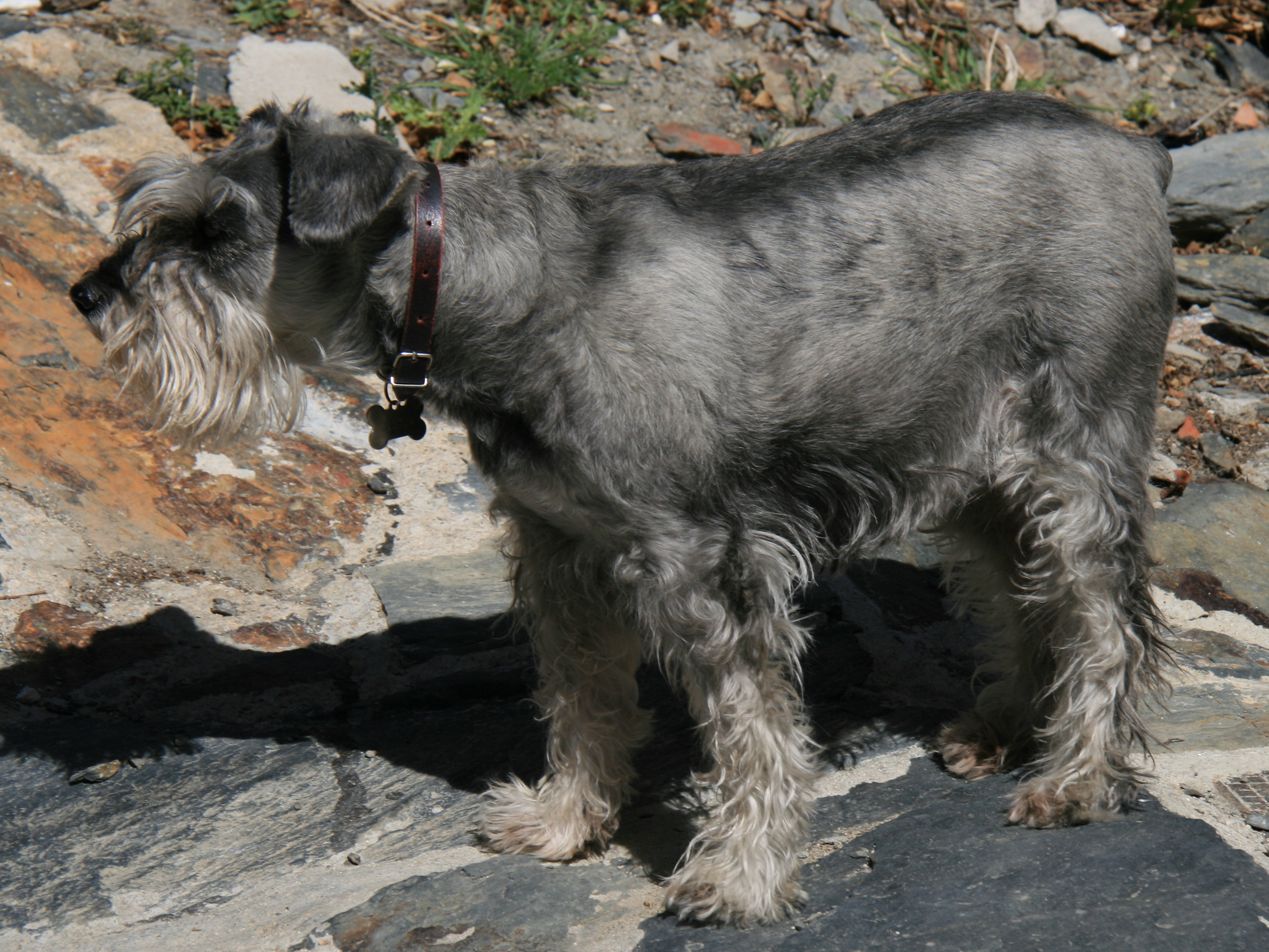
Photo: Wikimedia Commons
Origin
Germany
Lifespan
13–16 years
Weight
14–20 kg (30–44 lbs)
Height
44–50 cm (17–20 in)
Exercise
40 to 60 min/day
Diet
Omnivore — active medium-breed formula
Taxonomic Hierarchy
Kingdom
Animalia
Phylum
Chordata
Class
Mammalia
Order
Carnivora
Family
Canidae
Genus
Canis
The Story
The Standard Schnauzer is the original Schnauzer from which both the Miniature and Giant varieties were developed. Dating back to at least the 14th century in Germany, the Standard was an all-purpose farm dog — vermin hunter, livestock guardian, cart puller, and family watchdog. The distinctive Schnauzer hallmarks — bushy eyebrows, moustache, and beard — appear in paintings by Rembrandt and Albrecht Dürer. During World War I, the Red Cross used Standard Schnauzers as dispatch carriers and ambulance dogs. They were among the first breeds officially recognised by German police as working dogs in the early 20th century.
Also Known As
Quick Facts
Discover which pets match your lifestyle
Physical Profile
Source: wikimedia
The Standard Schnauzer is a robust, sturdy, medium-sized dog of nearly square proportions. The characteristic wiry double coat in salt-and-pepper (a banded grey effect) or solid black is complemented by the distinctive bushy eyebrows, moustache, and beard that define Schnauzer appearance across all three varieties. The head is strong and rectangular, the eyes dark and oval. The body is compact and athletic.
Grooming
High
Shedding
Low
Brushing
3-4x-Weekly
Bathing
Every-4-6-Weeks
Coat Colors
Recognized By
Source: wikimedia
Temperament & Personality
Standard Schnauzers are spirited, intelligent, and highly reliable — combining working dog capability with an affectionate family temperament. They are typically more trainable and less dog-aggressive than terrier breeds of similar size. Their intelligence means they need mental challenges. They are alert and make excellent watchdogs without being reactive.
Personality Scores
Adaptability
4/5Attention Need
4/5Friendliness
3/5Playfulness
4/5Protectiveness
4/5Living Profile
Ideal Space
House-Small-Garden
Daily Exercise
40 to 60 min/day
Ideal Weather
0°C to 28°C
Cognitive Benchmarks
Adaptability
40%
Attention
40%
Playfulness
40%
Communication Style
Stress Signals
barking, stubbornness, protectiveness increase, pacing, resource guarding
Care & Wellness
Professional Care Protocol
- •Daily vigorous exercise of 1 hour. The wiry coat requires hand-stripping or clipping every 6–8 weeks and brushing 2–3 times weekly. The beard and leg furnishings need regular cleaning. Dental care important.
Nutrition Notes
The original Schnauzer (Miniature and Giant are derivations). Fewer health issues than Mini (no pancreatitis predisposition). Joint supplements for active dogs. Moderate calorie needs.
Vaccination Schedule
Vaccination Schedule
Senior Care
Hip dysplasia. Hypothyroidism. Dilated cardiomyopathy in some lines. Cataracts. Generally healthiest of the three Schnauzer sizes. The prototypical Schnauzer — smart, versatile, spirited. 13-16 years.
Wellbeing Activities
Nutrition & Sustenance
Daily Calories (Adult)
1100 kcal
Daily Calories (Young)
800 kcal
Recommended Foods
Foods to Avoid
Health Overview
Hip dysplasia is a concern. Follicular dermatitis is a skin condition elevated in the breed. Eye conditions including cataracts occur. Generally a healthy, long-lived breed.
Common Conditions
Price Estimates
Pricing Guide
Average estimates as of 2025
Less common than Miniature but healthier. Black and salt-and-pepper. India: moderately available. Hand-stripping preferred for coat maintenance.
Purchase Price
$1,000 to $2,500
Adoption Fee
$100 to $400
Data from 2025
Fun Facts
The Standard Schnauzer appears in paintings by Rembrandt (circa 1631) and Albrecht Dürer (1492) — among the earliest depictions of a specific, identifiable dog breed in European art.
Standard Schnauzers served in both World Wars — in WWI as dispatch dogs and first aid dogs alongside Red Cross units; in WWII they served in multiple roles for both the German and Allied militaries.
All three Schnauzer sizes — Miniature, Standard, and Giant — were developed in Germany from the same foundation breed. The Standard is the original; the Miniature was reduced by crosses with Affenpinschers; the Giant was increased by crosses with Great Danes and Bouvier des Flandres.


