
Shih Tzu
The Shih Tzu is one of the oldest and most aristocratic toy breeds, developed in Tibet and China as a sacred companion dog for royalty.

Photo: Wikimedia Commons
Origin
China
Lifespan
10–18 years
Weight
4–7.2 kg (9–16 lbs)
Height
20–28 cm (8–11 in)
Exercise
20 to 30 min/day
Diet
Omnivore — small-breed premium kibble; dental health formulas recommended
Taxonomic Hierarchy
Kingdom
Animalia
Phylum
Chordata
Class
Mammalia
Order
Carnivora
Family
Canidae
Genus
Canis
The Story
The Shih Tzu is one of the oldest and most aristocratic toy breeds, developed in Tibet and China as a sacred companion dog for royalty. For centuries Shih Tzus lived exclusively within the walls of Chinese palaces, bred by imperial court eunuchs and considered sacred. They were so prized that China refused to export them for decades; the breed only reached the West in the 1930s. Today the Shih Tzu is one of the most popular toy breeds globally, beloved for its flowing coat, chrysanthemum-like facial hair, and warm, outgoing personality that suits apartment life perfectly.
Also Known As
Quick Facts
Discover which pets match your lifestyle
Physical Profile
Source: wikimedia
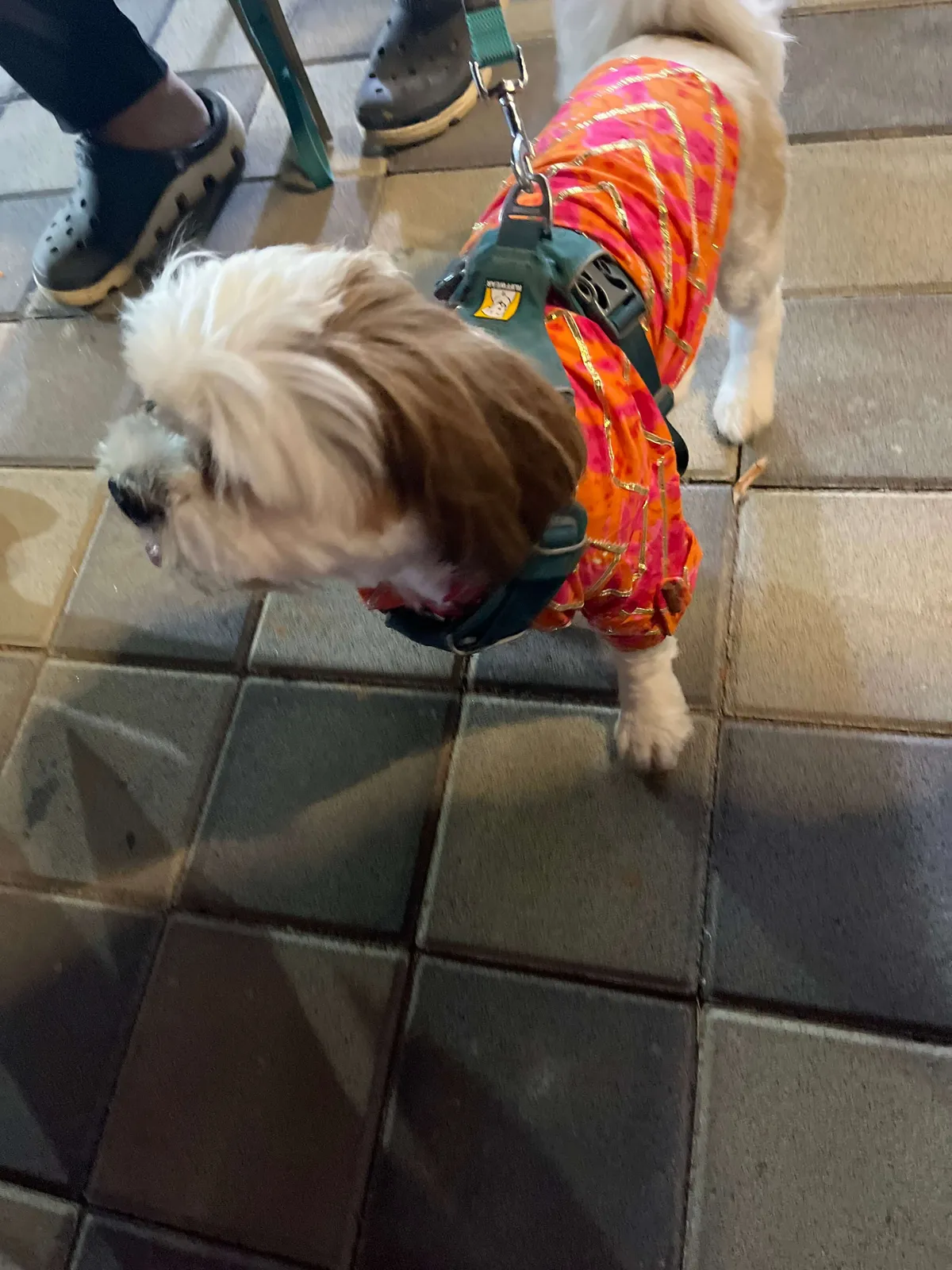
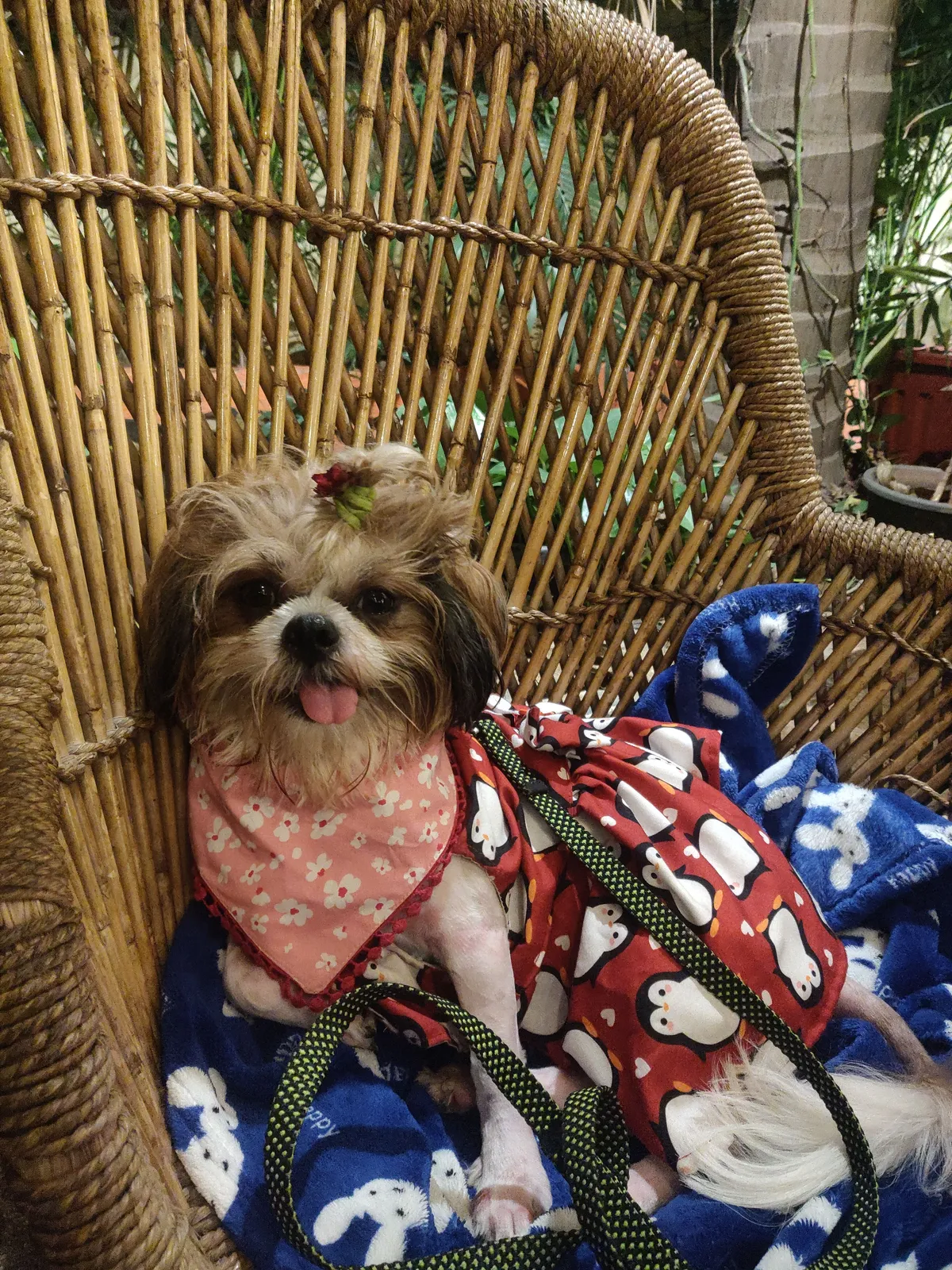
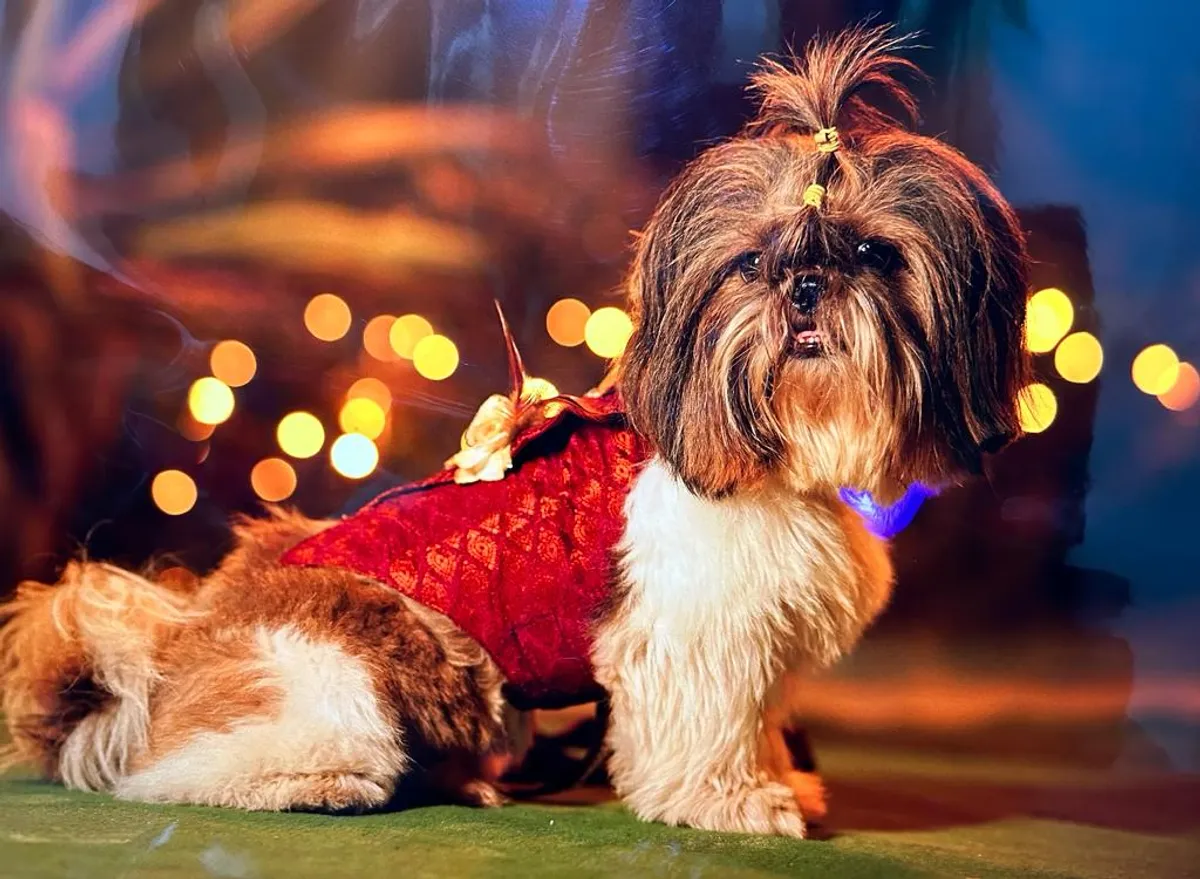
The Shih Tzu's most striking feature is its long, dense, flowing double coat that grows continuously and, in show dogs, reaches the ground. The face has a short muzzle, wide-set large dark eyes, and hair that grows upward from the nose, creating the characteristic chrysanthemum appearance. The tail curls over the back. Most pet owners keep the coat in a practical short "puppy cut."
Grooming
Very High
Shedding
Low
Brushing
Daily
Bathing
Every-2-3-Weeks
Coat Colors
Recognized By
Source: wikimedia
Temperament & Personality
Shih Tzus are characteristically friendly, trusting, and outgoing — they were bred exclusively as companions for over 1,000 years and it shows. They are not guard dogs, working dogs, or sporting dogs; they are lap dogs of the highest order, devoted to being with their people. Despite this, they have a playful, mischievous streak and are more robust and spirited than their glamorous appearance suggests.
Personality Scores
Adaptability
5/5Attention Need
5/5Friendliness
5/5Playfulness
4/5Protectiveness
1/5Living Profile
Ideal Space
Apartment
Daily Exercise
20 to 30 min/day
Ideal Weather
10°C to 28°C
Cognitive Benchmarks
Adaptability
50%
Attention
50%
Playfulness
40%
Communication Style
Stress Signals
clinginess, hiding, appetite loss, excessive panting, reverse sneezing increase
Care & Wellness
Professional Care Protocol
- •The long coat requires daily brushing and professional grooming every 4–6 weeks. Even in the shorter puppy cut, the facial hair needs daily attention to prevent eye irritation. Face wrinkles must be cleaned regularly. Teeth require daily brushing — dental disease is a leading cause of health problems in the breed. Moderate daily exercise (20–30 minutes) suits most Shih Tzus.
Nutrition Notes
Brachycephalic — slow-feeder bowls recommended. Small-breed formula. Eye proptosis risk means avoid flat bowls that press against eyes. Dental disease common; dental-specific food helps. Allergies and skin issues often require limited-ingredient diets.
Vaccination Schedule
Vaccination Schedule
Senior Care
Brachycephalic issues worsen with age. Eye problems (dry eye, proptosis, corneal ulcers) are lifelong. Dental disease — expect multiple extractions. Renal dysplasia (check at purchase). Portosystemic shunt (liver). Keep topknot trimmed to prevent eye irritation.
Wellbeing Activities
Nutrition & Sustenance
Daily Calories (Adult)
550 kcal
Daily Calories (Young)
400 kcal
Recommended Foods
Foods to Avoid
Health Overview
As a brachycephalic breed, Shih Tzus can experience breathing difficulties in heat. Their prominent eyes are prone to proptosis (eye popping forward) if the dog is handled roughly by the scruff. Renal dysplasia (kidney malformation) is a heritable condition. Hip dysplasia and intervertebral disc disease occur.
Common Conditions
Price Estimates
Pricing Guide
Average estimates as of 2025
Very popular in India — wide availability. Grooming costs significant (₹1,500-3,000/month India). Imperial/teacup Shih Tzus are not a legitimate variety and have severe health issues.
Purchase Price
$800 to $2,500
Adoption Fee
$100 to $400
Data from 2025
Fun Facts
The Shih Tzu name means "Lion Dog" in Mandarin — the breed was developed to resemble the lions depicted in Buddhist iconography.
During the Chinese Communist Revolution of 1949, the imperial Shih Tzu breeding programme was all but destroyed. The entire Western breed population descends from just 14 dogs.
Shih Tzus can have remarkably long lifespans — the breed record exceeds 23 years, making them one of the longest-lived of all dog breeds.