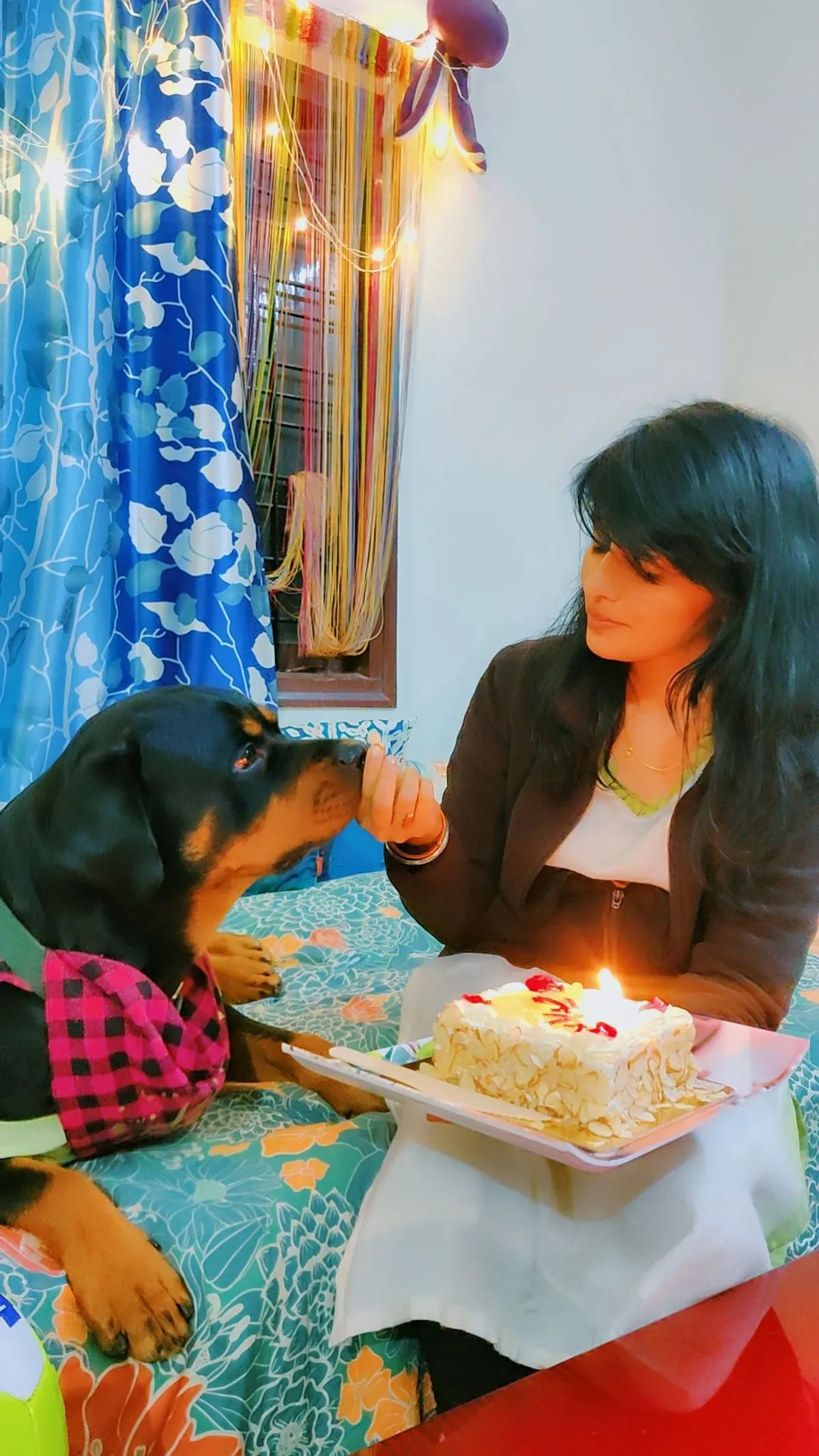

Rottweiler
The Rottweiler is one of the oldest herding breeds, with roots tracing back to Roman drover dogs that accompanied legions across Europe.

Photo: Wikimedia Commons
Origin
Germany
Lifespan
9–10 years
Weight
35–60 kg (77–132 lbs)
Height
56–69 cm (22–27 in)
Exercise
60 to 90 min/day
Diet
Omnivore — high-protein kibble for large active working breeds
Taxonomic Hierarchy
Kingdom
Animalia
Phylum
Chordata
Class
Mammalia
Order
Carnivora
Family
Canidae
Genus
Canis
The Story
The Rottweiler is one of the oldest herding breeds, with roots tracing back to Roman drover dogs that accompanied legions across Europe. In the town of Rottweil in southern Germany, these dogs became the preferred cattle drovers, cart-pullers, and butcher's dogs — earning the name "Rottweiler Metzgerhund" (Rottweil butcher's dog). The breed nearly went extinct in the 19th century when cattle driving was banned and replaced by rail transport, but was revived by fanciers who recognised their exceptional working ability. Today's Rottweiler is a versatile working dog deployed in police and military work, search and rescue, therapy, and as a loyal guardian — combining substantial physical power with considerable intelligence and a devotion to family that is among the most profound in any breed.
Also Known As
Quick Facts
Discover which pets match your lifestyle
Physical Profile
Source: wikimedia
The Rottweiler is a powerful, substantial dog of compact and athletic build. The head is broad with a well-developed skull, medium-length, broad muzzle, and pronounced stop. The characteristic markings are precisely defined rust to mahogany tan points on the cheeks, above the eyes, on the muzzle, throat, chest, legs, and under the tail — set against a deep black base coat. The double coat is short, dense, and straight. The body is muscular and compact, not coarse or cumbersome. Historically the tail was docked (a practice now banned in many countries), and natural tails are increasingly common.
Grooming
Low
Shedding
Moderate
Brushing
1-2x-Weekly
Bathing
Every-6-8-Weeks
Coat Colors
Recognized By
Source: wikimedia
Temperament & Personality
A well-bred, well-socialised Rottweiler is calm, confident, and remarkably self-assured — neither aggressive nor overly friendly, but approaching new situations with a measured composure that reflects the breed's centuries of working alongside humans in demanding roles. They are deeply devoted to their family, often described as "velcro dogs" despite their formidable appearance. Their natural guarding instinct means they are watchful and protective, but should not be reactive or unstable. Rottweilers require a confident, experienced owner who establishes clear, consistent leadership through positive training — their intelligence and independence means they will test boundaries.
Personality Scores
Adaptability
3/5Attention Need
4/5Friendliness
3/5Playfulness
4/5Protectiveness
5/5Living Profile
Ideal Space
House-Small-Garden
Daily Exercise
60 to 90 min/day
Ideal Weather
-5°C to 30°C
Cognitive Benchmarks
Adaptability
30%
Attention
40%
Playfulness
40%
Communication Style
Stress Signals
excessive barking, destructive behaviour, aggression when cornered, pacing, drooling increase
Care & Wellness
Professional Care Protocol
- •Rottweilers need substantial daily exercise — 1.5–2 hours of vigorous activity. They excel in working sports: schutzhund, tracking, weight pulling, agility, and obedience. Mental stimulation is as important as physical exercise for this intelligent breed. The short, dense coat sheds moderately and needs weekly brushing. Professional training is strongly recommended — a Rottweiler that is not trained is a liability given their size and power. Early and extensive socialisation (exposing the dog to many people, places, animals, and situations) is critical during the first year of life.
Nutrition Notes
Large breed puppy formula essential to prevent too-rapid growth. Bloat (GDV) risk — feed 2-3 meals daily. Joint support from age 1 (glucosamine/chondroitin). Do not over-exercise puppies under 18 months.
Vaccination Schedule
Vaccination Schedule
Senior Care
Osteosarcoma (bone cancer) is the leading killer — any unexplained limping in a Rottweiler over 6 requires immediate X-ray. Cruciate ligament tears common. Heart disease (aortic stenosis/SAS) — annual cardiac screening. Average lifespan only 8–10 years.
Wellbeing Activities
Nutrition & Sustenance
Daily Calories (Adult)
2000 kcal
Daily Calories (Young)
1400 kcal
Recommended Foods
Foods to Avoid
Health Overview
Rottweilers have a shorter lifespan than most comparable-sized breeds (9–10 years) partly due to their elevated cancer rate. Osteosarcoma (bone cancer) and lymphoma occur at notably higher rates than the breed average. Heart disease, particularly subaortic stenosis (SAS), is a concern. Hip and elbow dysplasia are prevalent. Joint health supplementation is commonly recommended as a preventive measure.
Common Conditions
Price Estimates
Pricing Guide
Average estimates as of 2025
German-line Rottweilers (ADRK) command significant premium globally. BSL (breed-specific legislation) restricts or bans in some regions — check local laws. India: very popular breed, wide price range reflects bloodline quality.
Purchase Price
$1,000 to $2,500
Adoption Fee
$50 to $400
Data from 2025
Fun Facts
The Roman Empire is responsible for the Rottweiler's existence — the breed descended from "Molossus" type cattle dogs brought by Roman legions across the Alps into what is now Germany over 2,000 years ago.
In the 20th century, the Rottweiler served as one of the first police dogs in Germany, deployed by the Neckar region police force as early as 1910.
Despite their fearsome reputation, a 2008 American Temperament Test Society study found Rottweilers passed at a rate of 84.7% — higher than many "gentle" breeds including Chihuahuas and Collies.
Rottweilers have been trained as search and rescue dogs for major disasters; Rottweilers were among the breeds deployed to search for survivors after the 9/11 terrorist attacks.
The breed nearly went extinct in the mid-19th century when the arrival of railways displaced cattle driving. The dog population in Rottweil dropped to a single animal; dedicated breeding brought the breed back from the brink.