

Otterhound
The Otterhound is one of the rarest dog breeds in existence, with fewer than 1,000 individuals worldwide and typically fewer than 50 puppies born in the UK annually.
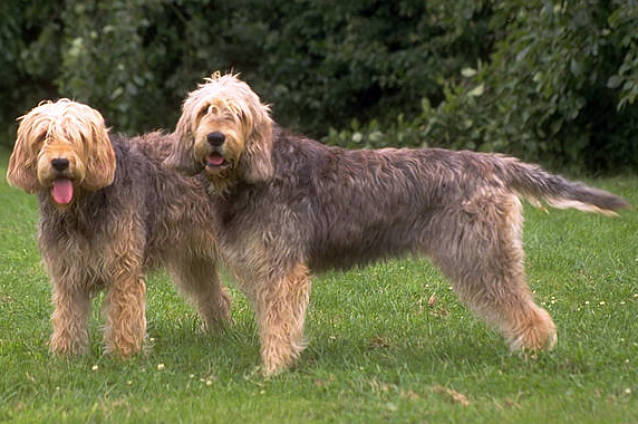
Photo: Wikimedia Commons
Origin
United Kingdom
Lifespan
10–13 years
Weight
30–52 kg (65–115 lbs)
Height
61–69 cm (24–27 in)
Diet
Omnivore — active large-breed quality formula
Taxonomic Hierarchy
Kingdom
Animalia
Phylum
Chordata
Class
Mammalia
Order
Carnivora
Family
Canidae
Genus
Canis
The Story
The Otterhound is one of the rarest dog breeds in existence, with fewer than 1,000 individuals worldwide and typically fewer than 50 puppies born in the UK annually. Developed in medieval England specifically to hunt otters (which were considered pests that depleted fish stocks), the Otterhound is a large, rough-coated, webbed-footed scent hound of tremendous nose and great athletic ability in water. When otter hunting was banned in Britain in 1978, the breed lost its purpose and numbers collapsed. It is now considered more at risk of extinction than giant pandas by the UK Kennel Club.
Also Known As
Quick Facts
Discover which pets match your lifestyle
Physical Profile
Source: wikimedia
The Otterhound is a large, rough-coated scent hound with a massive, rough-coated head framed by long, floppy ears, a deep chest, and webbed feet that make it a powerful swimmer. The coat is dense, rough, and water-resistant — of uneven length, forming a profuse beard and moustache. Colours include grizzle, sandy, red, wheaten, and blue in various hound patterns. The overall impression is of a cheerful, shaggy, powerful hound.
Grooming
Moderate
Shedding
Moderate
Coat Colors
Recognized By
Source: wikimedia
Temperament & Personality
Otterhounds are boisterous, amiable, and independent — natural pack hounds that are friendly with everyone but profoundly guided by their nose above all else. They are not ideal obedience dogs. They are enthusiastic swimmers and will seek water with determination. Their deep, melodic voice is impressive and carries considerable distance. They are good-natured and sociable.
Living Profile
Care & Wellness
Professional Care Protocol
- •Daily vigorous exercise including swimming where possible. The rough coat requires brushing 2–3 times weekly; the beard requires regular cleaning. All exercise should be on leash or in securely fenced areas — their nose will carry them considerable distances.
Vaccination Schedule
Vaccination Schedule
Health Overview
Hip and elbow dysplasia are significant. Thrombasthenia (a platelet disorder causing bleeding) is unique to Otterhounds with a DNA test available. Bloat/GDV is a risk in this deep-chested breed. Epilepsy is elevated.
Common Conditions
Fun Facts
The Otterhound is considered more endangered than the giant panda by the UK Kennel Club — with fewer than 1,000 individuals worldwide, it is one of the most critically rare breeds in existence.
The breed's webbed feet are so well-developed that Otterhounds were used in water rescue as well as otter hunting — their swimming ability and water-resistant coat making them exceptional aquatic athletes.
When otter hunting was banned in Britain in 1978 — largely because otters themselves had become endangered — the Otterhound lost its entire working purpose simultaneously, contributing directly to the breed's subsequent decline.


