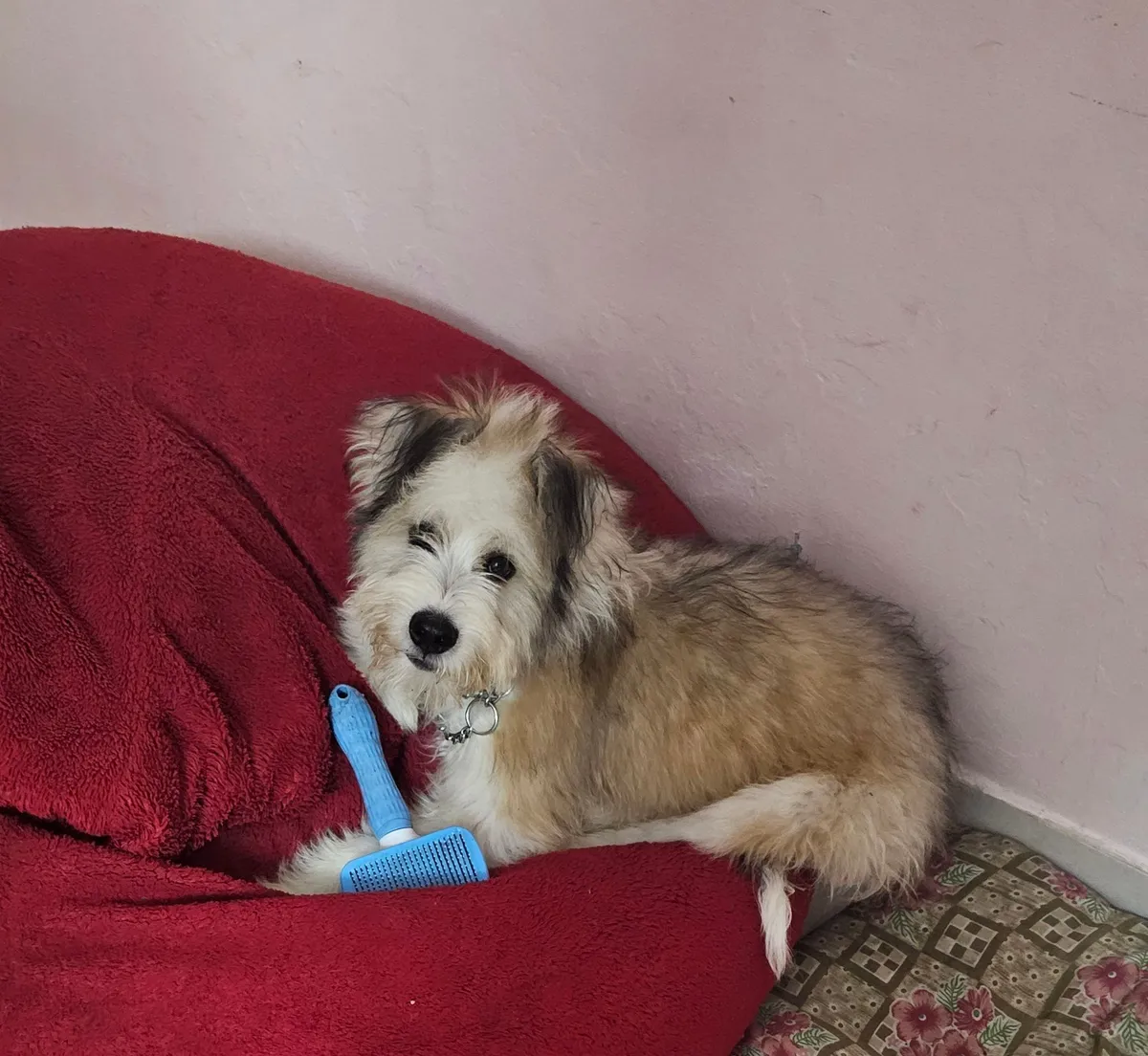

Lhasa Apso
The Lhasa Apso is an ancient Tibetan breed whose name literally translates as "Bark Lion Sentinel Dog" — reflecting its historical role as an indoor sentinel in Tibetan Buddhist monasteries and palaces.

Photo: Wikimedia Commons
Origin
Tibet
Lifespan
12–15 years
Weight
5–8 kg (12–18 lbs)
Height
25–28 cm (10–11 in)
Exercise
20 to 30 min/day
Diet
Omnivore — quality small-breed kibble
Taxonomic Hierarchy
Kingdom
Animalia
Phylum
Chordata
Class
Mammalia
Order
Carnivora
Family
Canidae
Genus
Canis
The Story
The Lhasa Apso is an ancient Tibetan breed whose name literally translates as "Bark Lion Sentinel Dog" — reflecting its historical role as an indoor sentinel in Tibetan Buddhist monasteries and palaces. The breed was considered sacred and owning one was considered good luck; they were never sold but only given as gifts by the Dalai Lama to honoured recipients. Despite their small size, they are assertive, independent, and have a watchful nature quite different from typical toy lap dogs.
Also Known As
Quick Facts
Discover which pets match your lifestyle
Physical Profile
Source: wikimedia
The Lhasa Apso is covered from head to tail in a long, heavy, hard-textured double coat that parts down the centre of the back and falls to the floor in show dogs. The face is framed by thick hair falling forward over the eyes. Pet owners typically keep the coat in a shorter practical trim.
Grooming
Very High
Shedding
Low
Brushing
Daily
Bathing
Every-2-3-Weeks
Coat Colors
Recognized By
Source: wikimedia
Temperament & Personality
Lhasas are independent, confident, and assertive — they do not behave like submissive lap dogs. They bond to their family but on their own terms and are naturally wary of strangers. They are excellent indoor watchdogs with a sharp, persistent bark. They can be snappy when approached by unfamiliar children or handled roughly.
Personality Scores
Adaptability
5/5Attention Need
3/5Friendliness
3/5Playfulness
3/5Protectiveness
4/5Living Profile
Ideal Space
Apartment
Daily Exercise
20 to 30 min/day
Ideal Weather
5°C to 28°C
Cognitive Benchmarks
Adaptability
50%
Attention
30%
Playfulness
30%
Communication Style
Stress Signals
aloofness, growling, hiding, barking at strangers, appetite changes
Care & Wellness
Professional Care Protocol
- •Moderate daily exercise of 20–30 minutes. The long show coat requires daily brushing and professional grooming every 4–6 weeks. Eye care is important — the hair over the face can irritate the eyes.
Nutrition Notes
Renal dysplasia (kidney underdevelopment) is breed-specific — protein levels may need adjustment if diagnosed. Dental disease common in small breeds. Small-breed formula. Moderate food drive; not usually prone to overeating.
Vaccination Schedule
Vaccination Schedule
Senior Care
One of the longest-lived breeds (12-18 years, some reaching 20+). Renal dysplasia — kidney function monitoring from purchase. Cherry eye. Dry eye (KCS). Progressive retinal atrophy. Dental disease — regular cleaning essential. "Sentinel dog of Tibet" — bred to alert monks to intruders. Aloof with strangers is normal, not a temperament flaw.
Wellbeing Activities
Nutrition & Sustenance
Daily Calories (Adult)
500 kcal
Daily Calories (Young)
350 kcal
Recommended Foods
Foods to Avoid
Health Overview
Progressive Retinal Atrophy occurs. Renal cortical hypoplasia (a kidney condition) occurs in some lines. Hip dysplasia is relatively uncommon. They are one of the longest-lived small breeds.
Common Conditions
Price Estimates
Pricing Guide
Average estimates as of 2025
Popular in India — good availability. Grooming costs significant (daily maintenance). Full show coat is stunning but impractical — most owners use puppy cut. Distinguished from Shih Tzu by narrower muzzle, harder expression, and more independent personality.
Purchase Price
$800 to $2,000
Adoption Fee
$100 to $350
Data from 2025
Fun Facts
The Dalai Lama traditionally gave Lhasa Apsos as gifts to visiting dignitaries — the first Lhasas to reach the United States were given by the 13th Dalai Lama to Suydam Cutting in 1933.
In Tibetan Buddhist belief, the souls of deceased lamas may inhabit Lhasa Apsos while awaiting reincarnation.
Despite being classified as a companion breed, the Lhasa Apso was bred and used as a working sentinel dog.