

Greyhound
The Greyhound is one of the oldest breeds in recorded history, depicted in Egyptian tomb paintings from 2900 BCE, mentioned in the Bible, and celebrated in the poetry of Shakespeare and Chaucer.
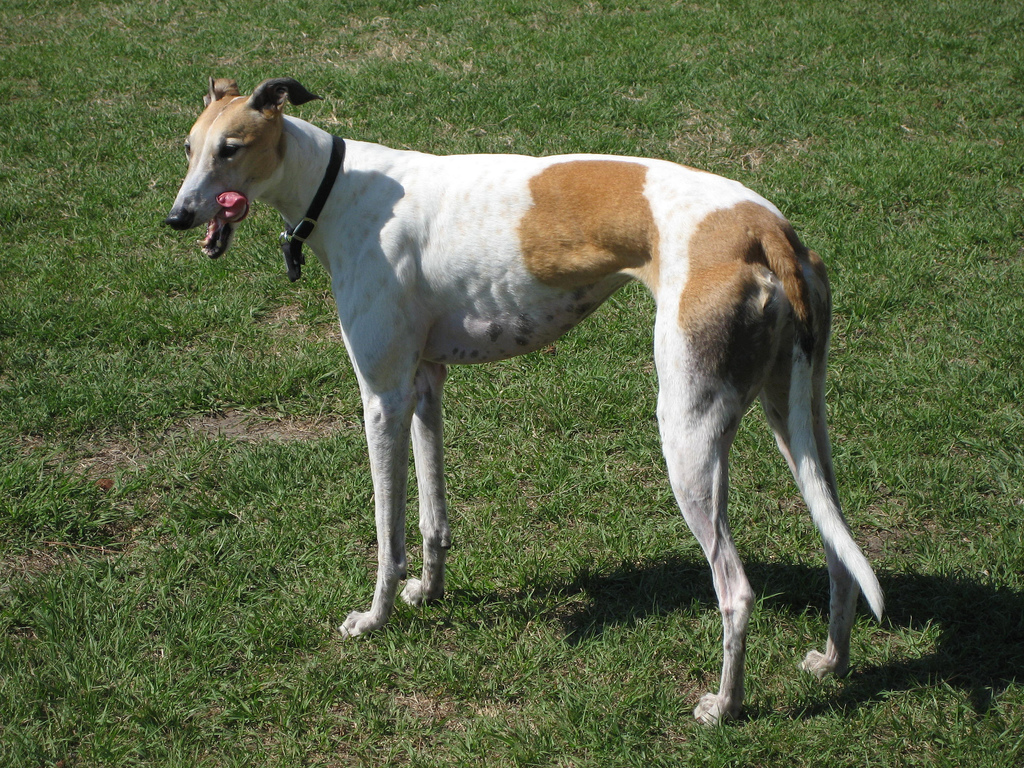
Photo: Wikimedia Commons
Origin
United Kingdom
Lifespan
10–14 years
Weight
27–40 kg (60–88 lbs)
Height
67–76 cm (27–30 in)
Exercise
20 to 40 min/day
Diet
Omnivore — active breed kibble for large breeds; racing dogs have very high caloric needs; retired racers often need gradual dietary adjustment
Taxonomic Hierarchy
Kingdom
Animalia
Phylum
Chordata
Class
Mammalia
Order
Carnivora
Family
Canidae
Genus
Canis
The Story
The Greyhound is one of the oldest breeds in recorded history, depicted in Egyptian tomb paintings from 2900 BCE, mentioned in the Bible, and celebrated in the poetry of Shakespeare and Chaucer. The fastest dog breed in the world, reaching 72 km/h (45 mph), the Greyhound was bred exclusively for speed and coursing over thousands of years. In the modern era, they have been used extensively in track racing — a practice that results in large numbers of retired racing Greyhounds needing homes each year. Retired racers have become enormously popular as gentle, low-maintenance companions — often described as the "45 mph couch potatoes" for their combination of explosive speed and remarkable home-body nature.
Also Known As
Quick Facts
Discover which pets match your lifestyle
Physical Profile
Source: wikimedia
The Greyhound is the aerodynamic ideal — a deep chest, narrow waist, long lean legs, and a flexible spine that acts as a spring during the double-suspension gallop. The skin is thin and the coat very short and fine. Muscle definition is clearly visible — prominent ribs and hip bones are normal and should not be mistaken for underweight condition. The long, narrow head tapers elegantly.
Grooming
Low
Shedding
Low
Brushing
1x-Weekly
Bathing
Every-6-8-Weeks
Coat Colors
Recognized By
Source: wikimedia
Temperament & Personality
Retired racing Greyhounds are among the most gentle, adaptable, and easy-going large dogs. They are quiet indoors, affectionate without being demanding, and non-destructive when adequately exercised. Their prey drive can be very high — particularly toward small, fast-moving animals — but many individual Greyhounds learn to live peacefully with cats and small dogs. Their sensitivity requires gentle handling.
Personality Scores
Adaptability
4/5Attention Need
2/5Friendliness
4/5Playfulness
3/5Protectiveness
1/5Living Profile
Ideal Space
Apartment
Daily Exercise
20 to 40 min/day
Ideal Weather
5°C to 30°C
Cognitive Benchmarks
Adaptability
40%
Attention
20%
Playfulness
30%
Communication Style
Stress Signals
freezing, tucked tail, trembling, nipping, space invading
Care & Wellness
Professional Care Protocol
- •Two thirty-minute runs per day in a safely fenced area provide sufficient exercise for most Greyhounds. They have explosive speed but tire quickly and prefer to sprint than jog. Their thin coat and minimal body fat make them very sensitive to cold — a coat is essential for outdoor activity in cold weather. The coat requires almost no grooming. Greyhound-knowledgeable vets are important for anaesthesia.
Nutrition Notes
Lean build is NORMAL — do not overfeed. Sighthound drug sensitivity (anaesthesia, flea treatments). Bloat risk due to deep chest — feed 2-3 meals. Retired racers may have different nutritional needs initially (transition from track diet slowly).
Vaccination Schedule
Vaccination Schedule
Senior Care
Osteosarcoma elevated. Sighthound-specific blood values (higher red blood cells, lower platelets/WBC — normal for the breed, not pathological). Bloat. Dental disease in ex-racers. Neuropathy. The fastest dog breed (72 km/h). Retired racers make excellent pets — calm, gentle, low exercise needs.
Wellbeing Activities
Nutrition & Sustenance
Daily Calories (Adult)
1400 kcal
Daily Calories (Young)
1000 kcal
Recommended Foods
Foods to Avoid
Health Overview
Greyhounds have several unique health characteristics. Dilated cardiomyopathy occurs at elevated rates. They are extremely sensitive to anaesthetics due to low body fat. Their normal blood values differ from other breeds — Greyhound-specific reference ranges are important. Osteosarcoma affects the breed. Bloat/GDV is a risk. Dental disease is common — they benefit from regular dental care.
Common Conditions
Price Estimates
Pricing Guide
Average estimates as of 2025
Retired racers available for adoption at very low cost ($50-300) — excellent pets. Racing ban in many jurisdictions increasing availability. Despite speed, one of the lowest exercise-need breeds. India: rare as pets.
Purchase Price
$800 to $2,000
Adoption Fee
$50 to $350
Data from 2025
Fun Facts
The Greyhound is the fastest dog breed in the world, reaching speeds of 72 km/h (45 mph) — faster than a thoroughbred racehorse over short distances.
The Greyhound is the only breed mentioned by name in the King James Bible (Proverbs 30:31) — "a greyhound; a he goat also; and a king, against whom there is no rising up."
Retired racing Greyhounds are increasingly popular as pets — many Greyhound adoption organisations exist worldwide to rehome ex-racers, and adopters consistently express surprise at how calm and gentle they are indoors.
The Greyhound's heart is proportionally the largest of any dog breed — and their resting heart rates can be so low that vets unfamiliar with the breed may mistake them for cardiac abnormalities.


