

Dalmatian
The Dalmatian is one of the most visually iconic dog breeds in the world, instantly recognisable for its white coat covered in black or liver spots.
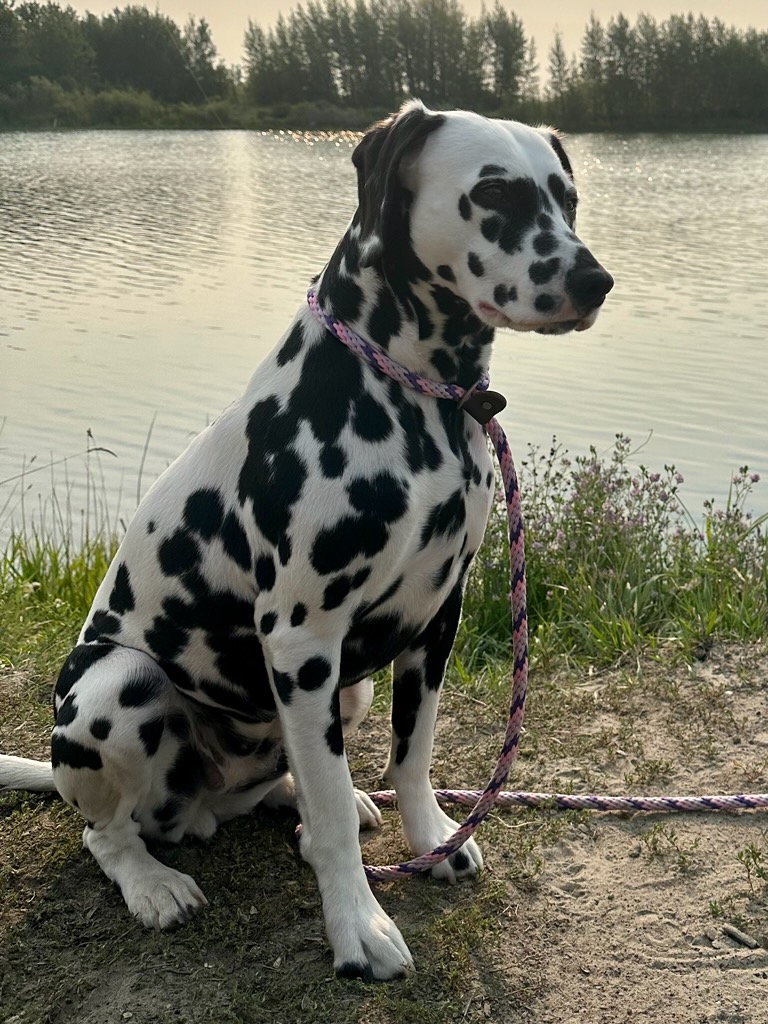
Photo: Wikimedia Commons
Origin
Croatia
Lifespan
11–13 years
Weight
23–27 kg (50–60 lbs)
Height
56–61 cm (22–24 in)
Exercise
60 to 90 min/day
Diet
Omnivore — low-purine diet is medically important due to uric acid metabolism; avoid organ meats and high-purine foods
Taxonomic Hierarchy
Kingdom
Animalia
Phylum
Chordata
Class
Mammalia
Order
Carnivora
Family
Canidae
Genus
Canis
The Story
The Dalmatian is one of the most visually iconic dog breeds in the world, instantly recognisable for its white coat covered in black or liver spots. The breed's origin is genuinely mysterious — spotted dogs appear in Egyptian friezes and Croatian church frescoes, yet the breed was standardised in England. Their historical roles were extraordinarily diverse — carriage dogs trotting under coaches, firehouse dogs running alongside horse-drawn fire wagons, hunting dogs, circus performers, and military sentinels. Today the Dalmatian's reputation was forever shaped by Dodie Smith's novel and Disney's film 101 Dalmatians — a double-edged association that has both popularised and harmed the breed through impulse buying.
Also Known As
Quick Facts
Discover which pets match your lifestyle
Physical Profile
Source: wikimedia
The Dalmatian's white coat covered in well-defined, round spots is unmistakeable. Puppies are born pure white — spots develop from 2 weeks of age onwards and continue developing until approximately 18 months. The body is lean, muscular, and athletic. The expression is intelligent and alert. The short, dense coat sheds year-round despite its short length.
Grooming
Low
Shedding
High
Brushing
2-3x-Weekly
Bathing
Every-6-8-Weeks
Coat Colors
Recognized By
Source: wikimedia
Temperament & Personality
Dalmatians are high-energy, intelligent, and sensitive dogs with a stubborn streak. They were bred to run distances alongside horse-drawn coaches all day — their endurance and stamina is extraordinary. Without adequate exercise, they become destructive, hyperactive, and difficult to live with. They are sensitive to harsh treatment and respond best to positive, consistent training. The 101 Dalmatians effect brought many puppies into homes that were completely unprepared for the breed's energy requirements, contributing to high abandonment rates.
Personality Scores
Adaptability
3/5Attention Need
4/5Friendliness
4/5Playfulness
5/5Protectiveness
3/5Living Profile
Ideal Space
House-Large-Garden
Daily Exercise
60 to 90 min/day
Ideal Weather
5°C to 30°C
Cognitive Benchmarks
Adaptability
30%
Attention
40%
Playfulness
50%
Communication Style
Stress Signals
excessive energy, destructive behaviour, barking, jumping, pacing
Care & Wellness
Professional Care Protocol
- •Dalmatians need 2+ hours of vigorous exercise daily. Running, cycling, and dog sports are ideal. The short coat sheds surprisingly heavily — weekly brushing and de-shedding treatments help. Diet is important — Dalmatians have a unique metabolic quirk that causes them to excrete uric acid (not allantoin) in their urine, predisposing to uric acid bladder stones. A low-purine diet avoiding organ meats, anchovies, and very high-protein foods is important throughout life.
Nutrition Notes
UNIQUE DIETARY REQUIREMENT: Dalmatians have a genetic inability to fully metabolise purines (uric acid). LOW-PURINE DIET is mandatory — avoid organ meats, game, sardines, anchovies, yeast. High water intake essential to prevent urate stones. This is the most critical breed-specific dietary requirement of any dog breed.
Vaccination Schedule
Vaccination Schedule
Senior Care
Deafness is the #1 breed issue — 30% unilaterally deaf, 5% bilaterally deaf. BAER test ALL puppies. Urate stones lifelong — low-purine diet is forever. Hip dysplasia. Iris sphincter dysplasia (unique to Dalmatians). Laryngeal paralysis in older dogs. "101 Dalmatians" caused irresponsible breeding boom — choose breeder carefully.
Wellbeing Activities
Nutrition & Sustenance
Daily Calories (Adult)
1400 kcal
Daily Calories (Young)
1000 kcal
Recommended Foods
Foods to Avoid
Health Overview
Deafness is the most significant breed health issue — approximately 30% of Dalmatians are deaf in one or both ears, caused by the piebald gene associated with their spotting. BAER (Brainstem Auditory Evoked Response) testing is essential for all breeding dogs and puppies. Urolithiasis (bladder stones) due to uric acid metabolism is uniquely common. Hip dysplasia occurs.
Common Conditions
Price Estimates
Pricing Guide
Average estimates as of 2025
BAER-tested (hearing) puppies command premium and are worth it. Born pure white — spots develop at 2-3 weeks. Liver-spotted and lemon exist alongside classic black-spotted. High surrender rate due to exercise needs and deafness.
Purchase Price
$800 to $2,000
Adoption Fee
$100 to $400
Data from 2025
Fun Facts
Approximately 30% of all Dalmatians are deaf in one or both ears — caused by the same piebald gene responsible for their spotted coat. Dogs with blue eyes or extensive white patches have higher rates of deafness.
101 Dalmatians, both the novel (1956) and Disney film (1961), caused dramatic spikes in Dalmatian registrations — followed by dramatic spikes in abandonments as unprepared owners discovered the breed's true exercise requirements.
Dalmatians are the only breed with a fully documented unique metabolic pathway — they are the only dog breed that produces uric acid (rather than allantoin) as a metabolic end product, a trait shared otherwise only with great apes and humans.
Dalmatians historically served as firehouse dogs — running ahead of horse-drawn fire wagons to clear traffic, then guarding the equipment at the scene. Many firehouses still keep a Dalmatian as a mascot in honour of this tradition.


