

Saluki
The Saluki is one of the oldest domestic dog breeds — images matching the Saluki appear in Sumerian carvings dating to 7,000 BCE, and Saluki-type dogs were mummified alongside pharaohs in ancient Egypt.
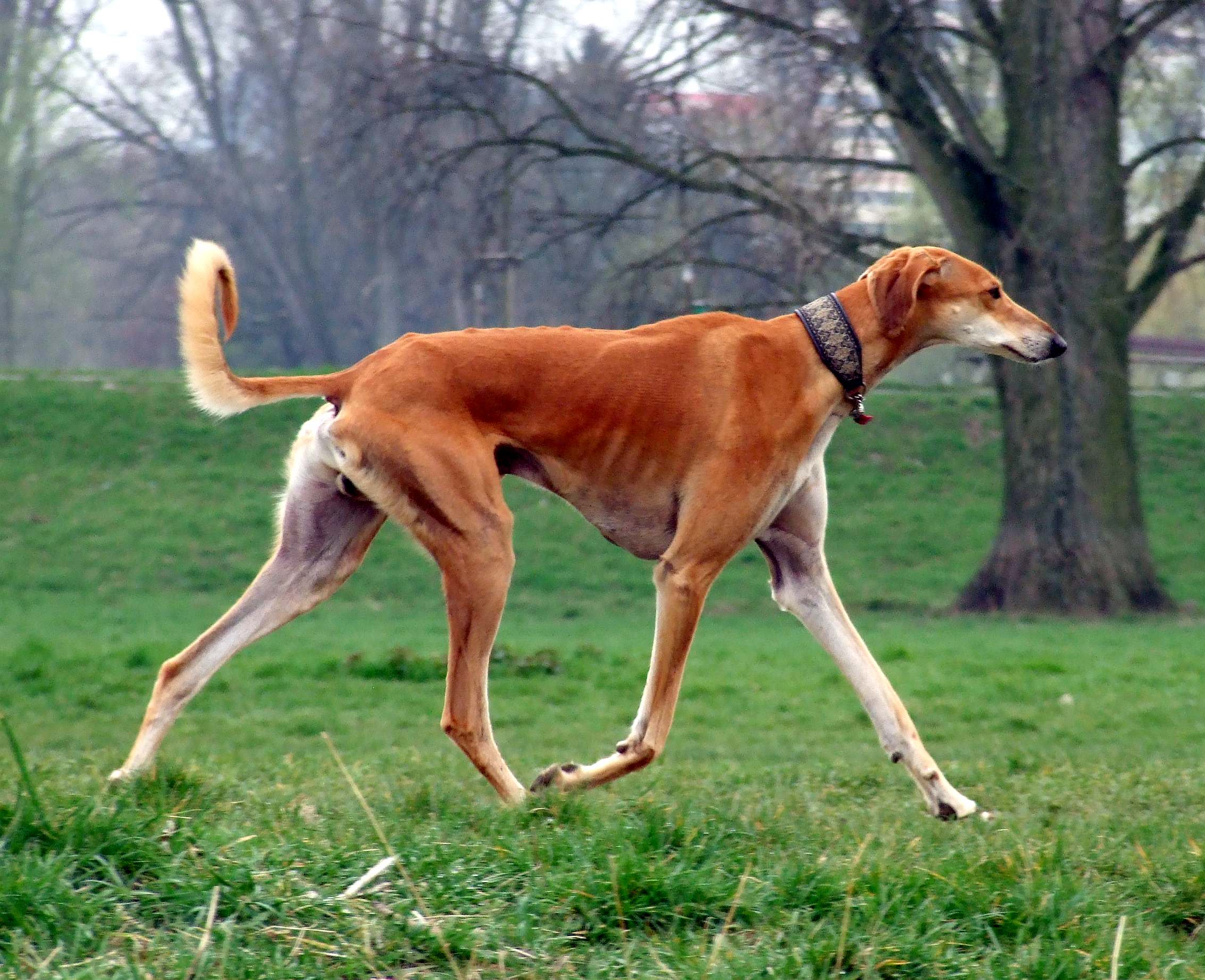
Photo: Wikimedia Commons
Origin
Iran
Lifespan
12–14 years
Weight
18–27 kg (40–60 lbs)
Height
58–71 cm (23–28 in)
Exercise
30 to 60 min/day
Diet
Obligate carnivore tendency — high-protein diet. Sighthound anaesthetic sensitivity critical.
Taxonomic Hierarchy
Kingdom
Animalia
Phylum
Chordata
Class
Mammalia
Order
Carnivora
Family
Canidae
Genus
Canis
The Story
The Saluki is one of the oldest domestic dog breeds — images matching the Saluki appear in Sumerian carvings dating to 7,000 BCE, and Saluki-type dogs were mummified alongside pharaohs in ancient Egypt. The Saluki was the hunting dog of nomadic peoples across the entire Fertile Crescent and Arabian Peninsula — used for coursing gazelle, hare, and fox over vast distances at speeds up to 65 km/h. It was considered "el hor" (the noble one) by Arab and Persian peoples — so noble that it was never sold, only gifted. The Saluki exists in two coat varieties: the smooth and the feathered (with long silky fringes on the ears, legs, and tail).
Also Known As
Quick Facts
Discover which pets match your lifestyle
Physical Profile
Source: wikimedia
A tall, elegant, deep-chested sighthound of great refinement — long, narrow head with large, dark, gentle eyes and long, silky pendant ears. The body is lean and muscular. The feathered variety has long, silky fringes on the ears, legs, and tail. The overall impression is of aristocratic elegance and contained power.
Grooming
Moderate
Shedding
Low
Brushing
1-2x-Weekly
Bathing
Every-6-8-Weeks
Coat Colors
Recognized By
Source: wikimedia
Temperament & Personality
Loyal to family, aloof with strangers — the Saluki is a typical sighthound. Deeply bonded to its person. Independent and not reliably obedient in the conventional sense. Strong prey drive means it cannot be trusted off-lead in open areas. Gentle and sensitive.
Personality Scores
Adaptability
3/5Attention Need
2/5Friendliness
3/5Playfulness
3/5Protectiveness
2/5Living Profile
Ideal Space
House-Large-Garden
Daily Exercise
30 to 60 min/day
Ideal Weather
5°C to 35°C
Cognitive Benchmarks
Adaptability
30%
Attention
20%
Playfulness
30%
Communication Style
Stress Signals
aloofness, escape attempts, refusing food, hiding, trembling
Care & Wellness
Professional Care Protocol
- •2+ hours exercise daily with free running in a secure enclosure. Sighthound anaesthetic sensitivity — critical to inform every vet. Cold sensitive. The feathered coat requires brushing 2–3 times weekly to prevent ear tangles.
Nutrition Notes
Lean build is NORMAL — even thinner than other sighthounds. Do not overfeed. Sighthound anaesthesia sensitivity. Heart disease (arrhythmias, valve disease) — heart-supportive diet (taurine, omega-3). Very picky eaters — may need food rotation.
Vaccination Schedule
Vaccination Schedule
Senior Care
Heart disease (mitral valve, arrhythmias) — cardiac screening recommended. Hemangiosarcoma rates elevated. Hypothyroidism. Psychogenic polydipsia (stress-related excessive drinking). One of the oldest breeds (7,000+ year history, Mesopotamia). Only dog allowed inside Bedouin tents. 12-14 years.
Wellbeing Activities
Nutrition & Sustenance
Daily Calories (Adult)
1200 kcal
Daily Calories (Young)
900 kcal
Recommended Foods
Foods to Avoid
Health Overview
Cardiac disease (dilated cardiomyopathy) — elevated in the breed. Sighthound anaesthetic sensitivity. Hip dysplasia at low rates. Autoimmune conditions. Progressive retinal atrophy. Generally healthy and long-lived for a sighthound.
Common Conditions
Price Estimates
Pricing Guide
Average estimates as of 2025
Rare breed globally. Feathered and smooth varieties. India: very rare, mostly imported. Suits warm Indian climate well. Not a breed for first-time owners.
Purchase Price
$1,500 to $3,500
Adoption Fee
$100 to $400
Data from 2025
Fun Facts
The Saluki is depicted in Sumerian carvings and artwork dating to 7,000 BCE — making it one of the best-documented ancient dog breeds in the archaeological record.
The Saluki was so revered in Arab culture that it was the only dog permitted to sleep inside the tent with the Bedouin family — all other dogs were considered "haram" (unclean) and kept outside, but the Saluki was considered "el hor" (the noble one) and treated with a status approaching that of a horse.


