

Peruvian Inca Orchid
The Peruvian Inca Orchid is one of the oldest breeds in the Americas, depicted in the pottery of pre-Columbian Peruvian cultures including the Moche (100–700 CE), Chimú, and Inca civilisations.
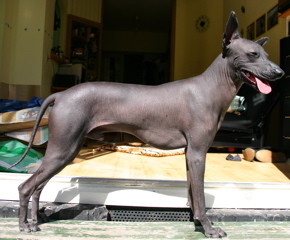
Photo: Wikimedia Commons
Origin
Peru
Lifespan
11–12 years
Weight
4–25 kg (8–55 lbs — three sizes)
Height
25–65 cm (10–26 in)
Exercise
30 to 45 min/day
Diet
Omnivore — size-appropriate quality kibble; sunscreen required for outdoor exposure
Taxonomic Hierarchy
Kingdom
Animalia
Phylum
Chordata
Class
Mammalia
Order
Carnivora
Family
Canidae
Genus
Canis
The Story
The Peruvian Inca Orchid is one of the oldest breeds in the Americas, depicted in the pottery of pre-Columbian Peruvian cultures including the Moche (100–700 CE), Chimú, and Inca civilisations. Named "Orchid Dog" by Spanish colonisers who reportedly found them kept indoors, where they bloomed like orchids in warm conditions. The hairless gene is dominant and produces the characteristic bare skin; a coated variety also exists. Like the Xoloitzcuintli of Mexico, the PIO was considered sacred and was reportedly used in healing practices — their warm hairless skin was applied to arthritic joints for relief.
Also Known As
Quick Facts
Discover which pets match your lifestyle
Physical Profile
Source: wikimedia
The Peruvian Inca Orchid comes in three sizes and two varieties (hairless and coated). The hairless variety has smooth, elastic skin in a variety of dark colours, often with pink mottling. The skin feels warm — close to human body temperature. The head is wedge-shaped with upright ears. The coated variety has a short, close-lying coat. The profile is elegant and sighthound-like.
Grooming
Low
Shedding
None
Brushing
1x-Weekly
Bathing
Every-1-2-Weeks
Coat Colors
Recognized By
Source: wikimedia
Temperament & Personality
PIOs are loyal, affectionate, and alert — they bond closely with their family and are somewhat reserved with strangers. They have a sensitive, gentle nature combined with a lively playfulness. Their hunting instinct is present but less extreme than in sighthounds. They are responsive to positive training and do well in active family environments.
Personality Scores
Adaptability
4/5Attention Need
4/5Friendliness
4/5Playfulness
4/5Protectiveness
3/5Living Profile
Ideal Space
House-Small-Garden
Daily Exercise
30 to 45 min/day
Ideal Weather
15°C to 30°C
Cognitive Benchmarks
Adaptability
40%
Attention
40%
Playfulness
40%
Communication Style
Stress Signals
wariness, hiding, trembling, clinginess, sun-avoidance
Care & Wellness
Professional Care Protocol
- •Daily vigorous exercise. The hairless skin requires SPF 30+ sunscreen for outdoor exposure and moisturising in dry or cold climates. They must live indoors and may benefit from a dog coat in cold weather. The coated variety needs minimal grooming.
Nutrition Notes
Same hairless gene / dental link as Xolo and Chinese Crested. Soft food may be needed. Skin care dietary support (omega-3/6). Three sizes.
Vaccination Schedule
Vaccination Schedule
Senior Care
Dental issues (hairless). Skin care lifelong — sunscreen essential (sunburn risk high). IBD in some lines. Epilepsy rare. Peru's national dog. Pre-Inca civilisation (3,000+ years). Three sizes. 12-14 years.
Wellbeing Activities
Nutrition & Sustenance
Daily Calories (Adult)
700 kcal
Daily Calories (Young)
400 kcal
Recommended Foods
Foods to Avoid
Health Overview
Dental abnormalities (missing teeth) linked to the hairless gene are common, as in all hairless breeds. Sunburn and skin cancer risk in the hairless variety. Generally healthy with few documented hereditary conditions beyond skin and dental issues.
Common Conditions
Price Estimates
Pricing Guide
Average estimates as of 2025
Extremely rare globally. Suits warm climates but needs sun protection. India: unavailable.
Purchase Price
$1,500 to $4,000
Adoption Fee
$100 to $500
Data from 2025
Fun Facts
Peruvian Inca Orchids are depicted on ceramic vessels from pre-Columbian Peru dating back to approximately 750 CE — making them among the most historically documented of all New World dog breeds.
The breed was designated a National Heritage breed by the Peruvian government in 2001 — they appear in pre-Columbian art more consistently than any other animal except llamas and alpacas.
Peruvian Inca Orchids have the same hairless gene mutation as Xoloitzcuintlis of Mexico — suggesting either a common ancient origin or independent mutation of the same gene in geographically separated populations.


