

Norwich Terrier
The Norwich Terrier is one of the smallest terrier breeds and was originally bred as a ratter and fox hunter in East Anglia.
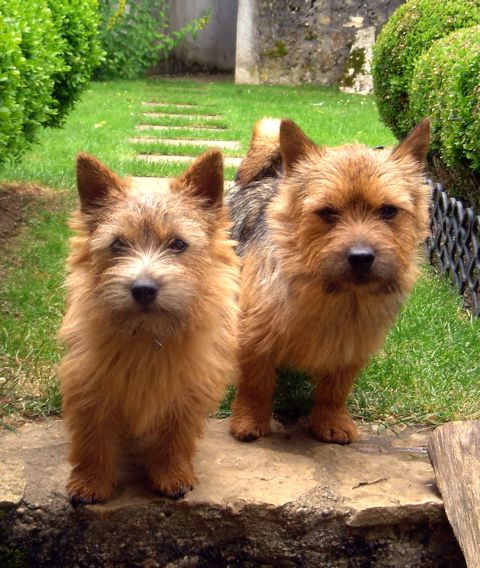
Photo: Wikimedia Commons
Origin
United Kingdom
Lifespan
12–15 years
Weight
5–5.4 kg (11–12 lbs)
Height
23–25 cm (9–10 in)
Exercise
20 to 30 min/day
Diet
Omnivore — quality small/toy breed kibble
Taxonomic Hierarchy
Kingdom
Animalia
Phylum
Chordata
Class
Mammalia
Order
Carnivora
Family
Canidae
Genus
Canis
The Story
The Norwich Terrier is one of the smallest terrier breeds and was originally bred as a ratter and fox hunter in East Anglia. Distinguished from the Norfolk Terrier by its upright (prick) ears — the Norfolk has drop ears. Both breeds were considered the same until the AKC separated them in 1979. The Norwich is among the smallest of working terrier breeds yet maintains every characteristic of working terrier temperament — fearless, tenacious, and spirited. They are notably more sociable and less dog-aggressive than many terrier breeds, making them a popular choice for those wanting a terrier temperament in a very small package.
Also Known As
Quick Facts
Discover which pets match your lifestyle
Physical Profile
Source: wikimedia
The Norwich Terrier is a tiny but sturdy dog with erect, triangular, pointed ears (the key distinction from the Norfolk Terrier which has drop ears). The coat is hard, wiry, and straight, with a slight mane on the neck and shoulders. The body is compact and nearly square. Colour varies — red is most common but black and tan, grizzle, and wheaten all occur.
Grooming
Moderate
Shedding
Low
Brushing
2-3x-Weekly
Bathing
Every-4-6-Weeks
Coat Colors
Recognized By
Source: wikimedia
Temperament & Personality
Norwich Terriers are fearless, cheerful, and sociable — they are typically more dog-friendly and people-friendly than most terrier breeds. They are affectionate with their family without being clingy. Their small size combined with terrier energy means they need more exercise than many toy breeds. They are curious and can be mischievous.
Personality Scores
Adaptability
5/5Attention Need
4/5Friendliness
5/5Playfulness
4/5Protectiveness
2/5Living Profile
Ideal Space
Apartment
Daily Exercise
20 to 30 min/day
Ideal Weather
0°C to 25°C
Cognitive Benchmarks
Adaptability
50%
Attention
40%
Playfulness
40%
Communication Style
Stress Signals
barking, digging, stubbornness, clinginess
Care & Wellness
Professional Care Protocol
- •Daily exercise of 30–45 minutes. The wiry coat requires hand-stripping twice yearly and brushing 2–3 times weekly. Dental care important in this small breed.
Nutrition Notes
Upper airway syndrome (not brachycephalic but elongated soft palate common). Generally healthy. Small-breed formula. Dental disease possible.
Vaccination Schedule
Vaccination Schedule
Senior Care
Upper airway syndrome (UAS) — elongated soft palate, everted laryngeal saccules. Affects up to 50% of Norwich Terriers. Epilepsy. Luxating patella. Mitral valve disease. Distinguished from Norfolk Terrier by ear position: Norwich = prick ears (witch's hat = witch = Norwich). 12-15 years.
Wellbeing Activities
Nutrition & Sustenance
Daily Calories (Adult)
450 kcal
Daily Calories (Young)
300 kcal
Recommended Foods
Foods to Avoid
Health Overview
Upper airway syndrome is a significant concern — Norwich Terriers have an elevated incidence of breathing difficulties related to their conformation. Hip dysplasia is rare. Epilepsy occurs in some lines.
Common Conditions
Price Estimates
Pricing Guide
Average estimates as of 2025
Prick ears (vs Norfolk's drop ears). UAS screening recommended. Expensive for a small terrier. India: unavailable.
Purchase Price
$1,500 to $3,500
Adoption Fee
$100 to $500
Data from 2025
Fun Facts
The Norwich Terrier appeared in the film Best in Show (2000) — the fictional "Busy Bee" was played by a Norwich Terrier, helping to raise the breed's profile.
Norwich and Norfolk Terriers were the same breed until 1979 when the AKC recognised them as separate breeds based solely on ear type — prick ears (Norwich) vs drop ears (Norfolk).
Despite their tiny size (under 6 kg), Norwich Terriers were used to bolt foxes from their earths — their courage in confronting foxes in confined underground spaces is remarkable for such a small dog.


