

Indian Pariah Dog
The Indian Pariah Dog (INDog) is one of the oldest domestic dog populations on Earth — a primitive, naturally selected dog that has lived alongside humans on the Indian subcontinent for at least 15,000 years.
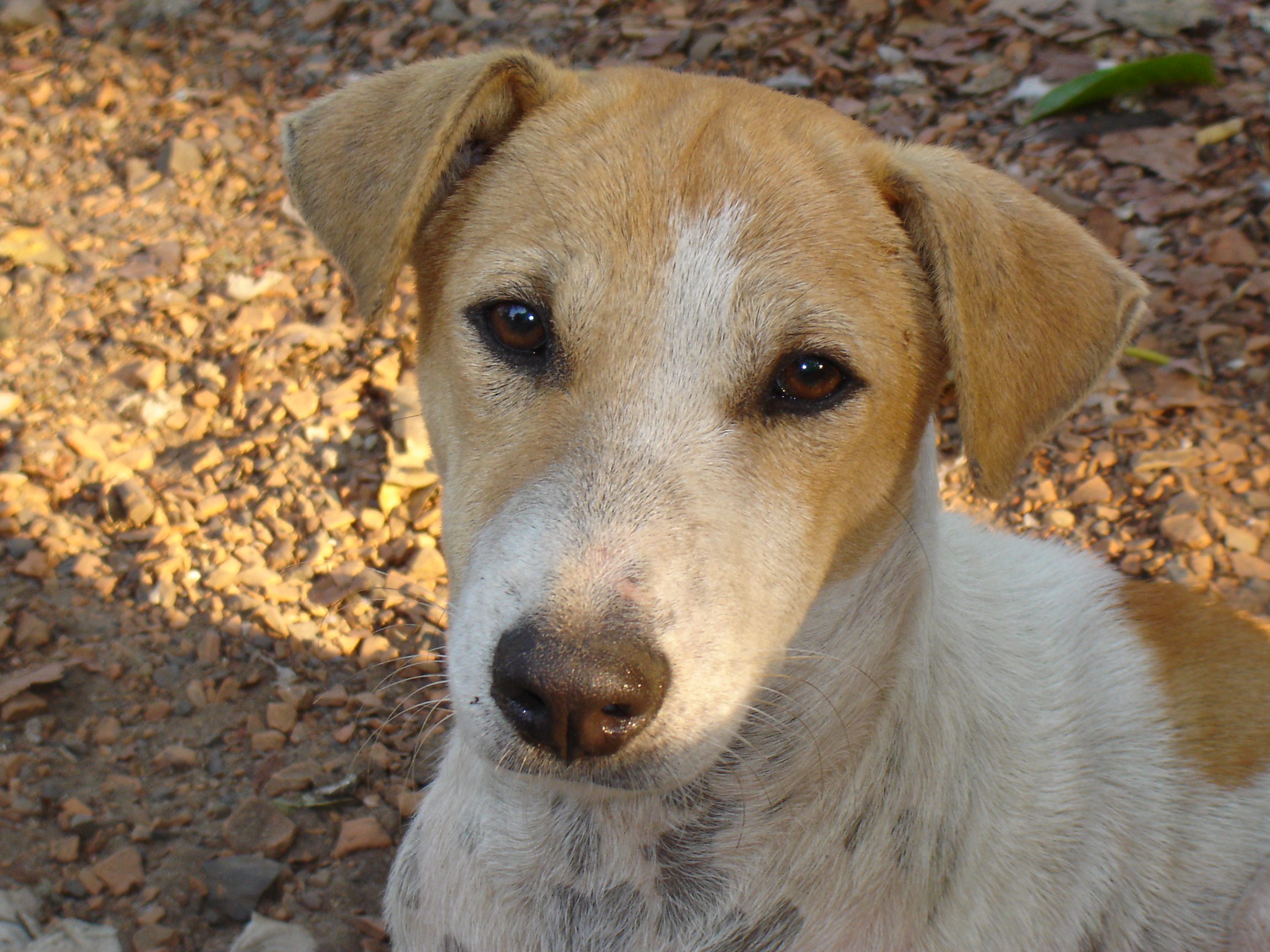
Photo: Wikimedia Commons
Origin
India
Lifespan
13–15 years
Weight
14–30 kg (31–66 lbs)
Height
46–64 cm (18–25 in)
Diet
Omnivore — adapted to varied diet. High-quality commercial food; they are excellent at self-regulating food intake. Avoid processed food heavy in carbohydrates.
Taxonomic Hierarchy
Kingdom
Animalia
Phylum
Chordata
Class
Mammalia
Order
Carnivora
Family
Canidae
Genus
Canis
The Story
The Indian Pariah Dog (INDog) is one of the oldest domestic dog populations on Earth — a primitive, naturally selected dog that has lived alongside humans on the Indian subcontinent for at least 15,000 years. DNA studies confirm that the INDog is among the most ancient of all domestic dog lineages, sharing genetic characteristics with the oldest known domestic dog populations. It is the ancestor of the Australian Dingo (which was brought to Australia by humans approximately 4,000 years ago from South Asia) and related to the Canaan Dog and other ancient Middle Eastern dog types. The INDog is highly intelligent, adaptable, and healthy — shaped by thousands of years of natural selection rather than human selective breeding.
Also Known As
Quick Facts
Discover which pets match your lifestyle
Physical Profile
Source: wikimedia
A medium-sized, lean, athletic dog of classic primitive dog type — wedge-shaped head, moderately erect ears (often slightly folded at the tip), almond-shaped eyes, a deep chest, and a sickle-shaped tail. The coat is short, dense, and most commonly fawn or pied fawn-and-white. The overall appearance is strikingly similar to primitive dog types across the world — the Carolina Dog, Australian Dingo, and Canaan Dog — reflecting shared ancient ancestry.
Grooming
Low
Shedding
Moderate
Coat Colors
Recognized By
Source: wikimedia
Temperament & Personality
Alert, intelligent, and loyal to their family unit. The INDog forms strong bonds with its adopted family but may be reserved or suspicious with strangers — this is a natural territorial response, not aggression. Highly adaptable to various living environments — they are comfortable in urban Indian settings as much as rural ones. They are trainable with positive reinforcement — often more so than some "purpose-bred" breeds.
Living Profile
Care & Wellness
Professional Care Protocol
- •1.5–2 hours exercise daily. Low grooming needs. Early socialisation with people and other animals is the most important investment. They do not respond well to harsh training — positive reinforcement and patience are key. Their intelligence means they learn quickly when motivated. In India, adopting from the millions of stray INDogs through rescue organisations is strongly encouraged over importing foreign breeds.
Vaccination Schedule
Vaccination Schedule
Health Overview
One of the healthiest domestic dog populations in the world — thousands of years of natural selection have eliminated weak genetic lines. Extremely low rates of hip dysplasia, eye conditions, and other hereditary diseases common in pedigree breeds. Standard preventive care (vaccination, parasite control, dental care) is the primary health need. Tick-borne disease prevention is particularly important in India.
Common Conditions
Fun Facts
DNA studies confirm the Indian Pariah Dog is the direct ancestor of the Australian Dingo — humans travelling from South Asia to Australia approximately 3,500–4,000 years ago brought dogs with them that were the ancestors of the modern Dingo. The INDog and the Dingo are effectively the same ancient lineage.
The Indian Pariah Dog has been living alongside humans on the Indian subcontinent for at least 15,000 years — making it one of the oldest continuously existing dog populations on Earth.
Neurological research has shown that the INDog's problem-solving abilities are among the highest of any domestic dog — they are better at independently solving novel problems (finding hidden food, opening containers) than many purpose-bred breeds, a cognitive advantage from thousands of years of natural selection in complex urban and rural environments.
Over 60 million stray INDogs live in India — making it one of the largest populations of any single dog type on Earth. Organisations like CUPA, PFA, and hundreds of local rescues work to adopt, neuter, and care for these dogs.


