

Golden Retriever
The Golden Retriever is one of the most recognisable and beloved dogs in the world, celebrated for its gentle temperament, intelligence, and stunning golden coat.
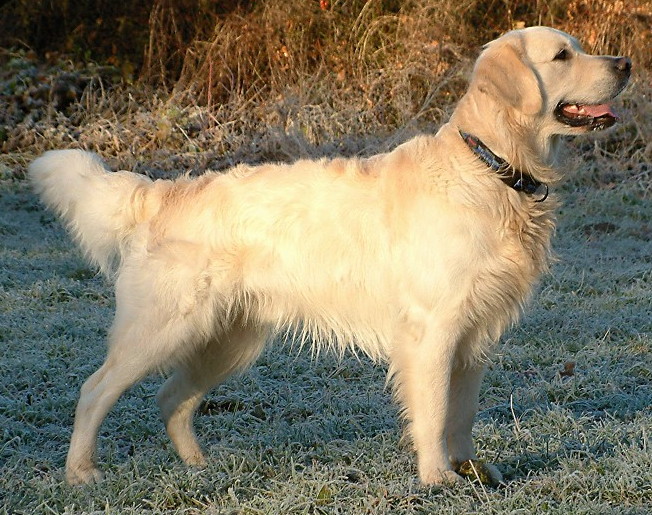
Photo: Wikimedia Commons
Origin
United Kingdom
Lifespan
10–12 years
Weight
25–34 kg (55–75 lbs)
Height
51–61 cm (20–24 in)
Exercise
60 to 120 min/day
Diet
Omnivore — high-quality kibble formulated for large active breeds
Taxonomic Hierarchy
Kingdom
Animalia
Phylum
Chordata
Class
Mammalia
Order
Carnivora
Family
Canidae
Genus
Canis
The Story
The Golden Retriever is one of the most recognisable and beloved dogs in the world, celebrated for its gentle temperament, intelligence, and stunning golden coat. Developed in the Scottish Highlands in the mid-19th century by Lord Tweedmouth, the breed was purpose-built to retrieve waterfowl from rough terrain and icy water. Today, Goldens are among the most versatile working dogs, excelling as guide dogs for the blind, hearing dogs for the deaf, search and rescue dogs, therapy dogs, and competitive athletes in obedience, agility, and field trials — while remaining quintessentially devoted family companions.
Also Known As
Quick Facts
Discover which pets match your lifestyle
Physical Profile
Source: wikimedia
The Golden Retriever is a well-proportioned, symmetrical dog of medium to large build, characterised by its rich, lustrous golden coat in shades ranging from cream to dark gold. The coat is dense and water-repellent with a thick undercoat, lying flat or wavy with feathering on the chest, underbody, backs of the legs, and tail. The head is broad and kind-looking, with friendly dark eyes and a straight muzzle. American Goldens tend to be darker and leaner; British and Canadian Goldens are often cream-coloured and stockier.
Grooming
High
Shedding
High
Brushing
3-4x-Weekly
Bathing
Every-6-8-Weeks
Coat Colors
Recognized By
Source: wikimedia
Temperament & Personality
The Golden Retriever is widely regarded as the gold standard of family dogs. Characteristically patient, devoted, and endlessly good-natured, they are one of the few breeds consistently described as incapable of aggression towards people. They form deep bonds with every member of their household and are famously gentle with small children. Their notable intelligence and eagerness to please makes training not just effective but genuinely enjoyable. Goldens have a persistent, joyful quality — they approach life with enthusiasm and retain a playful puppy spirit well into adulthood.
Personality Scores
Adaptability
4/5Attention Need
4/5Friendliness
5/5Playfulness
5/5Protectiveness
2/5Living Profile
Ideal Space
House-Small-Garden
Daily Exercise
60 to 120 min/day
Ideal Weather
0°C to 28°C
Cognitive Benchmarks
Adaptability
40%
Attention
40%
Playfulness
50%
Communication Style
Stress Signals
excessive shedding, whining, pacing, destructive chewing, paw licking
Care & Wellness
Professional Care Protocol
- •Golden Retrievers need significant daily exercise — a minimum of 1–2 hours — combining both physical activity and mental stimulation. They are natural swimmers and retrievers, and activities that engage these instincts (fetch, swimming, tracking games) are ideal. The dense double coat requires thorough brushing 2–3 times per week to prevent matting, with more frequent brushing during heavy shedding seasons in spring and autumn. Ears should be checked and cleaned weekly, and professional grooming every 6–8 weeks keeps the coat healthy and manageable. Like Labradors, Goldens are prone to overeating; meals should be measured and treats counted toward daily calorie intake.
Nutrition Notes
Cancer rates extremely high (60%+ of Goldens). Anti-inflammatory diet recommended — omega-3 rich. Avoid excessive weight. Skin allergies common; limited-ingredient diets may help.
Vaccination Schedule
Vaccination Schedule
Senior Care
Cancer screening annually from age 6 — hemangiosarcoma and lymphoma are leading causes of death. Joint supplements essential. Maintain moderate exercise. Cognitive enrichment to prevent canine cognitive dysfunction.
Wellbeing Activities
Nutrition & Sustenance
Daily Calories (Adult)
1500 kcal
Daily Calories (Young)
1200 kcal
Recommended Foods
Foods to Avoid
Health Overview
The Golden Retriever has a notably elevated rate of cancer compared to most breeds — studies suggest nearly 60% of Goldens will develop cancer in their lifetime, compared to about 25% in the general dog population. Hemangiosarcoma, osteosarcoma, lymphoma, and mast cell tumours are the most prevalent forms. Hip dysplasia, elbow dysplasia, and subvalvular aortic stenosis (a heart condition) are significant heritable concerns. Hypothyroidism and progressive retinal atrophy also occur. Annual vet examinations and OFA/cardiac certifications for breeding dogs are important.
Common Conditions
Price Estimates
Pricing Guide
Average estimates as of 2025
English Cream (white) Goldens command significant premium in USA/India despite no breed standard distinction. Health-tested parents (OFA hips/elbows/heart/eyes) add 30-50% to price.
Purchase Price
$1,000 to $3,000
Adoption Fee
$50 to $500
Data from 2025
Fun Facts
Golden Retrievers were officially bred from a cross between a yellow Flat-Coated Retriever, Tweed Water Spaniels (now extinct), Irish Setters, and a Bloodhound — a fact not confirmed until Lord Tweedmouth's gamebook was discovered in 1952.
Goldens are among the top breeds for cancer susceptibility globally; the Morris Animal Foundation has studied over 3,000 Golden Retrievers in a longitudinal lifetime health study to understand canine cancer.
The Golden Retriever holds numerous Guinness World Records, including "loudest bark by an individual dog" — a Golden named Charlie from Australia barked at 113.1 dB.
In the United States, Golden Retrievers have served as the White House pet three times across different presidencies.
Their mouth is so gentle — bred to retrieve game without damaging it — that well-trained Goldens can carry an egg in their mouth without breaking it.