

Dutch Shepherd
The Dutch Shepherd is often called "the best-kept secret in the working dog world" — comparable to the Belgian Malinois in drive, intelligence, and versatility but less well-known.
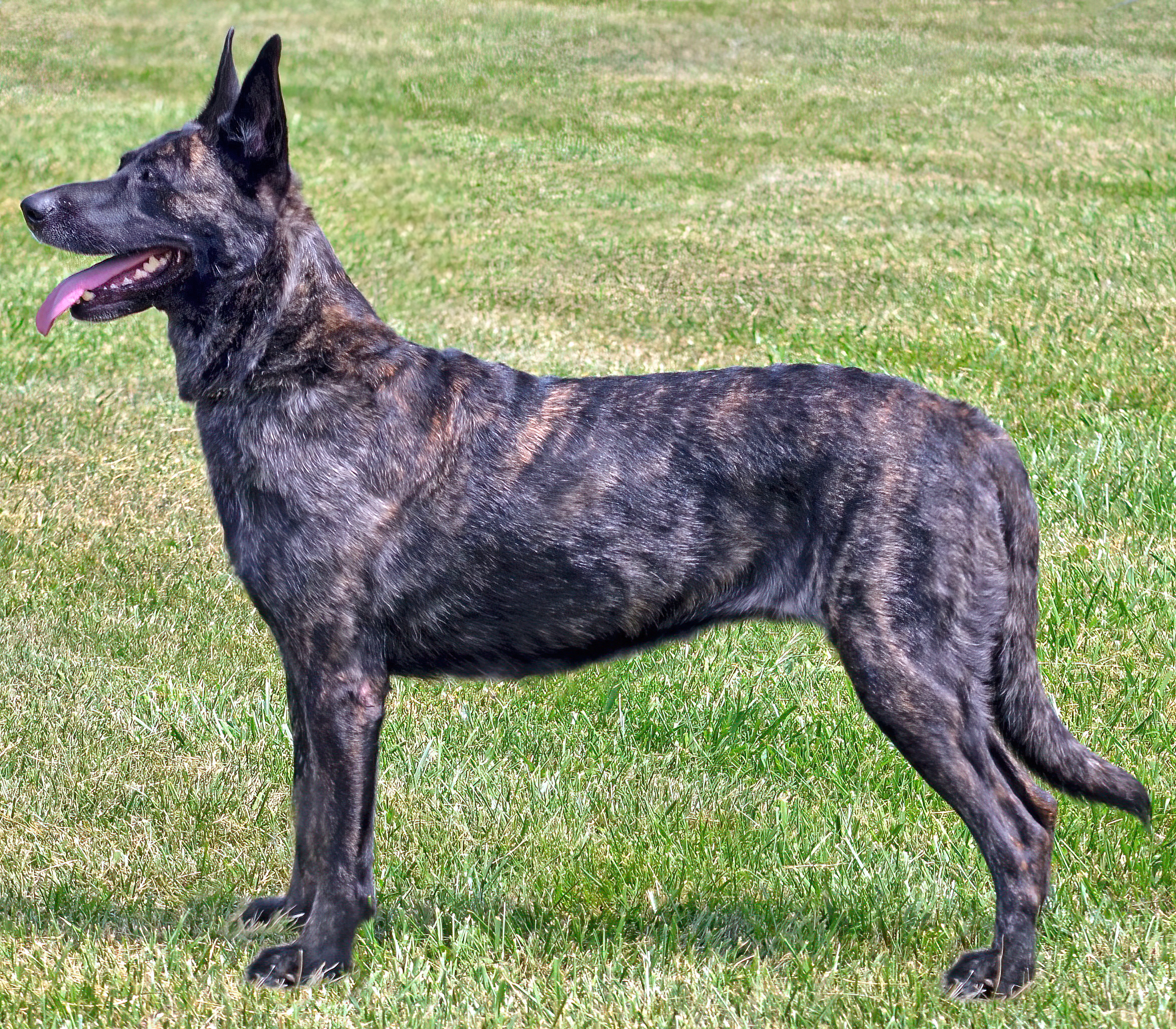
Photo: Wikimedia Commons
Origin
Netherlands
Lifespan
11–14 years
Weight
23–32 kg (50–70 lbs)
Height
55–62 cm (22–24 in)
Exercise
60 to 90 min/day
Diet
Omnivore — high-quality large breed food appropriate for a very active working dog.
Taxonomic Hierarchy
Kingdom
Animalia
Phylum
Chordata
Class
Mammalia
Order
Carnivora
Family
Canidae
Genus
Canis
The Story
The Dutch Shepherd is often called "the best-kept secret in the working dog world" — comparable to the Belgian Malinois in drive, intelligence, and versatility but less well-known. Used extensively by Dutch police, military, and search-and-rescue, the Dutch Shepherd is distinguished by its brindle coat (the only herding breed that only comes in brindle) and comes in three coat varieties: short-haired, long-haired, and rough-haired. It is increasingly sought by working dog professionals who appreciate its athleticism, trainability, and slightly more stable temperament than some Malinois lines.
Also Known As
Quick Facts
Discover which pets match your lifestyle
Physical Profile
Source: wikimedia
A medium-large, athletic, well-proportioned shepherd. The always-brindle coat — gold, silver, or blue-grey with dark stripes — distinguishes it immediately from any other herding breed. Three coat varieties exist: short (most common), long-haired, and rough-haired (rare). The head is lean and slightly wedge-shaped. Erect ears.
Grooming
Moderate
Shedding
Moderate
Brushing
2-3x-Weekly
Bathing
Every-6-8-Weeks
Coat Colors
Recognized By
Source: wikimedia
Temperament & Personality
Intelligent, versatile, and energetic — comparable to the Belgian Malinois in drive. Loyal and responsive to its handler. Alert and watchful. Needs a job. Excellent for police, military, sport, and service work. Requires experienced ownership due to high drive.
Personality Scores
Adaptability
3/5Attention Need
4/5Friendliness
3/5Playfulness
4/5Protectiveness
4/5Living Profile
Ideal Space
House-Large-Garden
Daily Exercise
60 to 90 min/day
Ideal Weather
-5°C to 28°C
Cognitive Benchmarks
Adaptability
30%
Attention
40%
Playfulness
40%
Communication Style
Stress Signals
destructive behaviour, excessive barking, pacing, herding, aggression when bored
Care & Wellness
Professional Care Protocol
- •2+ hours vigorous exercise daily. Mental stimulation is equally important as physical exercise. Thrives in dog sports — protection, agility, tracking, herding. Early socialisation essential. Not suitable for inactive households.
Nutrition Notes
High-energy working breed. Calorie-dense food when active. Joint supplements. GHD (goniodysgenesis/hereditary glaucoma) — DNA test available.
Vaccination Schedule
Vaccination Schedule
Senior Care
GHD (goniodysgenesis) — DNA test. Hip dysplasia. Inflammatory myopathy. Very healthy working breed overall. Always brindle (gold or silver). Three coat types: short, long, wire. Increasingly replacing Malinois in some police forces. 11-14 years.
Wellbeing Activities
Nutrition & Sustenance
Daily Calories (Adult)
1400 kcal
Daily Calories (Young)
1000 kcal
Recommended Foods
Foods to Avoid
Health Overview
Hip dysplasia. Degenerative myelopathy (DNA test available). Elbow dysplasia. Goniodysplasia (hereditary eye condition). Generally a healthy working breed.
Common Conditions
Price Estimates
Pricing Guide
Average estimates as of 2025
Always brindle. Replacing Malinois in some police forces. India: rare but growing for security work.
Purchase Price
$1,000 to $2,500
Adoption Fee
$100 to $400
Data from 2025
Fun Facts
The Dutch Shepherd is the only herding breed that only comes in brindle — no other coat colour is accepted by any of the major registries. The brindle pattern is consistent across all three coat varieties of the breed.
The Dutch Shepherd almost went extinct in the mid-20th century when Dutch agriculture mechanised and the breed's traditional herding role disappeared. It was saved by police and military adoption — the breed's working abilities found a new purpose in service and protection work.


