

Carolina Dog
The Carolina Dog is one of the oldest and most primitive dog populations in the Americas — a feral or semi-feral dog that has lived in the southeastern United States for thousands of years, thought to be descended from the dogs that crossed the Bering land bridge with the first human migrants to the Americas over 10,000 years ago.
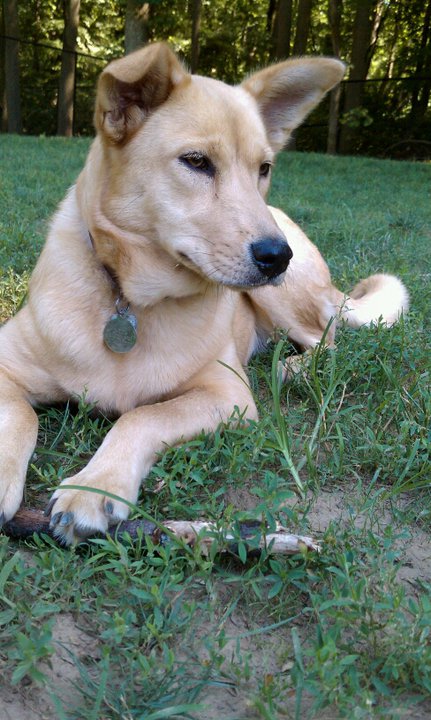
Photo: Wikimedia Commons
Origin
United States
Lifespan
12–15 years
Weight
15–30 kg (33–65 lbs)
Height
45–60 cm (18–24 in)
Exercise
30 to 45 min/day
Diet
Omnivore — high-quality food. Wild-type foraging instincts — does not overeat.
Taxonomic Hierarchy
Kingdom
Animalia
Phylum
Chordata
Class
Mammalia
Order
Carnivora
Family
Canidae
Genus
Canis
The Story
The Carolina Dog is one of the oldest and most primitive dog populations in the Americas — a feral or semi-feral dog that has lived in the southeastern United States for thousands of years, thought to be descended from the dogs that crossed the Bering land bridge with the first human migrants to the Americas over 10,000 years ago. DNA analysis confirms the Carolina Dog's ancient origin — it shares genetic markers with the Australian Dingo and other ancient dog populations. It was formally "discovered" by Dr. I. Lehr Brisbin Jr. in South Carolina in the 1970s. Domesticated Carolina Dogs are increasingly popular as pets but retain strong primitive instincts.
Also Known As
Quick Facts
Discover which pets match your lifestyle
Physical Profile
Source: wikimedia
A medium-sized, lean, athletic dog of primitive type — wedge-shaped head, erect ears, almond-shaped eyes, a deep chest, and a fish-hook or sickle tail. The coat is short, dense, and ginger or sable in the most common colouration. The overall appearance closely resembles the Dingo and other ancient primitive dog types.
Grooming
Low
Shedding
Moderate
Brushing
1x-Weekly
Bathing
Every-6-8-Weeks
Coat Colors
Recognized By
Source: wikimedia
Temperament & Personality
Alert, loyal to its pack (family), and shy with strangers. It bonds strongly with its group but is naturally cautious of the unknown. Intelligent and resourceful. Can be challenging to socialise fully as adults — early socialisation is critical.
Personality Scores
Adaptability
4/5Attention Need
2/5Friendliness
3/5Playfulness
3/5Protectiveness
3/5Living Profile
Ideal Space
House-Small-Garden
Daily Exercise
30 to 45 min/day
Ideal Weather
5°C to 35°C
Cognitive Benchmarks
Adaptability
40%
Attention
20%
Playfulness
30%
Communication Style
Stress Signals
shyness, flight response, digging (snout-pit digging behaviour unique to breed), wariness
Care & Wellness
Professional Care Protocol
- •1.5–2 hours exercise daily including off-lead running if safe. The primitive nature means recall can be unreliable — a secure enclosed area is important. Low grooming needs. Early socialisation with people and other animals essential.
Nutrition Notes
American Dingo — feral-origin primitive breed. Extremely few health issues. Very efficient metabolism. Hardy, adaptable diet. Suits warm climates naturally.
Vaccination Schedule
Vaccination Schedule
Senior Care
Remarkably few health issues — 10,000+ year feral-origin natural selection. Hip dysplasia rare. Sensitive to ivermectin in some individuals. Unique "snout pit" digging behaviour (digs small holes with nose — function unknown, possibly ancestral). AKC Foundation Stock Service. South Carolina swamps origin. 12-15 years.
Wellbeing Activities
Nutrition & Sustenance
Daily Calories (Adult)
900 kcal
Daily Calories (Young)
600 kcal
Recommended Foods
Foods to Avoid
Health Overview
Exceptionally healthy — thousands of years of natural selection have produced a robust, disease-resistant breed with very few hereditary conditions. One of the healthiest domestic dog populations documented. HCM and standard canine conditions at very low rates.
Common Conditions
Price Estimates
Pricing Guide
Average estimates as of 2025
American Dingo. Feral origin — very healthy. Suits Indian climate well. India: unavailable.
Purchase Price
$500 to $1,500
Adoption Fee
$50 to $300
Data from 2025
Fun Facts
DNA analysis of Carolina Dogs confirms they share ancient genetic markers with the Australian Dingo — both populations descended from the same ancient Asian dogs that accompanied human migrations. The Carolina Dog has been continuously present in North America for over 10,000 years.
Carolina Dogs display several primitive behaviours not commonly seen in domestic dogs: they dig "snout pits" — shallow holes they poke their noses into — and some individuals participate in communal pup-rearing where multiple females in a group nurse and care for each other's puppies.


