
Beagle
The Beagle is one of the most popular breeds in the world — a compact, merry scent hound that has been a beloved hunting companion and family pet for centuries.

Photo: Wikimedia Commons
Origin
United Kingdom
Lifespan
12–15 years
Weight
9–11 kg (20–25 lbs)
Height
33–38 cm (13–15 in)
Exercise
40 to 60 min/day
Diet
Omnivore — measured portions essential; Beagles are food-driven and prone to obesity
Taxonomic Hierarchy
Kingdom
Animalia
Phylum
Chordata
Class
Mammalia
Order
Carnivora
Family
Canidae
Genus
Canis
The Story
The Beagle is one of the most popular breeds in the world — a compact, merry scent hound that has been a beloved hunting companion and family pet for centuries. Bred to hunt rabbits and hare in packs, the Beagle has a nose that ranks among the most sensitive in the canine world, second only to the Bloodhound in some analyses. Their compact size, robust constitution, and cheerful temperament make them enduringly popular. They are the most widely used breed in medical research (a legacy that animal welfare advocates continue to campaign against), deployed at airports as narcotics and agricultural detection dogs, and serve as the face of one of fiction's most famous dogs — Charles Schulz's Snoopy.
Also Known As
Quick Facts
Discover which pets match your lifestyle
Physical Profile
Source: wikimedia
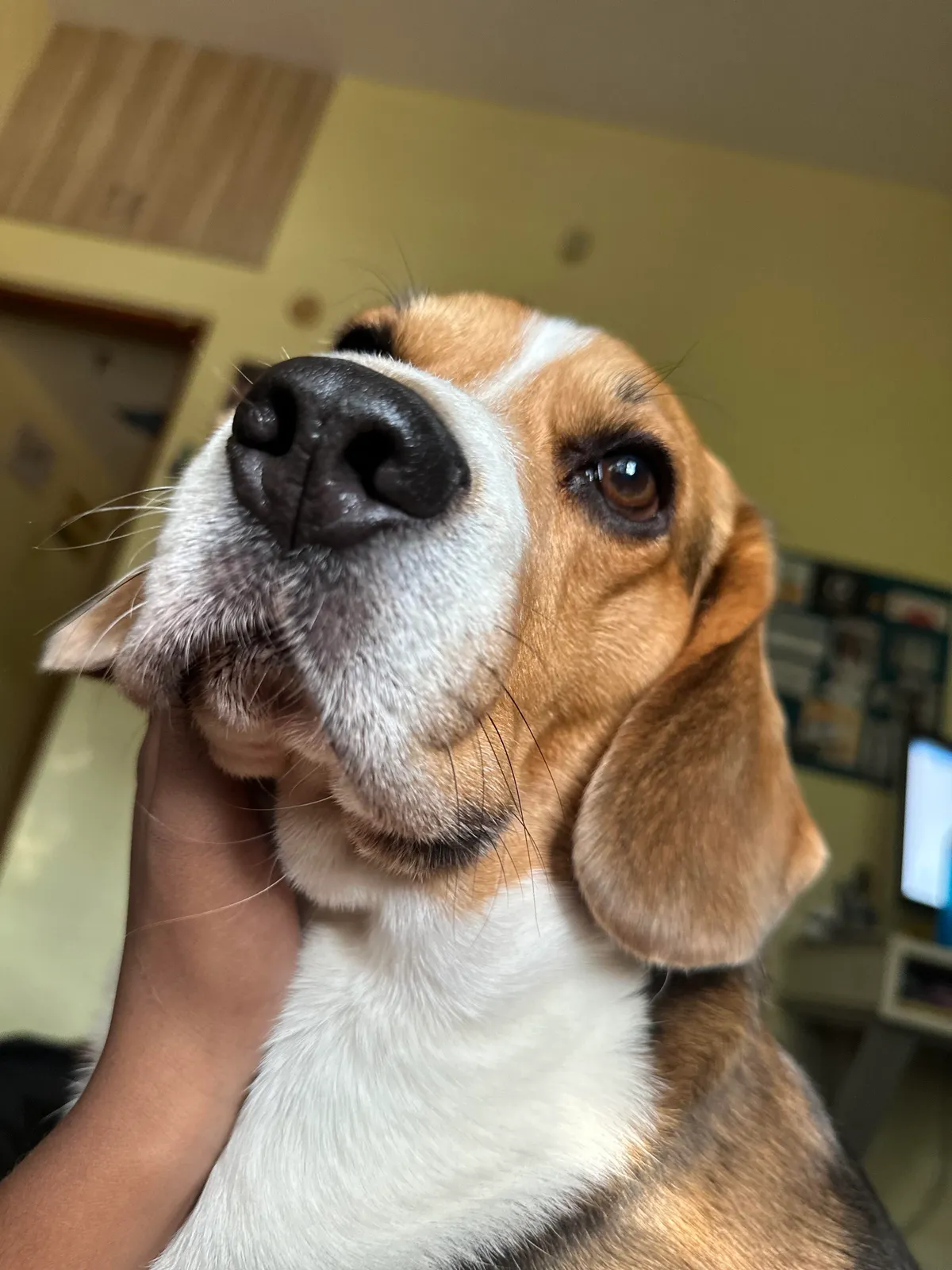
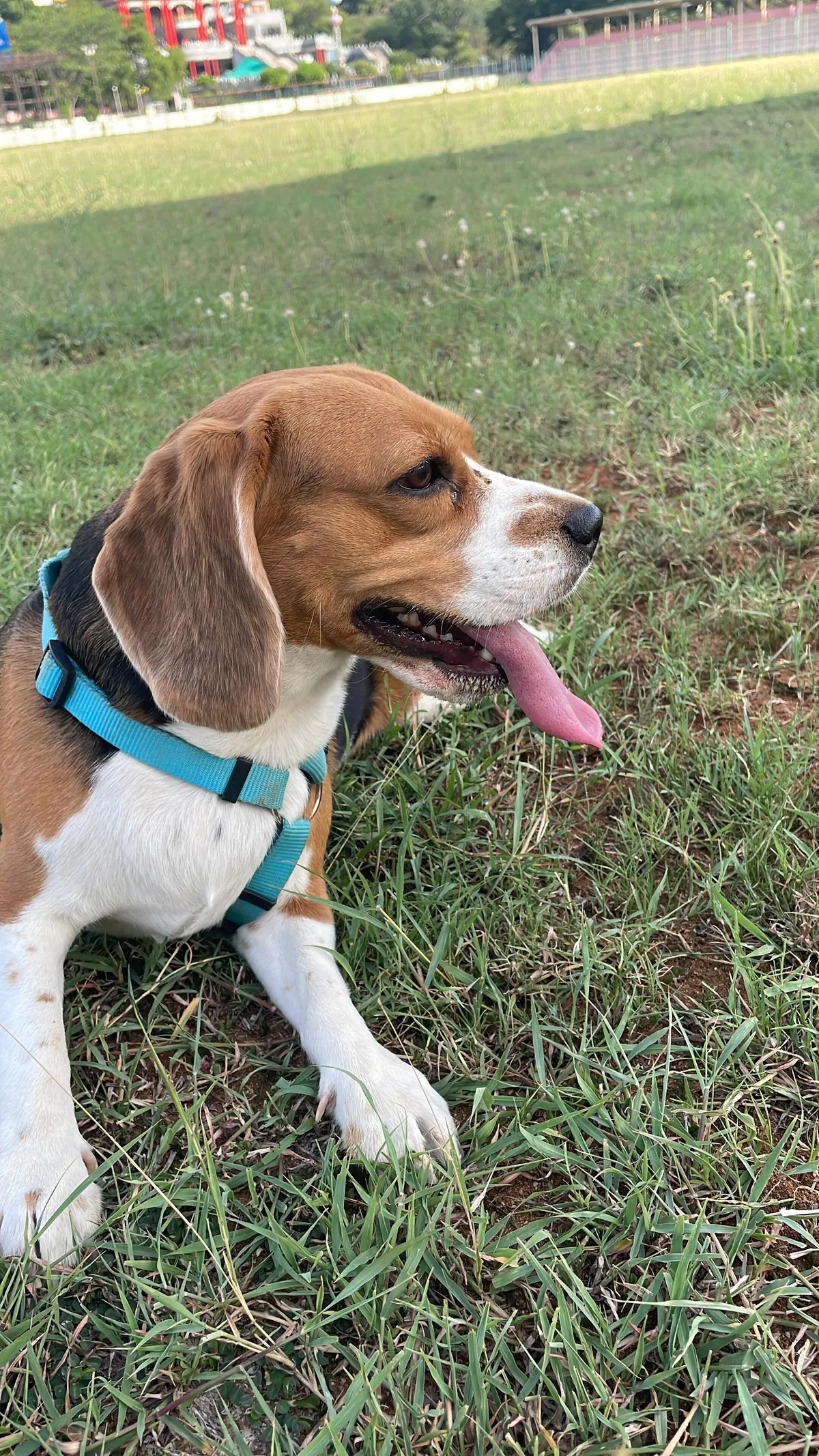
The Beagle is a compact, solid, athletic hound with a medium-length muzzle, square muzzle, and a characteristic domed skull. Their large, brown or hazel eyes have a gentle, pleading expression. The long, soft ears frame the face and fall close to the cheeks. The coat is short, dense, and hard-textured — weather-resistant and low-maintenance. Classic colouration is tricolor (black, tan, and white) with a distinctive white-tipped tail that was bred to be visible above ground cover when hunting. Lemon and white, red and white, and chocolate tricolor also occur.
Grooming
Low
Shedding
Moderate
Brushing
1-2x-Weekly
Bathing
Every-6-8-Weeks
Coat Colors
Recognized By
Source: wikimedia
Temperament & Personality
Beagles are genuinely merry dogs — curious, friendly, and seemingly perpetually happy. They are pack animals by instinct and enjoy the company of other dogs, children, and people. Their strongest personality trait, for better or worse, is their nose: when a Beagle catches an interesting scent, the brain switches to tracking mode and everything else — including your recall command — becomes irrelevant. This olfactory obsession is their most significant training challenge. They are not well-suited to off-lead exercise in unfenced areas. They bay and howl — a melodic hound voice that can be magnificent in the countryside and insufferable in a flat.
Personality Scores
Adaptability
4/5Attention Need
3/5Friendliness
5/5Playfulness
5/5Protectiveness
1/5Living Profile
Ideal Space
House-Small-Garden
Daily Exercise
40 to 60 min/day
Ideal Weather
5°C to 30°C
Cognitive Benchmarks
Adaptability
40%
Attention
30%
Playfulness
50%
Communication Style
Stress Signals
excessive howling, destructive chewing, digging, escape attempts, pacing
Care & Wellness
Professional Care Protocol
- •Beagles need 1–2 hours of daily exercise, though all outdoor exercise should be in a securely fenced area — their nose will override any recall training when an interesting scent presents itself. Mental stimulation through nose work and scent games is particularly fulfilling for this breed. The short coat needs minimal grooming — weekly brushing and a bath monthly. Ears should be checked and cleaned weekly as the long, floppy ears create warm, moist conditions prone to infections. Weight management is critical; Beagles are notoriously food-motivated and will eat until they are unwell if food is available.
Nutrition Notes
Beagles are legendary counter-surfers and food thieves — secure all food. Very obesity-prone. Strict portion control, no table scraps. The breed was used in obesity research specifically because of their insatiable appetite.
Vaccination Schedule
Vaccination Schedule
Senior Care
Epilepsy is breed-predisposed — usually manageable with medication. Intervertebral disc disease (IVDD) from age 8+. Hypothyroidism common; annual thyroid panels. Maintain weight control strictly — senior Beagles gain very easily.
Wellbeing Activities
Nutrition & Sustenance
Daily Calories (Adult)
900 kcal
Daily Calories (Young)
700 kcal
Recommended Foods
Foods to Avoid
Health Overview
Beagles are generally robust and healthy. Epilepsy occurs at elevated rates in the breed. Hypothyroidism is common. Intervertebral disc disease affects some lines. Cherry eye and glaucoma are seen. A condition called "Funny Puppy" (Musladin-Leuke Syndrome, or MLS) is a genetic disorder unique to Beagles causing joint and skin abnormalities; DNA testing is available. Obesity is the most common preventable health issue.
Common Conditions
Price Estimates
Pricing Guide
Average estimates as of 2025
One of the most affordable popular breeds. High availability in India. Former laboratory rescue Beagles available for adoption in many countries (Beagle Freedom Project).
Purchase Price
$600 to $1,500
Adoption Fee
$50 to $350
Data from 2025
Fun Facts
Snoopy from Charles Schulz's Peanuts comic strip is a Beagle — reportedly inspired by Schulz's own childhood dog, Spike, who was actually a pointer-mix.
NASA's lunar modules for the Apollo programme were named after dog breeds — Eagle (the famous first lunar module) was partly inspired by the Beagle's reputation as a keen explorer.
Beagles are the most commonly used dog in laboratory research globally, valued for their docility, small size, and even temperament — a legacy that has made the breed a focal point of animal testing campaigns.
The US Department of Agriculture's "Beagle Brigade" detects agricultural products at airports across the country; Beagles are chosen for their exceptional nose, non-threatening appearance, and ability to work calmly around large crowds.
Charles Darwin's famous research voyage on HMS Beagle was NOT named after the dog breed — the ship was named after the vessel HMS Beagle, though the breed name has the same etymological root.