

American Pit Bull Terrier
The American Pit Bull Terrier is one of the most misunderstood and controversial dog breeds in the world.
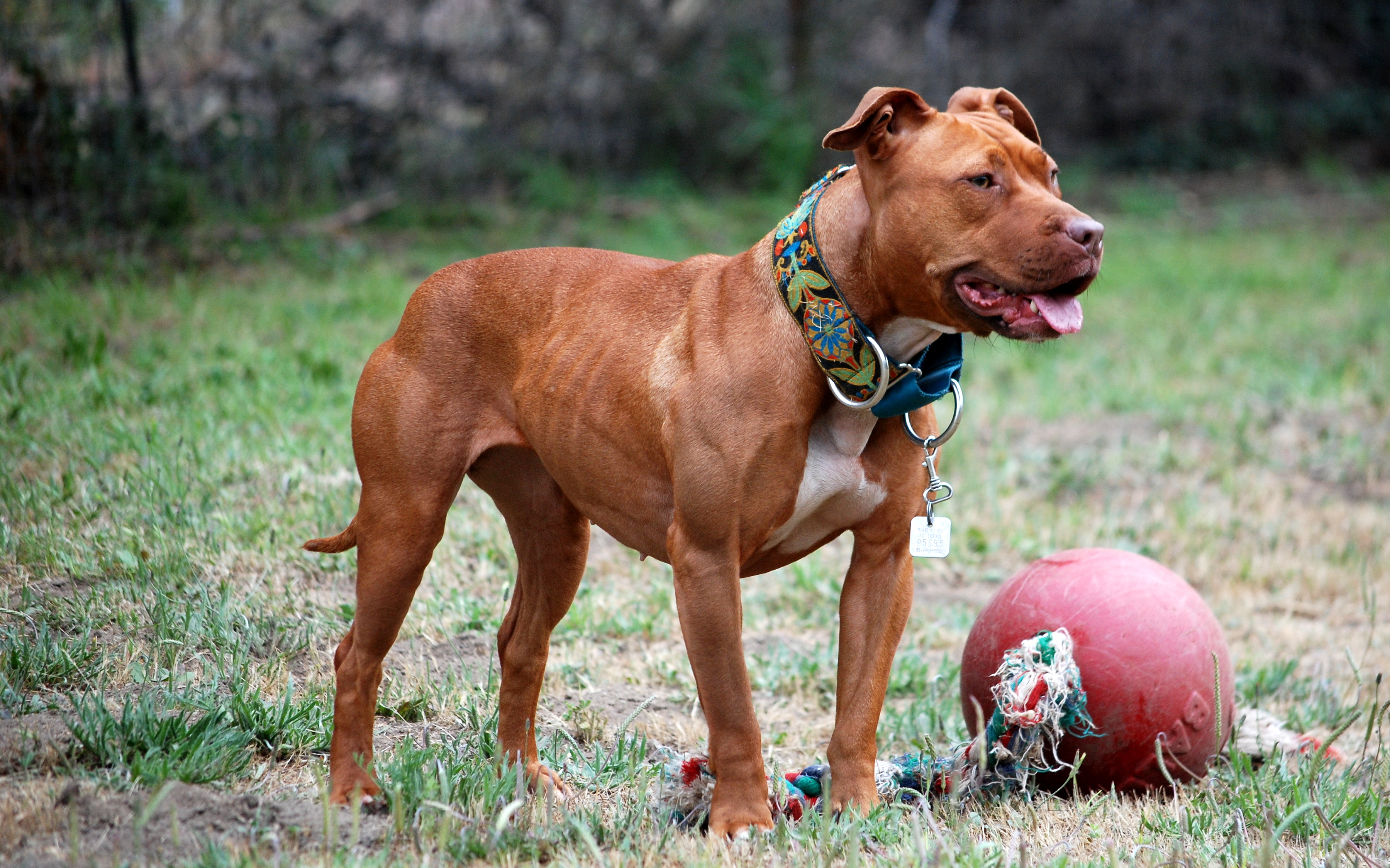
Photo: Wikimedia Commons
Origin
United States
Lifespan
8–16 years
Weight
14–27 kg (30–60 lbs)
Height
43–53 cm (17–21 in)
Exercise
40 to 60 min/day
Diet
Omnivore — high-quality large-to-medium breed food with adequate protein for the muscular build.
Taxonomic Hierarchy
Kingdom
Animalia
Phylum
Chordata
Class
Mammalia
Order
Carnivora
Family
Canidae
Genus
Canis
The Story
The American Pit Bull Terrier is one of the most misunderstood and controversial dog breeds in the world. Descended from Bull and Terrier dogs bred in 19th-century Britain for bull-baiting and later dog fighting, the APBT was brought to the USA where it became a working farm dog, catch dog, and family companion. The breed's historical selection for human-friendliness (handlers needed to reach into the pit during fights) produced a dog that is characteristically affectionate and people-oriented. However, historical selection also produced elevated dog-aggression. Breed-specific legislation (BSL) banning or restricting "Pit Bull type" dogs exists in many countries including India (DAHD restriction 2024), the UK, and multiple US municipalities.
Also Known As
Quick Facts
Discover which pets match your lifestyle
Physical Profile
Source: wikimedia
A medium-sized, well-muscled, athletic dog with a broad, flat head, powerful jaw, and a short, smooth, close coat. Any colour except merle is accepted. The overall impression is of athletic power and confidence.
Grooming
Low
Shedding
Moderate
Brushing
1x-Weekly
Bathing
Every-6-8-Weeks
Coat Colors
Recognized By
Source: wikimedia
Temperament & Personality
Loyal, energetic, and people-oriented — the APBT is characteristically affectionate with its human family, including children. However, dog-aggression (not human-aggression) is an elevated breed characteristic that requires management. Experienced ownership, early socialisation, and consistent training are non-negotiable.
Personality Scores
Adaptability
3/5Attention Need
4/5Friendliness
4/5Playfulness
4/5Protectiveness
3/5Living Profile
Ideal Space
House-Small-Garden
Daily Exercise
40 to 60 min/day
Ideal Weather
5°C to 30°C
Cognitive Benchmarks
Adaptability
30%
Attention
40%
Playfulness
40%
Communication Style
Stress Signals
aggression towards other dogs, destructive behaviour, excessive energy, pacing, resource guarding
Care & Wellness
Professional Care Protocol
- •Experienced owners only. 2+ hours vigorous exercise daily. Strong, secure fencing. Early socialisation and lifelong obedience training. Note: Subject to breed-specific legislation in India, UK, and many jurisdictions — check local laws before acquiring.
Nutrition Notes
Muscular breed — high-quality protein essential. Skin allergies very common — limited-ingredient or hypoallergenic diets often needed. Mange (demodex) predisposition. Omega-3/6.
Vaccination Schedule
Vaccination Schedule
Senior Care
Hip dysplasia. Skin allergies (atopic dermatitis — very high incidence). Demodex mange. Cruciate ligament tears. Heart disease. Cerebellar ataxia. NOT recognized by AKC (UKC registered). BSL-restricted in many jurisdictions. "Nanny dog" historical reputation. Sergeant Stubby (WWI hero) was an APBT. 12-14 years.
Wellbeing Activities
Nutrition & Sustenance
Daily Calories (Adult)
1200 kcal
Daily Calories (Young)
800 kcal
Recommended Foods
Foods to Avoid
Health Overview
Hip dysplasia. Skin allergies and atopic dermatitis — elevated in the breed. Hypothyroidism. Heart disease. Cerebellar ataxia in some lines. Generally healthy but BSL-related abandonment has created welfare issues in shelter populations.
Common Conditions
Price Estimates
Pricing Guide
Average estimates as of 2025
BSL-restricted in many areas — check local laws. Very often in shelters. UKC registered, not AKC. India: check state BSL. Skin allergy treatment is major ongoing cost.
Purchase Price
$500 to $2,000
Adoption Fee
$50 to $350
Data from 2025
Fun Facts
The APBT holds the rank of "Nanny Dog" in American folklore — a term describing the breed's historical reputation for being exceptionally gentle and patient with children in 19th and early 20th-century American farming households. While this reputation was real, the term was a product of a specific historical context of experienced ownership.
Sergeant Stubby — the most decorated war dog in American history, who served in WWI with the 102nd Infantry and was promoted to Sergeant — was a Pit Bull type dog. He is the most famous American dog of WWI.


