

Anatolian Shepherd
The Anatolian Shepherd is one of the most ancient and capable livestock guardian dogs in the world, developed over thousands of years on the Anatolian Plateau of Turkey to protect flocks of sheep from wolves, bears, and jackals without human direction.
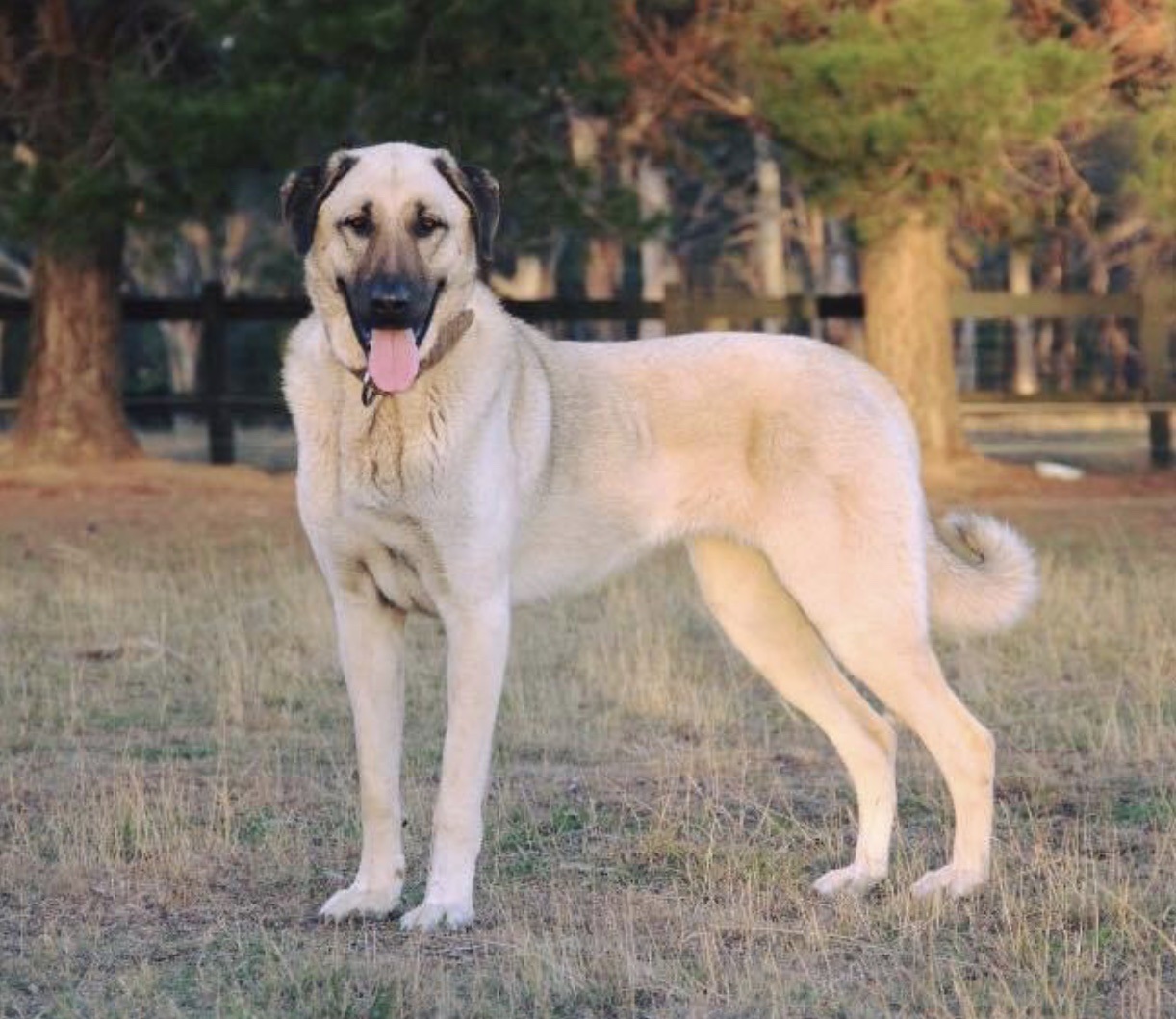
Photo: Wikimedia Commons
Origin
Turkey
Lifespan
11–13 years
Weight
41–68 kg (90–150 lbs)
Height
71–81 cm (28–32 in)
Exercise
30 to 45 min/day
Diet
Omnivore — large breed quality formula; do not overfeed; they are efficient metabolically
Taxonomic Hierarchy
Kingdom
Animalia
Phylum
Chordata
Class
Mammalia
Order
Carnivora
Family
Canidae
Genus
Canis
The Story
The Anatolian Shepherd is one of the most ancient and capable livestock guardian dogs in the world, developed over thousands of years on the Anatolian Plateau of Turkey to protect flocks of sheep from wolves, bears, and jackals without human direction. Entirely self-sufficient and independent, the Anatolian works by living with the flock — bonding with the sheep and treating them as its own family to protect. They are not herding dogs; they do not move livestock. They are guardian dogs that place themselves between the flock and any threat.
Also Known As
Quick Facts
Discover which pets match your lifestyle
Physical Profile
Source: wikimedia
The Anatolian is a large, powerful, agile dog with a robust bone structure and dense double coat. The classic appearance is fawn with a black mask, but all colours occur. The thick double coat sheds heavily twice yearly. The tail is carried curled over the back when alert. The expression is calm and watchful.
Grooming
Moderate
Shedding
High
Brushing
1-2x-Weekly
Bathing
Every-6-8-Weeks
Coat Colors
Recognized By
Source: wikimedia
Temperament & Personality
Anatolians are not pets in any conventional sense — they are working livestock guardian dogs that happen to sometimes live in suburban environments. They are deeply independent, naturally suspicious of strangers, and protective of their perceived territory. They require experienced, knowledgeable owners who understand livestock guardian dog psychology.
Personality Scores
Adaptability
2/5Attention Need
1/5Friendliness
2/5Playfulness
2/5Protectiveness
5/5Living Profile
Ideal Space
Rural-Farm
Daily Exercise
30 to 45 min/day
Ideal Weather
-15°C to 35°C
Cognitive Benchmarks
Adaptability
20%
Attention
10%
Playfulness
20%
Communication Style
Stress Signals
extreme guarding, aggression towards strangers/animals, barking, roaming, escape attempts
Care & Wellness
Professional Care Protocol
- •Moderate exercise in a large, securely fenced area. The coat sheds heavily and needs regular brushing during seasonal shedding. Professional training is strongly recommended. They require a large property with substantial fencing — they will patrol and protect their territory actively.
Nutrition Notes
Giant breed puppy formula. Bloat risk. Surprisingly moderate eater for size (Turkish harsh-climate adaptation). Entropion. Joint supplements essential.
Vaccination Schedule
Vaccination Schedule
Senior Care
Hip dysplasia. Entropion. Bloat. Hypothyroidism. Cancer rates lower than many giant breeds. Turkish livestock guardian — protects flocks from wolves, bears, jackals. Independent decision-maker (does not wait for human commands). Handles heat far better than European giant breeds. 11-13 years — long-lived for a giant.
Wellbeing Activities
Nutrition & Sustenance
Daily Calories (Adult)
2000 kcal
Daily Calories (Young)
1600 kcal
Recommended Foods
Foods to Avoid
Health Overview
Hip and elbow dysplasia occur. Hypothyroidism is seen. Entropion affects some individuals. Generally a robust, healthy breed adapted to harsh conditions.
Common Conditions
Price Estimates
Pricing Guide
Average estimates as of 2025
Good heat tolerance (Turkish origin). NOT a pet — livestock guardian. India: climate-appropriate for working role but not a pet breed.
Purchase Price
$800 to $2,000
Adoption Fee
$100 to $500
Data from 2025
Fun Facts
The Anatolian Shepherd was used in a landmark Namibian conservation programme — by providing farmers with Anatolian puppies to bond with their livestock herds, the Cheetah Conservation Fund reduced livestock predation by 80–100%.
Anatolians have been working as livestock guardians in Turkey for an estimated 6,000 years — essentially unchanged from their ancient form.
These dogs can run down a wolf over distance — they are far faster and more athletic than their bulk might suggest.


