

American Eskimo Dog
The American Eskimo Dog has nothing to do with Eskimos — it is a North American development of the German Spitz, brought to the US by German immigrants in the late 19th and early 20th centuries.
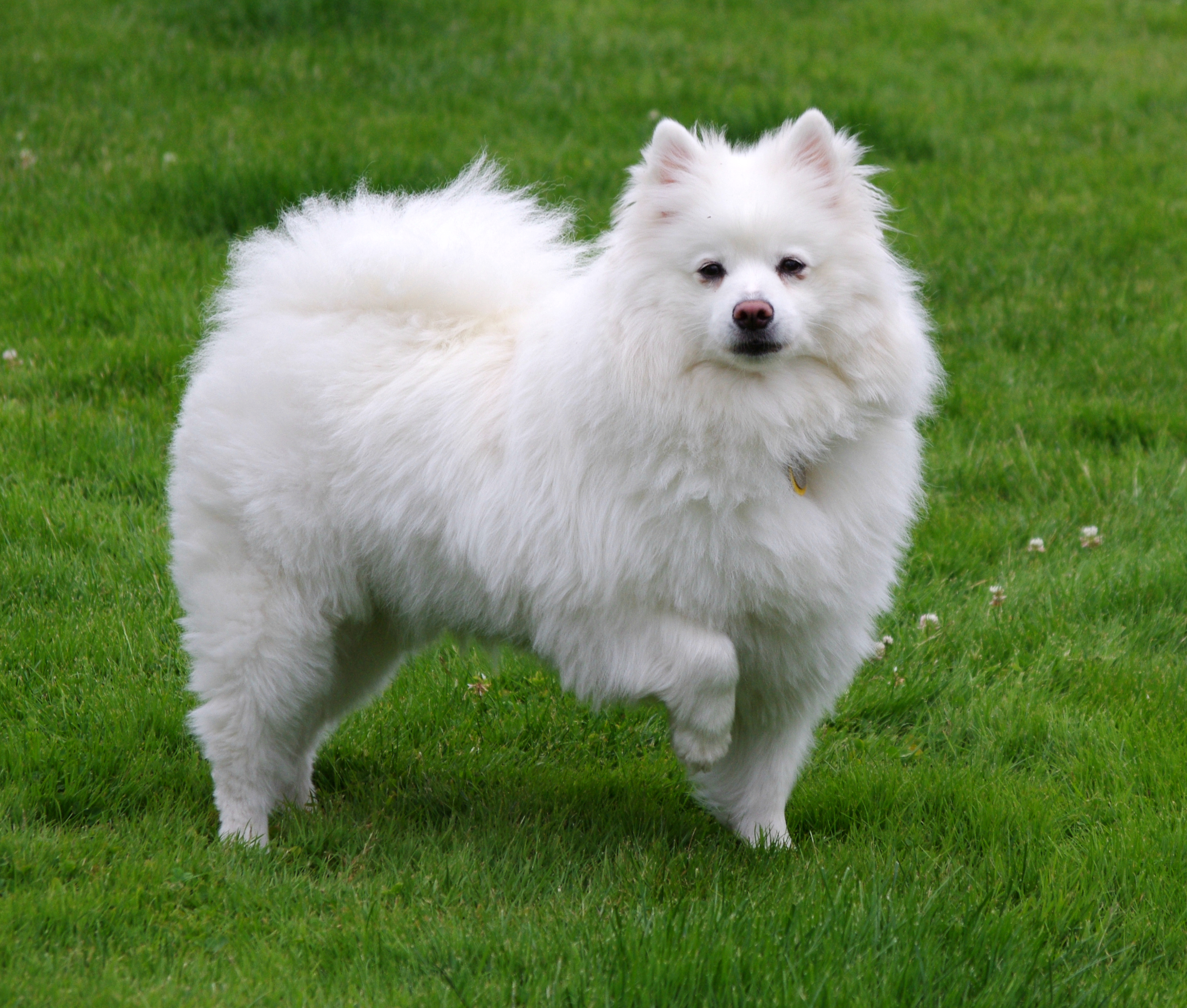
Photo: Wikimedia Commons
Origin
United States
Lifespan
13–15 years
Weight
3–16 kg (7–35 lbs — three sizes)
Height
23–48 cm (9–19 in)
Exercise
30 to 45 min/day
Diet
Omnivore — quality size-appropriate kibble
Taxonomic Hierarchy
Kingdom
Animalia
Phylum
Chordata
Class
Mammalia
Order
Carnivora
Family
Canidae
Genus
Canis
The Story
The American Eskimo Dog has nothing to do with Eskimos — it is a North American development of the German Spitz, brought to the US by German immigrants in the late 19th and early 20th centuries. The breed's name was changed from "German Spitz" to "American Eskimo Dog" during World War I due to anti-German sentiment. They became famous as circus performing dogs — their pure white appearance, high intelligence, and ease of training made them popular performers. The Ringling Brothers Circus featured American Eskimo Dogs extensively in the early 20th century, where they walked tightropes and performed complex tricks.
Also Known As
Quick Facts
Discover which pets match your lifestyle
Physical Profile
Source: wikimedia
The American Eskimo Dog is a pure white, fluffy spitz with erect ears, a black nose and lips, and a plumed tail curled over the back. Three size varieties are recognised: toy (23–30 cm), miniature (30–38 cm), and standard (38–48 cm). The dense double coat is always white or white with biscuit-cream markings. The expression is keen, intelligent, and alert.
Grooming
Moderate
Shedding
High
Brushing
3-4x-Weekly
Bathing
Every-6-8-Weeks
Coat Colors
Recognized By
Source: wikimedia
Temperament & Personality
Eskies are highly intelligent, alert, and trainable — among the most trainable of all spitz breeds, which is typically not a group noted for biddability. They were circus dogs for a reason. They are friendly with their family and playful, though can be reserved with strangers. They are vocal and alert, making them good watchdogs. Their intelligence means they need mental stimulation.
Personality Scores
Adaptability
4/5Attention Need
4/5Friendliness
4/5Playfulness
5/5Protectiveness
3/5Living Profile
Ideal Space
Apartment
Daily Exercise
30 to 45 min/day
Ideal Weather
-10°C to 22°C
Cognitive Benchmarks
Adaptability
40%
Attention
40%
Playfulness
50%
Communication Style
Stress Signals
excessive barking, spinning, destructive behaviour, separation anxiety, pacing
Care & Wellness
Professional Care Protocol
- •Moderate daily exercise of 30–45 minutes. The dense white coat requires brushing 2–3 times weekly and sheds heavily. Dental care is important. Training and mental enrichment are particularly important for this intelligent breed.
Nutrition Notes
Obesity-prone despite active nature. Strict portions. Dental disease common in smaller sizes. Omega-3 for coat health. PRA in some lines.
Vaccination Schedule
Vaccination Schedule
Senior Care
PRA. Luxating patella. Hip dysplasia (in standard size). Legg-Calve-Perthes (miniature/toy sizes). Diabetes mellitus. Despite the name, a German Spitz derivative — renamed during WWI anti-German sentiment. Three sizes: toy, miniature, standard. 13-15 years.
Wellbeing Activities
Nutrition & Sustenance
Daily Calories (Adult)
650 kcal
Daily Calories (Young)
400 kcal
Recommended Foods
Foods to Avoid
Health Overview
Progressive retinal atrophy occurs. Hip dysplasia is occasionally seen. Patellar luxation is common in the toy variety. Diabetes mellitus occurs at elevated rates in some lines. Generally a healthy, long-lived breed.
Common Conditions
Price Estimates
Pricing Guide
Average estimates as of 2025
Not an actual Eskimo dog — German Spitz renamed. Pure white only. India: not recommended (heat sensitivity).
Purchase Price
$800 to $2,000
Adoption Fee
$100 to $400
Data from 2025
Fun Facts
American Eskimo Dogs were famous circus performers in the early 20th century — one named Stout's Pal Pierre became the first dog to walk a tightrope, performing with the Barnum and Bailey Circus.
The name change from "German Spitz" to "American Eskimo Dog" during World War I was purely political — the breed has no historical connection to Inuit or Arctic peoples.
American Eskimo Dogs are among the most trainable of all spitz breeds — a group generally noted for independence rather than obedience. Their circus heritage selected intensively for biddability and problem-solving.


